A vehicle driven daily and parked outdoors faces a different maintenance reality than one in managed storage. Most humidity advice online addresses the storage scenario. Protecting a vehicle outdoors requires specific protective treatments applied proactively.
Why Outdoor, Daily-Use Vehicles Need a Different Approach
A stored vehicle’s risks come from inactivity. A daily-driven, outdoor-parked vehicle’s risks come from constant exposure, sun, rain, humidity, salt air, cycling continuously rather than accumulating during one dormant period.
Key Takeaways
Ceramic coating and paint protection film address different, complementary risks. Interior UV protectants prevent damage that accumulates gradually and often goes unnoticed until advanced. Undercarriage treatment matters specifically for vehicles regularly exposed to standing water or coastal roads.
Ceramic Coating vs. Paint Protection Film: What Each Actually Does
Ceramic coating creates a hydrophobic, UV-resistant layer that makes paint easier to clean and more resistant to chemical staining, but it doesn’t meaningfully protect against physical damage like rock chips. Paint protection film provides genuine physical protection in high-impact areas, front bumper, hood, mirrors, but doesn’t offer the same UV and chemical resistance. For a vehicle exposed to both sun and daily driving, they’re complementary, film where impact risk is highest, coating over the full exterior.
What Skipping Undercarriage Treatment Actually Costs
Corrosion that starts on an untreated undercarriage doesn’t stay contained to unseen components. Left long enough, it can reach brake lines, suspension mounting points, and structural elements, turning a preventable coating application into a repair bill measured in thousands rather than the far smaller cost of periodic reapplication. This is the concrete version of an abstract warning: undercarriage neglect doesn’t just risk rust. It risks components that affect safety and handling.
Interior UV Protection: The Damage That Accumulates Silently
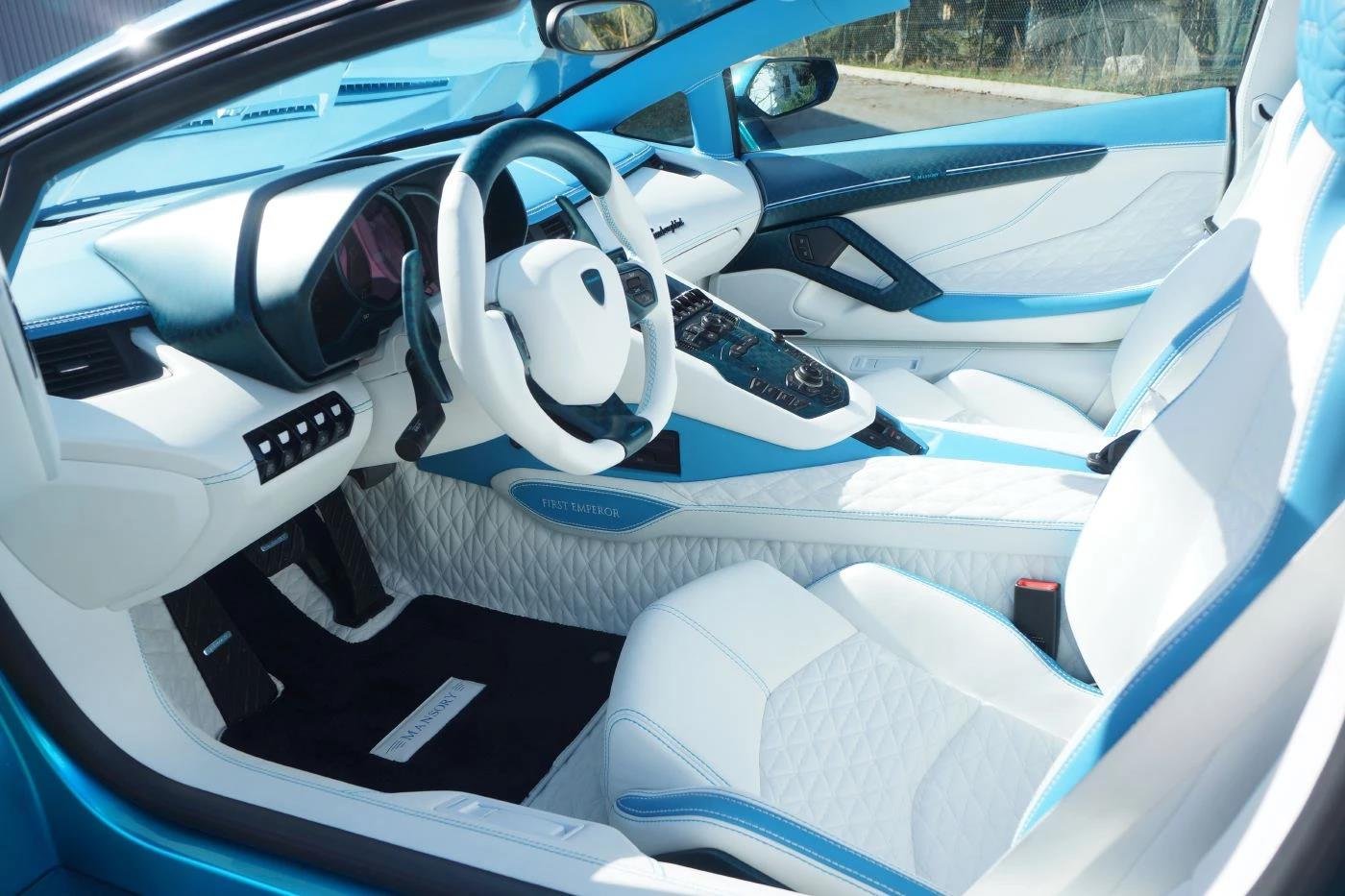
Dashboard and trim materials degrade from UV exposure gradually. In Miami’s sun intensity specifically, visible fading on unprotected dark interior surfaces can begin appearing within twelve to eighteen months of consistent outdoor exposure, faster than most owners expect, and by the time it’s visible, some of the material degradation underneath is already advanced. UV-blocking window film and interior-specific protectants applied proactively address this before that timeline starts working against the vehicle.
Undercarriage Protection for Regularly Driven Vehicles
A vehicle regularly driven on coastal roads or through standing water after Miami’s frequent rain faces undercarriage corrosion risk a stored vehicle doesn’t experience the same way. Rust-inhibiting coating, reapplied periodically, addresses this specifically, and it’s a treatment most owners overlook while focusing protection efforts entirely on visible paint.
Where Owners Sometimes Over-Apply Protection
Not every surface benefits equally from every treatment. Applying ceramic coating to already well-protected factory-finished trim pieces, or layering multiple redundant sealants on the same panel, adds cost without adding proportional protection. The useful approach targets treatments to where exposure and risk are actually highest, exterior paint, high-impact areas, undercarriage, rather than applying every available product everywhere out of general caution.
How to Verify a Protective Treatment Was Actually Done Correctly
A properly applied ceramic coating beads water uniformly across the entire treated surface immediately after application. Uneven beading, or areas where water sheets rather than beads, can indicate inconsistent application or insufficient paint preparation beforehand. For paint protection film, checking edges for clean adhesion with no visible lifting within the first few weeks catches an installation issue before it allows moisture underneath later.
A Practical Maintenance Rhythm for Outdoor, Daily-Use Vehicles
Rinsing salt residue after coastal driving rather than letting it sit, reapplying ceramic coating on its manufacturer-recommended cycle, and inspecting film edges periodically for lifting are the recurring habits that keep one-time treatments actually effective over time.
Weatherproof Care Solutions at a Glance
- Ceramic coating and paint protection film address different risks and work best together
- Interior UV damage can begin appearing within twelve to eighteen months of unprotected exposure in Miami’s sun
- Untreated undercarriage corrosion can eventually reach safety-relevant components, not just cosmetic surfaces
- Applying every treatment everywhere adds cost without proportional benefit. Target treatments to actual exposure risk
- Uniform water beading and clean film edges are practical ways to verify correct application
Frequently Asked Questions About Luxury Car Care in Miami’s Climate
1. Is ceramic coating enough to fully protect a car’s exterior in Miami?
Not entirely on its own. It protects against UV and chemical staining well but doesn’t prevent physical damage like rock chips, which is why it’s often paired with paint protection film in high-impact areas.
2. How quickly does interior UV damage actually show up in Miami’s climate?
Visible fading on unprotected dark interior surfaces can begin within twelve to eighteen months of consistent outdoor exposure, faster than many owners expect.
3. Does a car really need undercarriage treatment if it’s not driven near the ocean?
Standing water after rain, common throughout Miami, creates corrosion risk beyond direct coastal exposure, and untreated corrosion can eventually affect safety-relevant components, not just cosmetic ones.
4. How can I tell if a ceramic coating was applied correctly?
Water should bead uniformly across the entire treated surface immediately after application. Uneven beading can indicate inconsistent application or insufficient prep work.
Protecting a Vehicle That’s Actually Being Used
A vehicle in daily use and parked outdoors needs proactive protective treatments matched to constant exposure, targeted to where risk is actually highest rather than applied everywhere indiscriminately. Detailing coordination that applies and maintains these treatments correctly, alongside broader vehicle management and documentation practices that support long-term value, keeps an actively driven vehicle protected against Miami’s conditions year-round. For vehicles that spend part of the year in storage rather than daily use, climate considerations shift accordingly.
Thank you for reading! Don’t miss out—Subscribe to our newsletter for more updates!