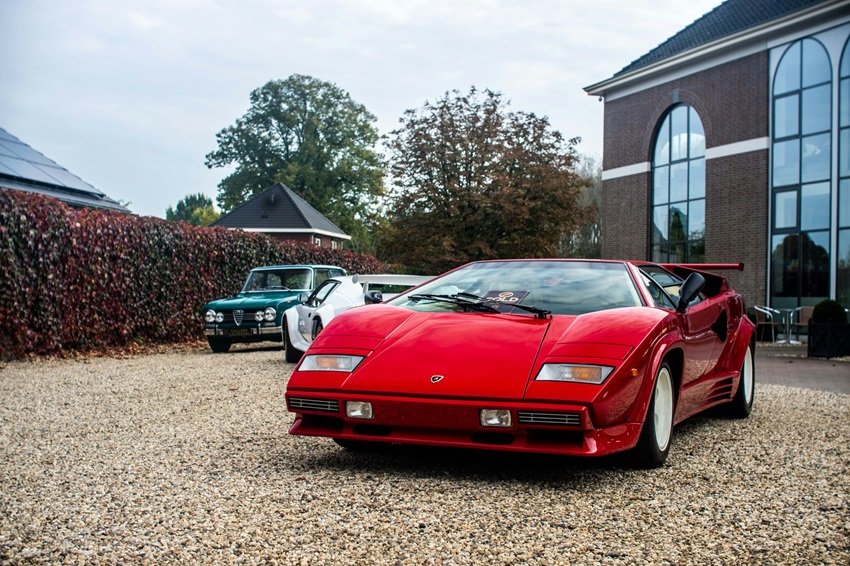
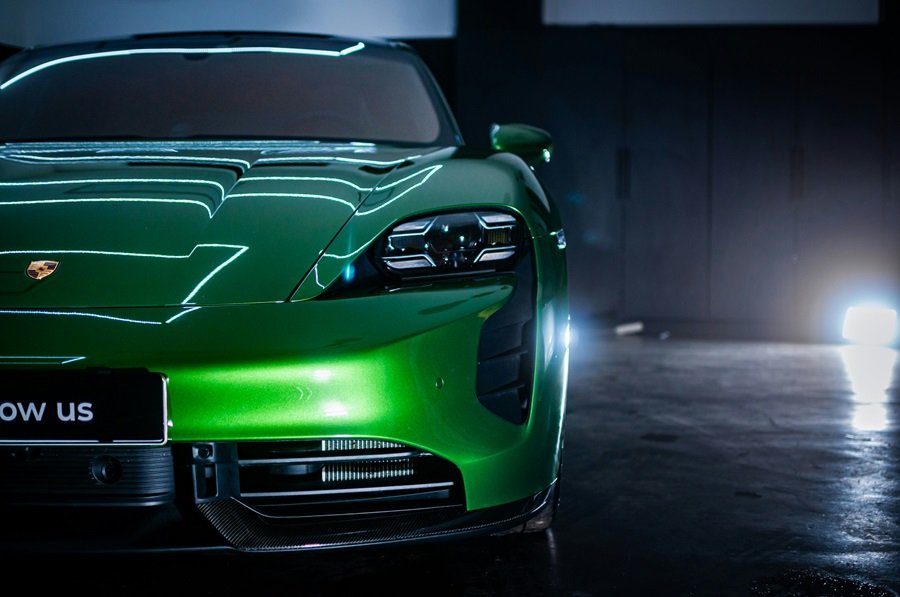
A standard luxury car and a rare, one-of-a-kind vehicle can sit in the same garage and still have completely different storage requirements. The difference isn’t the square footage. It’s what happens if something goes wrong. A dent on a common luxury sedan is a repair. A dent on a numbers-matching classic or a low-production exotic can be a value event, sometimes an irreversible one if the right parts or expertise aren’t available.
Rare car storage is the practice of matching storage protocols, documentation, and insurance coordination to what a specific vehicle would actually lose if it were damaged, degraded, or improperly documented, rather than applying the same generic care to every car in a collection.
What Makes Rare Car Storage Different?
Rare car storage differs from general luxury storage in three specific ways: documentation requirements tied to provenance and value, insurance structures built around agreed value rather than standard coverage, and handling protocols that account for parts scarcity if repair ever becomes necessary. A late-model luxury car with parts on a dealer shelf carries different risk than a low-production vehicle where a damaged component might take months to source, or might not be reproducible at all.
Key Takeaways
Rarity changes what “adequate” storage means, since damage or deterioration to an irreplaceable vehicle carries consequences a repairable one doesn’t. Insurance for rare and collector vehicles typically runs on agreed value policies, which usually require documented condition and storage records to support a claim. Multi-vehicle collections need per-vehicle protocols, not one blanket standard, since a 1960s classic and a modern hypercar can have entirely different material and mechanical needs.
Why Rarity Changes the Stakes
The core issue with treating rare vehicles like any other luxury car is irreplaceability. A common exotic can be repaired using parts sourced from a dealer network or a specialist supplier within days or weeks. A vehicle with limited production numbers, discontinued components, or unique period-correct materials may face a repair timeline measured in months, or a repair that compromises originality and value even when technically successful. That gap is why storage decisions for a rare vehicle should start from what’s actually at risk, not from a generic checklist built for luxury cars broadly.
How to Determine Your Vehicle’s Storage Tier
Not every high-value vehicle needs the same level of protocol, and figuring out where a specific car falls doesn’t require guesswork. Four factors are the practical indicators:
- Production numbers. A vehicle built in the dozens or low hundreds carries different parts and expertise risk than one built in the thousands, even at a similar price point.
- Parts availability. If a component would need to be sourced from a specialist, fabricated, or imported rather than ordered from a standard supplier, that’s a signal the vehicle warrants closer handling protocols.
- Insured value relative to replacement. A vehicle insured well above what a similar-looking replacement would cost usually reflects rarity or provenance the insurer has already recognized, which is worth matching with storage documentation.
- Historical or competition provenance. Vehicles with documented racing history, notable prior ownership, or awards carry value tied to originality, where even a technically correct repair can affect authenticity and value.
A vehicle meeting two or more of these criteria generally justifies the documentation and handling approach described below, rather than standard luxury storage.
Insurance and Documentation Considerations

Agreed value insurance policies, common for collector and rare vehicles, generally set a fixed insured value in advance rather than relying on market depreciation at the time of a claim. These policies typically require supporting documentation: appraisals, provenance records, and often storage condition records showing the vehicle has been properly maintained and protected. A storage arrangement that doesn’t generate this kind of documentation can leave a gap between what an owner assumes their policy covers and what they can actually substantiate if a claim becomes necessary.
Managing a Multi-Vehicle Collection, Not Just One Car
Collectors, family offices, and corporate collections storing multiple vehicles face a different problem than a single-car owner: prioritization. Battery maintenance, tire rotation, and engine cycling take time, and a collection of six or eight vehicles can’t always receive daily attention to every car equally. A workable approach assigns priority based on value, rarity, and how long each vehicle has been inactive, rather than treating every vehicle in a collection identically regardless of what it actually is or how replaceable it would be if something went wrong.
What Changes for Vehicles With Unique Material or Mechanical Needs
Not every vehicle responds the same way to the same storage conditions. Older vehicles with period-correct leather, chrome, or paint can have different humidity sensitivities than a modern car built with contemporary materials engineered for durability. A one-size-fits-all climate setting across a mixed collection can be well-suited to some vehicles and marginal for others. Individualized attention, even something as simple as knowing which car in a collection needs closer humidity monitoring, is part of what separates rare vehicle storage from general luxury storage.
If Repair or Restoration Ever Becomes Necessary
Even with careful storage, damage or mechanical issues can happen, and how that situation is handled matters as much for a rare vehicle as prevention does. Because parts and expertise for rare or discontinued vehicles are often harder to source, coordinating repair or restoration through specialists who understand originality requirements, rather than a general repair shop, protects both the vehicle’s function and its documented value. Restoration and customization oversight that accounts for provenance and parts sourcing is a different service than routine repair coordination, and knowing which one a situation calls for before a problem occurs saves time when it matters most.
Rare Car Storage at a Glance
- Rarity changes what “adequate” storage means, since damage carries consequences beyond a standard repair
- Production numbers, parts availability, insured value, and provenance are the practical signals for determining storage tier
- Agreed value insurance policies typically require documented condition and storage records to support a claim
- Parts scarcity for rare or discontinued components can turn a routine repair into a months-long problem
- Multi-vehicle collections need prioritization protocols, not one blanket standard across every car
- Older or period-correct vehicles can have different material sensitivities than modern vehicles in the same collection
Frequently Asked Questions About Luxury Auto Storage in Miami
1. Why would a rare vehicle need different storage than a luxury car generally?
Because the consequence of damage or deterioration is different. A common luxury car can usually be repaired quickly with available parts. A rare or low-production vehicle may face significant delays or value loss if the same issue occurs, which changes how much preventive attention makes sense.
2. Is climate control necessary?
Yes, rare cars need controlled environments to prevent rust, mold, and interior damage.
3. Do insurance policies for rare vehicles actually require storage documentation?
Agreed value policies, common for collector vehicles, typically require supporting documentation including appraisals and often records showing the vehicle has been properly stored and maintained, so a lack of documentation can create a real gap at claim time.
4. How should a multi-vehicle collection prioritize care if resources are limited?
Generally by value, rarity, and length of inactivity, so the vehicles with the most at stake and the longest time sitting idle receive attention first, rather than spreading identical, limited attention evenly across every car regardless of its actual risk profile..
5. Is my car insured while in storage?
Most facilities have insurance, but owners should verify coverage details.
6. What happens if I need to transport my car?
Many services offer enclosed transport options for added protection.
7. What should happen if a rare vehicle needs repair after being in storage?
Coordinating the repair through specialists familiar with the vehicle’s originality and parts requirements, rather than a general shop, helps protect both function and documented value, particularly when components aren’t readily available.
8. How long can I store my car?
Storage can be short-term or long-term, depending on the collector’s needs.
9. Are storage facilities climate-controlled?
High-end rare car storage services always include climate control.
10. How does storage affect the value of a rare or vintage vehicle over time?
Storage conditions can directly affect originality, which is often the primary value driver for rare vehicles, by either preserving or degrading original paint, upholstery, and mechanical components. Documented, appropriate storage can also support provenance and insurance valuation, while poor storage conditions or undocumented handling can create gaps that raise questions during a future sale or claim.
Protecting What Can’t Be Replaced
Rare and one-of-a-kind vehicles carry a different kind of risk than luxury cars generally, and storage decisions should reflect that difference rather than treat every vehicle the same. On-site storage management from Andromeda Crown builds protocols around what a specific vehicle actually needs, including collections with multiple cars requiring different levels of attention. If you’re evaluating any storage provider, including this one, these are the questions worth asking before you commit. And if your storage need is tied to an extended absence rather than year-round care, that timing changes the calculus too.
Thank you for reading! If you enjoyed this post and want to stay updated on the latest in luxury cars, subscribe to our newsletter for exclusive insights, tips, and more. We’d love to hear your thoughts—please leave a comment below with your feedback on this post or let us know what topics you’d like us to cover in the future. Your input helps us create content that truly interests you!
Source
- Grand View Research – https://www.grandviewresearch.com/industry-analysis/luxury-car-market-report
- Fortune Business Insights – https://www.fortunebusinessinsights.com/luxury-car-market-104453
- GlobeNewswire – https://www.globenewswire.com/news-