Every fall, enclosed transport carriers start arriving across South Florida as seasonal residents head north and collectors prepare their cars for months of inactivity. A Ferrari leaving Brickell, a Porsche departing Fisher Island, a Bentley tucked away after the social season: all face the same reality. A vehicle that sits unused in Miami’s climate for weeks or months needs a different kind of attention than one parked overnight.
Seasonal car storage is on-site vehicle management for a defined period of owner absence, built around the specific risks that extended inactivity creates in a hot, humid, coastal environment: battery drain, tire flat-spotting, fuel degradation, and interior or finish damage from heat and moisture. Getting it right depends less on where the car sits than on what happens before, during, and after that absence.
What Is Seasonal Car Storage in Miami?
Seasonal car storage is on-site vehicle management tied to a defined window of owner absence, typically several weeks to a few months, rather than an open-ended parking arrangement. The distinction matters, because the window has a known start and end date, so storage can be planned around it, with preparation timed to the departure and readiness timed to the return. For collector and luxury vehicles, that planning covers battery health, tire condition, fluid stability, and interior protection: the specific points where Miami’s heat and humidity do the most damage during long stretches of inactivity.
Key Takeaways
Seasonal storage is a defined-window service, not year-round parking. The preparation and return steps matter as much as the storage period itself. The primary risks in Miami are environmental and mechanical (battery drain, flat-spotting, humidity damage), not just security. Storing a valuable vehicle at home without active management carries its own risks, including flood exposure and unmonitored deterioration. Andromeda Crown manages the process on-site, at the client’s own property, rather than operating a public storage facility.
Who Actually Needs Seasonal Storage
Not every absence calls for managed seasonal storage. A week away rarely creates conditions serious enough to matter. The calculation changes when an owner is gone long enough that a battery will drain unattended, tires will sit long enough to flat-spot, or a home garage will go unchecked through a full hurricane season. Seasonal residents who leave Miami for months at a time, owners with more vehicles than their garage can reasonably hold, and collectors preparing a car for a show after a long layoff all fall into this category.
Storing a vehicle at home during an extended absence carries risks that are easy to underestimate: garage flooding during storm season, no one to notice a slow leak or a dead battery until the owner returns, and, for higher-profile addresses, exposure to unauthorized access. None of these require anything to go dramatically wrong. They just require nobody to be watching for months at a time, which is the specific gap active management is built to close.
The Three Phases of Seasonal Storage
Treating seasonal storage as a single event misses where most preventable damage actually happens. It’s more useful to think of it as three distinct phases, each with its own risks and its own checklist.
1. Departure Preparation
What happens in the days before a vehicle sits idle determines most of what goes wrong later. A thorough wash and wax reduces the contaminants that etch into paint over time. A full fuel tank limits moisture buildup in the fuel system, and a stabilizer keeps that fuel from degrading before the next drive. Fresh oil prevents old contaminants from sitting against engine internals for months. Tires should be brought to the correct pressure to reduce the odds of flat-spotting, and the battery should be connected to a maintainer rather than simply disconnected, since a disconnected battery still self-discharges over a long absence.
2. Active-Season Management
This is where seasonal storage differs most from simply parking a car and leaving. During the absence, Andromeda Crown coordinates humidity and climate conditions at the storage location, generally targeting a stable range around 68 to 72°F and 50 to 55% relative humidity, since conditions outside that range are where paint oxidation, leather drying, and corrosion accelerate. Battery maintenance follows a set schedule rather than a one-time hookup, and engine cycling is arranged periodically so fluids keep circulating and seals don’t dry out. In South Florida, this phase often overlaps with hurricane season, so vehicles need a contingency plan for high-wind and flood risk, not just routine upkeep, a consideration generic “car storage” advice rarely addresses.
3. Return Readiness
A vehicle coming out of extended storage needs inspection before it’s driven hard, not just a cover removed. Battery, fluid, and tire condition should be checked, and the engine should idle briefly before the car is put back into regular use. Vehicles that skip this step are the ones most likely to surface a problem, such as a soft tire or a hesitant start, at an inconvenient moment. Schedule comprehensive post-storage mechanical checkups and fluid inspections via our mechanic shops selection and management program.
Why Miami’s Climate Raises the Stakes
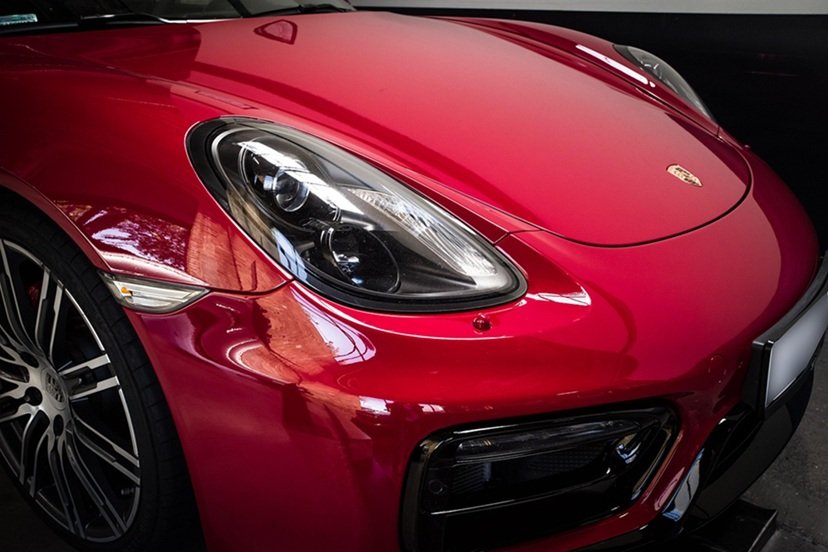
Heat, humidity, and salt air don’t just make Miami uncomfortable for people. They actively work against a vehicle that isn’t moving. Humidity above the 50 to 55% range accelerates corrosion on exposed metal and encourages mold in interior materials. Sustained heat accelerates the breakdown of rubber seals and gaskets well before a car’s mileage would suggest it. Salt air compounds both, particularly for vehicles stored anywhere near the coast. A car that would tolerate a few weeks of neglect in a dry, temperate climate can develop real problems in Miami within the same window, which is why the departure and return steps above aren’t optional extras. They’re the core of what makes seasonal storage different from ordinary parking.
What Influences the Cost
Seasonal storage pricing generally scales with the level of active management involved, not just the space itself. A defined-window arrangement with scheduled battery maintenance, periodic engine cycling, and hurricane contingency planning represents more ongoing labor than passive parking, and the investment reflects that. Vehicle value and insurance requirements also factor in, since higher-value collector cars typically warrant more frequent checks and more conservative environmental targets. Owners considering the cost should weigh it against the alternative: the depreciation and repair risk that comes from a vehicle sitting unmonitored for months.
Seasonal Storage at a Glance
- Seasonal storage is tied to a defined absence window, not an open-ended arrangement
- The biggest risks are battery drain, tire flat-spotting, fuel degradation, and humidity or heat damage, not just security
- Home storage during a long absence carries its own risks: flooding, undetected mechanical issues, unauthorized access
- A stable range of roughly 68 to 72°F and 50 to 55% humidity is the target that limits paint, leather, and corrosion damage
- Preparation before departure and inspection at return matter as much as the storage period itself
- Hurricane-season contingency planning is a Miami-specific consideration most storage advice overlooks
- Andromeda Crown manages this on-site, at the client’s own property, not at a public facility
Frequently Asked Questions About Seasonal Car Storage in Miami
1. How is seasonal storage different from everyday vehicle storage?
Seasonal storage is tied to a known departure and return date, which allows preparation and readiness steps to be planned around that window. Everyday storage typically isn’t managed with that same before, during, and after structure. Lock in climate-controlled layovers and scheduled departure prep with our onsite car storage in Miami.
2. What happens to my car if a hurricane approaches while I’m away?
Vehicles in active seasonal management have a contingency plan in place, including appropriate positioning, monitoring, and response coordination, rather than being left exposed with no plan for high-wind or flood risk.
3. How far in advance should I prepare my car before leaving for the season?
Preparation such as cleaning, fluid changes, tire pressure, and battery maintainer setup should happen in the days immediately before departure, not weeks ahead, since some of these steps, like a fresh fuel tank, are most effective closer to the start of the storage period.
4. Will someone check on my car while I’m away?
Yes. Active-season management includes scheduled battery maintenance and periodic engine cycling, not a one-time drop-off with no oversight until you return. Automate battery tendering, tire care, and seasonal maintenance calendar tracking through complete car management.
5. What determines what seasonal storage costs?
Primarily the level of active management involved, including battery maintenance frequency, environmental monitoring, and hurricane contingency planning, along with the value and insurance requirements of the vehicle itself.
6. Can I request updates or photos of my vehicle during the season?
Yes, this can be arranged as part of ongoing management. Reach out directly to confirm the cadence that works for your situation.
7. Can classic and vintage cars be stored long-term?
Yes, high-quality facilities provide conditions to preserve collector cars.
8. Is outdoor storage a good option?
No, outdoor storage exposes cars to Miami’s humidity and sun damage, unless it is in elevated Premium Covered Storage Structures, which is good to prevent damage from flooding.
9. How do I prevent rodents in storage?
Facilities use pest control, and owners can add deterrents like mothballs or traps.
10. Do collector cars need special preparation before seasonal storage?
Yes. Collector vehicles often require more detailed preparation than standard vehicles because preservation involves protecting mechanical systems, finishes, interiors, and long-term condition. Proper preparation helps reduce preventable issues during extended inactivity. Protect sensitive leather hides, wood veneers, and paintwork prior to extended layovers with white-glove mobile car detailing.
Protecting Your Vehicle Through the Season
Seasonal storage in Miami isn’t just about finding a place to leave a car. It’s about managing the specific risks that heat, humidity, and extended inactivity create, from the day you leave to the day you’re back behind the wheel. On-site car storage management from Andromeda Crown handles all three phases directly, so your vehicle is genuinely ready when you return, not just where you left it.
Contact us to discuss seasonal storage management for your vehicle before your next extended absence.
Thank you for reading! If you enjoyed this post and want to stay updated on the latest in luxury cars, subscribe to our newsletter for exclusive insights, tips, and more. We’d love to hear your thoughts—please leave a comment below with your feedback on this post or let us know what topics you’d like us to cover in the future. Your input helps us create content that truly interests you!