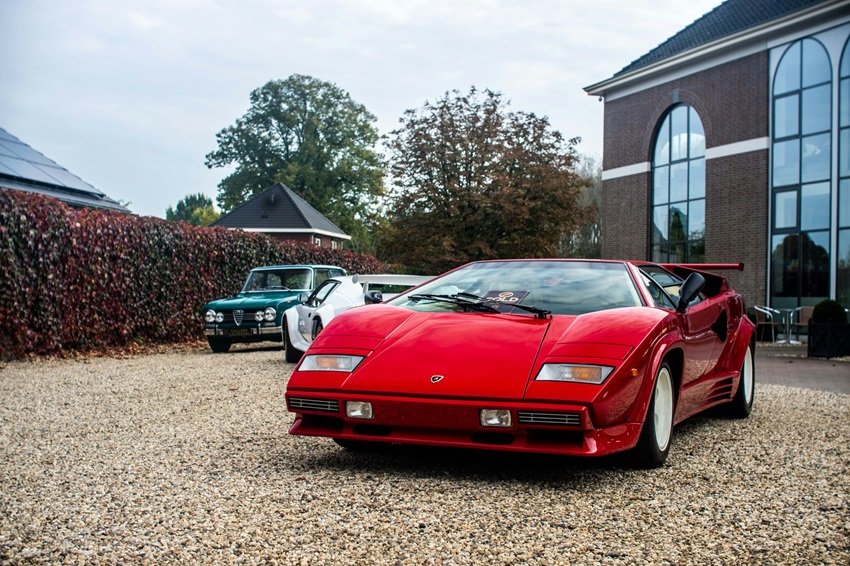
A significant vehicle should not be valued simply by entering its year, make, model, and mileage into an online pricing tool. For classic, exotic, and collector vehicles, the number can change substantially based on specification, condition, originality, provenance, documentation, and current market demand.
That becomes especially relevant when a vehicle represents a meaningful financial asset or forms part of a larger collection. An owner may need to understand its value before buying or selling, document a collection for insurance or financial purposes, update an estate inventory, or simply maintain an accurate picture of what the collection is worth.
Professional car valuation services provide a more structured way to assess that value. The objective is not to produce the highest possible number. It is to establish a reasoned valuation based on the individual vehicle and the purpose for which the valuation is being prepared.
What Are Car Valuation Services?
Car valuation services provide a professional assessment of what a specific vehicle is worth based on its characteristics, condition, history, documentation, and relevant market evidence. The process goes beyond a generic pricing guide because the valuation is tied to the actual vehicle being assessed.
For collector vehicles, this can involve reviewing the VIN and specification, factory options, mileage, originality, restoration work, modifications, service history, provenance, and supporting documentation. Comparable vehicles and relevant market activity provide additional context.
The reason for the valuation also matters. A value prepared for insurance documentation may serve a different purpose from one used for a potential sale, estate planning, financing, or collection management. Defining that purpose at the beginning helps determine what information should be considered and how the final conclusion should be presented.
Key Takeaways
A collector vehicle is an individual asset, and its value cannot always be established accurately from generic market data. Condition, specification, originality, provenance, documentation, and current demand can all influence the result.
The biggest mistake is treating an asking price or online estimate as a definitive valuation. Experienced valuation work looks at the evidence behind the vehicle and the relevance of the comparisons being used.
For owners with substantial collections, accurate valuation is also an ongoing management issue. Keeping documentation organized and reviewing values when circumstances materially change provides a much clearer picture of the collection’s financial position.
Fundamentals
1. A valuation starts with the vehicle, not the database
Pricing databases are useful reference tools, but they cannot see the specific car sitting in a private garage.
A database may identify a general market range for a model. It does not necessarily account for an unusual factory specification, documented provenance, incomplete restoration, mechanical condition, original components, or a particularly strong service history.
The more distinctive the vehicle, the more important individual assessment becomes.
2. Asking price and market value are different
A seller’s asking price represents an expectation. It does not establish what a vehicle is actually worth.
This distinction matters because collectible vehicles can be advertised at substantially different prices depending on seller, location, presentation, dealer markup, perceived rarity, and market conditions.
A professional valuation considers the quality and relevance of market evidence rather than simply selecting the most attractive listing.
3. The intended use determines what matters
A valuation should begin with a clear understanding of why it is being requested.
Common purposes include:
- Insurance documentation
- Buying or selling
- Estate planning
- Financial reporting
- Collection management
- Financing
- Asset documentation
- Tax-related purposes
- Dispute resolution
The appropriate approach can differ depending on the intended use, so owners should establish this before the valuation begins.
What Determines the Value of a Collector Vehicle?

1. Condition
Condition is one of the most important variables, but it is not limited to how a vehicle looks in photographs.
A meaningful assessment can consider paint and bodywork, interior condition, mechanical systems, drivetrain, suspension, brakes, electrical components, tires, corrosion, previous repairs, and the quality of any restoration.
A beautifully presented vehicle can still have underlying issues. Conversely, a well-maintained driver with some cosmetic imperfections may represent a stronger asset than its appearance initially suggests. Maintain your vehicle’s physical baseline and paint depth with white-glove mobile car detailing.
2. Originality
Originality can have a significant effect on collector vehicle value, particularly for historically important or highly sought-after models.
Factory-correct components, original finishes, matching numbers where applicable, documented factory options, and an unaltered specification may carry substantial importance in certain markets.
Modifications are not automatically negative. Some are desirable, period-correct, or professionally executed. What matters is understanding how the changes affect the vehicle’s position among comparable examples. Preserve matching-numbers authenticity and verify factory specifications with expert auto restoration management.
3. Provenance
Provenance is the documented history of a vehicle.
Ownership history, factory records, significant events, long-term ownership, restoration records, and other verifiable details can help establish a vehicle’s background.
For a serious collector, provenance is more than an interesting story. Documentation provides evidence that allows another party to understand the vehicle with greater confidence. Protect your portfolio’s market position and paper trail with structured car management.
4. Mileage
Mileage provides useful context but should not be evaluated independently.
A low-mileage vehicle can still have deterioration, deferred maintenance, poor storage history, or incomplete documentation. A higher-mileage vehicle may have been consistently serviced and maintained to a very high standard.
The condition and history surrounding the mileage figure are often more informative than the number itself. Prevent climate-related seals and component deterioration during long layovers with climate-controlled onsite car storage.
5. Restoration quality
Restoration can materially affect value, but the quality and extent of the work matter.
A documented restoration completed using appropriate materials and methods is different from a cosmetic refurbishment designed primarily to improve appearance.
For significant collector vehicles, records showing what was done, which components were replaced, and how the work was performed can provide important context for the valuation. Connect with vetted, specialist-level technicians through our mechanic shops selection and management service.
6. Documentation
Documentation can strengthen the history and credibility of a vehicle.
Useful records may include:
- Original purchase documents
- Service invoices
- Restoration receipts
- Factory documentation
- Build sheets
- Option records
- Previous appraisal reports
- Ownership records
- Import documentation
- Photographs
- Maintenance records
For collections, maintaining a dedicated file for every vehicle can make future valuations substantially easier. Organize records and secure year-round fleet management through our private membership plans.
Understanding Exotic Car Worth
Exotic vehicles present a different valuation challenge because specifications can vary considerably between otherwise similar cars.
Factory options, limited production numbers, colors, interior configurations, mileage, ownership history, service records, and modifications may all influence buyer interest.
For modern exotics, market demand can also change relatively quickly. A configuration that attracts strong interest at one point may not command the same premium later.
Owners should therefore be cautious about using a single recent listing as evidence of exotic car worth. One advertised vehicle does not necessarily establish the market for another vehicle with a different specification or history.
The strongest valuation considers the individual car alongside genuinely comparable examples.
How a Professional Vehicle Valuation Is Performed
1. Identify the vehicle precisely
The process begins by establishing exactly what is being valued.
This may include:
- VIN
- Year
- Make
- Model
- Body style
- Engine
- Transmission
- Factory options
- Production details
- Special-edition status
For rare vehicles, seemingly small differences in specification can have meaningful consequences for value.
2. Review the vehicle’s records
The available documentation helps establish the vehicle’s history and current condition.
Service records can show how the vehicle has been maintained. Restoration records can explain major work. Factory documentation can confirm original specifications. Ownership records can provide additional context.
Gaps in documentation should not automatically invalidate a valuation, but they should be recognized rather than overlooked.
3. Inspect the vehicle
A physical assessment provides information that photographs and databases cannot.
The inspection may consider exterior condition, paint, bodywork, interior, mechanical components, drivetrain, suspension, brakes, electrical systems, tires, corrosion, restoration quality, and modifications.
The depth of the inspection should be appropriate to the assignment and the type of vehicle.
4. Establish relevant comparisons
Comparable vehicles should be genuinely comparable.
A useful comparison considers factors such as model, year, specification, condition, mileage, originality, provenance, and market position.
For an uncommon vehicle, there may not be a perfect comparable. In that situation, professional judgment becomes particularly important because the available examples may need to be adjusted for meaningful differences.
5. Develop a supported conclusion
The final valuation should be connected to the evidence.
A credible conclusion explains why the vehicle falls within a particular range or represents a particular value. It should not simply present a number without context.
That distinction becomes increasingly important when the valuation will be reviewed by an insurer, attorney, financial professional, fiduciary, lender, buyer, or another third party.
How to Prepare for a Car Valuation
The quality of the available information can make the valuation process more efficient and more useful.
1. Organize the records
Gather service invoices, restoration documentation, factory records, purchase documents, previous valuations, and other relevant material before the inspection.
2. Document major work
Keep records for significant mechanical, cosmetic, restoration, or preservation work. Include invoices and photographs when available.
3. Be transparent about modifications
Disclose modifications, previous repairs, paintwork, replacement components, or other changes. A valuation is more useful when the vehicle’s history is understood accurately.
4. Explain the purpose
Tell the professional what the valuation is intended to accomplish. This provides important context for the assignment.
5. Keep the vehicle accessible
The vehicle should be available for a proper inspection. If it is stored in a private collection facility, garage, or other controlled environment, make arrangements so the relevant areas can be examined.
Vehicle Collection Value Requires a Collection-Level View
A multi-vehicle collection should not necessarily be treated as a simple collection of individual retail prices.
The owner may need to understand acquisition cost, current value, condition, documentation, market exposure, and the relative importance of each vehicle within the collection.
There can also be practical differences between the theoretical value of individual vehicles and the realities of selling several vehicles. Timing, buyer availability, transaction costs, market conditions, and the condition of individual cars can all affect the outcome.
For family offices and owners with substantial collections, maintaining current vehicle records can therefore serve a broader purpose than simply knowing what each car is worth. It creates a clearer asset inventory that can support ongoing collection management and future financial decisions.
Unify your collection’s valuation, provenance, and long-term strategy through our complete automotive asset management framework.
Car Valuation Services at a Glance
| Decision factor | What to consider |
|---|---|
| Best suited for | Classic cars, exotic vehicles, collector cars, rare models, and significant automotive assets |
| Primary purpose | Establish a reasoned value for a specific vehicle or collection |
| Most important evidence | Condition, specification, originality, provenance, documentation, and relevant market data |
| Common mistake | Using an online estimate or asking price as the definitive value |
| Before the valuation | Gather records, clarify the purpose, and make the vehicle available for inspection |
| For collections | Maintain individual vehicle files and review values when circumstances materially change |
| Professional recommendation | Match the valuation professional’s experience to the type, rarity, and intended use of the vehicle |
Frequently Asked Questions About Car Appraisal Services
1. How are car valuation services different from online vehicle estimates? Online estimates generally use broad market data based on factors such as make, model, year, mileage, and location. Professional valuation services can consider the specific vehicle’s condition, specification, originality, history, documentation, and relevant comparable evidence. This distinction becomes more important as a vehicle becomes rarer or more valuable.
2. Can a classic car appraisal increase the value of my vehicle? An appraisal does not increase the vehicle’s underlying market value. It documents an assessment of what the vehicle is worth based on the evidence available at the time. However, identifying missing documentation, restoration records, or other information during the process may help an owner better understand what supports the vehicle’s value.
3. How often should a collector vehicle’s value be reviewed? There is no universal schedule. A review may make sense after a significant restoration, major modification, material change in market conditions, or when an older valuation is being used for a new financial or insurance purpose. Owners should also follow any specific requirements established by their insurer or other intended report user.
4. Do restoration efforts always increase value? Yes! If you hire a professional reconditioning service, they can breathe new life into your classic car.
5. What’s the difference between an appraisal and a valuation? An appraisal is a narrow explicit evaluation made by a specialist, while a valuation may be a general market estimate.
6. Are appraisers certified? Yes, reliable appraisers participate in certification agencies such as ASA or IAAA-accredited institutions.
7. Can mileage affect valuation? As expected, collectors usually back those cars that have low mileage.
8. What is provenance in car valuation? It means information about the car and its past owners and documents.
9. How do market trends impact value? Trends represent demand and thus have a direct impact on pricing.
10. Is it necessary to hire a local expert in Miami? Local experts have great insights into the market in their region; therefore it’s great to hire a local expert.
Protecting Value Through Accurate Vehicle Appraisal
Valuing luxury or exotic cars must be very systematic and methodological. First, conduct a market analysis and then hire professional car appraisal services to offer you an accurate classic car appraisal or the worth of your exotic car. Do a thorough inspection of your car and write down its history to prove the worth of your automobile.
Pay attention to originality and provenance, as they might be huge determining factors for your automotive collection. To come closer to the real worth of your car, do not make mistakes like ignoring minor damage or not paying attention to market trends. Here’s how you can maintain your car collection in Miami.
Ready to upgrade your driving experience? Contact us today or Join a plan here to connect with our expert network and enjoy peace of mind on the road.
Thank you for reading! If you enjoyed this post and want to stay updated on the latest in luxury cars, subscribe to our newsletter for exclusive insights, tips, and more. We’d love to hear your thoughts—please comment below with your feedback on this post, or let us know what topics you’d like us to cover in the future. Your input helps us create content that genuinely interests you!
Source
- Automotive Quest – https://automotivequest.com/
- Autotrader – https://www.autotrader.com/