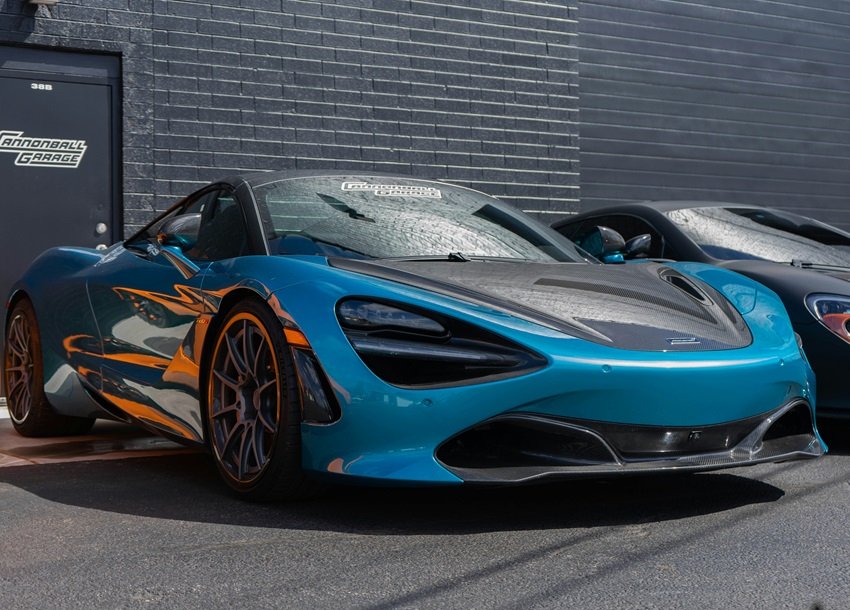
Financing a Ferrari, Lamborghini, McLaren, or other exotic vehicle can involve considerations that do not arise in an ordinary vehicle purchase. The lender may need to understand the specific model, its condition, available market comparisons, ownership history, and how the vehicle will be used.
For collectors in Miami and South Florida, the important question is not simply whether a lender offers luxury car financing. It is whether the proposed financing structure makes sense for the particular vehicle and the buyer’s plans.
A vehicle’s purchase price alone does not tell the whole story. Two cars with similar asking prices can present very different collateral considerations, especially when one has an established resale market and the other has limited comparable sales.
This guide explains how exotic car financing works, what lenders may examine, how private purchases can affect the process, and what to consider before accepting a loan offer. It also distinguishes purchase financing from borrowing against a vehicle you already own.
Why Standard Auto Loan Assumptions Don’t Apply Here
Traditional auto financing and exotic car financing have some requirements in common, but the collateral can present different challenges.
A newer luxury vehicle with frequent comparable sales may be relatively straightforward for a lender to evaluate. A limited-production exotic, discontinued model, or unusual collector specification may require more individual consideration.
The lender may need to understand how the vehicle is valued, whether its condition supports that valuation, and whether reliable comparable transactions are available. This is particularly relevant when the purchase price is substantially different from the prices of similar vehicles in the wider market.
The important distinction is that a high vehicle value does not automatically make a vehicle easy to finance.
Key Takeaways
-
Exotic and collector vehicles may require more specific collateral evaluation than conventional vehicles.
-
Production numbers, comparable sales, condition, documentation, and market activity can influence a lender’s assessment.
-
Private-party and auction purchases may involve additional documentation or verification.
-
The monthly payment alone does not reveal the full cost or risk of a financing arrangement.
-
Purchase financing and title-based borrowing are different financial products.
-
Organizing vehicle documentation before applying can help identify missing information earlier.
What Makes an Exotic or Collector Vehicle Easier to Finance?
A vehicle’s value and its financeability are not necessarily the same thing. A lender may be comfortable with a moderately priced vehicle that has a well-established resale market, while requiring additional review for a more expensive model with few comparable transactions.
Three considerations help explain the difference.
1. Market evidence
How frequently do comparable vehicles sell, and how reliable are the available transaction records? A lender may have more information available for a model with an established trading history than for an unusual specification or limited-production example.
2. Vehicle condition and documentation
Can the vehicle’s identity, ownership history, condition, mileage, maintenance records, and modifications be adequately documented? Missing records or unresolved questions may create additional work during the lender’s review.
3. Collateral marketability
If the lender ever needed to recover its money through the collateral, how readily could the vehicle be valued and sold? Rarity can increase collector interest, but limited trading activity can also make valuation less straightforward.
These are useful questions for understanding a vehicle’s financing readiness. They are not a formal scoring system or a substitute for a lender’s underwriting criteria.
A rare vehicle can be highly desirable to collectors and still be difficult to finance. Desirability, market value, and the lender’s ability to evaluate collateral are three different things.
Why Two Vehicles With the Same Asking Price Can Receive Different Financing Reviews
Imagine two exotic vehicles offered for approximately the same purchase price.
The first is a familiar performance model with a relatively active resale market. Several comparable transactions are available, its specification is documented, and its service history is reasonably complete.
The second is a limited-production model with an unusual specification. Only a small number of comparable vehicles have traded publicly, and some of its ownership or service documentation is incomplete.
Although the asking prices are similar, the lender may have a different level of confidence in the available collateral information.
The second vehicle may require additional documentation, a specialist appraisal, or further verification, depending on the lender’s policies.
The buyer’s credit profile still matters where the lender evaluates personal repayment capacity. But the vehicle itself can introduce a separate set of questions.
This is why a collector should establish what documentation the lender requires before committing to a purchase.
How Collateral Valuation Actually Differs

A lender’s collateral assessment is not necessarily the same as the asking price advertised by a dealership or private seller.
Depending on the vehicle and financing program, the lender may consider comparable transactions, vehicle condition, mileage, specification, ownership documentation, and an independent appraisal.
For rare vehicles, the challenge may be finding sufficiently comparable transactions. An unusual model, limited-production edition, or extensively modified vehicle may not have enough recent sales evidence to support a straightforward valuation.
Buyers should ask whether the lender uses the purchase price, an independent appraisal, a recognized valuation source, or another method to establish the collateral value.
Also ask whether the amount used for financing differs from the seller’s asking price.
Private Sale vs. Dealer Purchase: A Financing Distinction Worth Knowing
Buying an exotic vehicle privately can require more coordination than purchasing through an established dealership.
The lender may request a signed purchase agreement, confirmation of the seller’s ownership, title information, vehicle identification details, and documentation supporting the vehicle’s condition and value.
Auction purchases can introduce their own timing considerations. A buyer may need to arrange financing before bidding, rather than assuming funding will be available after winning the vehicle.
The practical step is to speak with the lender before making a binding commitment. Ask what documents are required, whether an inspection or appraisal is necessary, and how much time the lender needs to complete its review.
A private purchase is not automatically ineligible for financing. The requirements depend on the lender and the transaction.
Why Loan Terms Sometimes Look Unusual Compared to Standard Financing
Exotic car financing offers can differ in down payment requirements, loan duration, interest rates, loan-to-value limits, and payment structures.
These terms are determined by the individual financing program and the borrower’s circumstances. The vehicle’s age, condition, purchase price, collateral assessment, and intended use may also affect eligibility.
Some lenders offer conventional installment loans, while others may have specialized structures for collector vehicles.
Rather than assuming that every exotic car loan follows the same rules, ask the lender to explain the specific structure being offered and how it applies to your vehicle.
Why the Lowest Monthly Payment Isn’t Automatically the Right Choice
A low monthly payment can make an exotic vehicle appear more affordable, but it does not necessarily mean the financing is less expensive.
The loan term, interest rate, down payment, final payment, fees, and outstanding balance all matter.
For example, a financing arrangement with a longer repayment period may reduce the monthly obligation while increasing the total interest paid. A balloon payment can also create a substantial obligation at the end of the term.
Before accepting an offer, calculate the total amount payable over the full agreement and understand what happens if you want to sell the vehicle before the loan is repaid.
The best structure is not automatically the one with the smallest monthly payment. It is the one whose total obligations and exit conditions fit your ownership plans.
A Practical Way to Compare Multiple Financing Offers
Comparing exotic car financing offers requires looking beyond the advertised rate.
Request the complete written terms from each lender and compare the same information across all offers.
Pay particular attention to:
-
Annual percentage rate (APR).
-
Down payment and loan-to-value calculation.
-
Repayment period.
-
Monthly payment and total repayment amount.
-
Any balloon or final payment.
-
Origination, documentation, and other fees.
-
Early repayment or prepayment conditions.
-
Requirements for insurance, vehicle use, and storage.
-
Restrictions on selling or transferring the vehicle.
Ask each lender how it established the vehicle’s collateral value and whether the terms could change if the vehicle’s final inspection or appraisal differs from the initial information.
A useful comparison should reveal not only which loan is cheaper, but also which one gives you the most manageable obligations throughout ownership.
Financing Options for Rare and Limited-Production Vehicles
When a vehicle is unusually rare or has limited comparable sales, a conventional auto lender may not have a financing program suited to that particular asset.
Some specialty lenders focus on classic, exotic, and collector vehicles and may evaluate eligible purchases using vehicle-specific documentation and appraisal information.
For owners of established collections, there may also be lending structures that consider a portfolio of vehicles rather than an individual purchase. These arrangements are different from ordinary vehicle purchase loans and can have distinct eligibility requirements.
The important step is to identify the type of financing being considered before comparing offers. Ask whether the lender is financing the purchase of one vehicle, refinancing an existing loan, or extending credit secured by vehicles you already own.
Eligibility, collateral requirements, and repayment terms vary by lender.
Can You Refinance an Existing Exotic Car Loan?
Refinancing may be an option for some exotic and collector vehicles, but eligibility is not automatic.
A lender considering refinancing may review the outstanding loan balance, the vehicle’s current condition, its market value, the borrower’s financial profile, and the proposed repayment terms.
The fact that a vehicle has become more desirable among collectors does not guarantee that its financing value has increased by the same amount.
Before refinancing, compare the proposed new loan with the existing agreement. Include any payoff charges, new fees, changes in interest, repayment period, and total amount payable.
Refinancing should be evaluated on the complete financial arrangement, not simply on whether the monthly payment becomes smaller.
Why Vehicle Documentation Matters Before Applying for Financing
A financing application can involve more than providing personal financial information. The vehicle itself may need to be documented sufficiently for the lender to identify and evaluate the collateral.
Depending on the transaction, useful documents may include:
-
Vehicle identification number and title information.
-
Purchase agreement or seller documentation.
-
Available maintenance and service history.
-
Ownership and provenance records.
-
Details of modifications or restoration work.
-
Independent inspection or appraisal documentation, if required.
For collectors purchasing through private sellers or auctions, organizing these records before submitting an application can help identify missing information while there is still time to address it.
Andromeda Crown’s role is to help coordinate vehicle acquisition activities, organize available vehicle documentation, and communicate with relevant automotive professionals. We do not originate loans, approve applications, establish interest rates, or perform lender underwriting.
Questions Worth Asking Before Committing to Financing
Before accepting an exotic or collector car loan, consider asking the lender:
-
How will you determine the collateral value of this specific vehicle?
-
What appraisal or comparable-sales information will you require?
-
Are there restrictions on the vehicle’s age, mileage, condition, or modifications?
-
Can the purchase be financed if the seller is a private individual or auction house?
-
What down payment and loan-to-value requirements apply?
-
What is the total repayment amount over the entire loan?
-
Are there balloon payments, early repayment charges, or other fees?
-
Are there restrictions on vehicle storage, use, insurance, or resale?
These questions help establish whether the financing arrangement is suitable for the actual vehicle and the way you intend to own it.
Exotic Car Title Loans: Borrowing Against a Vehicle You Already Own
Not every search for an exotic car loan comes from someone purchasing a vehicle. Some owners are looking to access funds using a vehicle they already own as collateral.
This is different from financing a new purchase.
A vehicle title loan generally involves borrowing money secured by the vehicle’s title or an interest in the vehicle. The lender establishes the loan amount and repayment conditions according to the applicable financing arrangement.
For a high-value exotic or collector vehicle, it is important to establish exactly what type of financing is being offered. A conventional vehicle-secured loan, a specialized collector-vehicle loan, and a short-term title loan should not be treated as interchangeable products.
Before proceeding, verify:
-
Whether the lender is appropriately licensed for the product being offered.
-
Whether the vehicle must be owned outright or can have an existing lien.
-
The amount being borrowed relative to the vehicle’s assessed value.
-
The interest rate, APR, fees, and complete repayment schedule.
-
Whether the agreement permits you to continue using the vehicle.
-
What happens if you miss a payment or cannot repay the loan.
An important consideration for Florida vehicle owners: Title loans can carry significant financial risks. Under Florida’s title-loan framework, the lender may have rights to repossess and sell the vehicle if the borrower defaults. Check the applicable agreement and licensing requirements before proceeding.
For a vehicle that represents a significant part of a collection, the potential consequences deserve careful consideration. Do not compare a title loan solely by how quickly funds can be obtained. Compare the complete cost of borrowing and the possibility of losing the vehicle.
Exotic Car Financing at a Glance
-
Exotic car financing may require vehicle-specific collateral evaluation.
-
Comparable sales, condition, specification, and documentation can affect the lender’s review.
-
Private purchases and auction transactions may require additional verification.
-
Interest rates, down payments, repayment periods, and loan structures vary by lender.
-
The lowest monthly payment does not necessarily mean the lowest total financing cost.
-
Title loans are different from purchase financing and may expose an owner to vehicle repossession.
-
Organizing vehicle documentation before applying can help identify potential delays.
Frequently Asked Questions
1. Why do exotic car loans sometimes have different terms than standard auto loans?
Exotic and collector vehicles can present different collateral considerations from ordinary passenger vehicles. Depending on the model, condition, market activity, and available comparable sales, a lender may require additional valuation or documentation. Financing terms ultimately depend on the lender’s program and the borrower’s financial qualifications.
2. Is a rare, low-production vehicle always harder to finance than a more common exotic?
Not necessarily. Limited production does not automatically make a vehicle difficult to finance. However, a lack of comparable transactions or uncertainty about its condition and market value may require additional review. The lender evaluates the particular vehicle rather than rarity alone.
3. Does buying privately instead of through a dealer complicate exotic car financing?
It can. Depending on the lender, a private purchase may require additional documentation, such as seller ownership information, a purchase agreement, title details, and independent verification of the vehicle’s condition or value. Confirm these requirements before committing to the purchase.
4. What is the difference between exotic car financing and an exotic car title loan?
Exotic car financing generally refers to borrowing money to purchase a vehicle. A title loan involves borrowing against a vehicle you already own, using the vehicle title or an interest in the vehicle as security. The eligibility requirements, repayment terms, and risks can be very different. Review the agreement carefully before proceeding.
5. Can I get financing for an exotic car purchased at auction?
Some specialty lenders finance eligible auction purchases, but requirements and timing vary. You should confirm whether pre-approval is available, what documentation is needed, and when funds can be released. This is particularly important because auction payment deadlines may be shorter than a conventional vehicle purchase timeline.
6. Can I finance an exotic car purchased from a private seller?
Some lenders consider private-party transactions. They may request a purchase agreement, proof of ownership, title information, vehicle identification details, and additional inspection or valuation documentation. Confirm the lender’s requirements before making a deposit or signing a binding agreement.
7. Can I refinance an exotic car loan?
Refinancing may be available depending on the existing loan, vehicle, outstanding balance, current valuation, and lender requirements. Compare the new interest rate, fees, remaining repayment period, and total amount payable before deciding whether refinancing makes financial sense.
Preparing for an Exotic Vehicle Purchase in Miami?
Financing a luxury or collector vehicle is only one part of a successful acquisition. The vehicle’s documentation, condition, ownership history, inspection requirements, and transaction logistics also deserve attention before the purchase is completed.
Andromeda Crown assists collectors and luxury vehicle owners with the coordination of vehicle acquisitions, independent inspections, documentation, and related automotive arrangements.
If you are considering a Ferrari, Lamborghini, McLaren, or another specialty vehicle, we can help organize the acquisition process and the vehicle-related details that need attention before and after the transaction.
Explore our luxury and exotic vehicle acquisition services or contact Andromeda Crown to discuss your requirements.