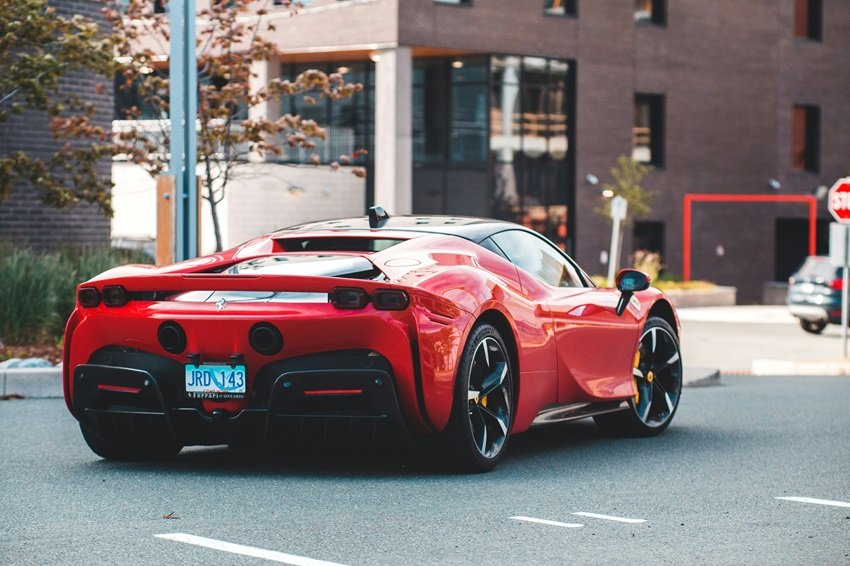
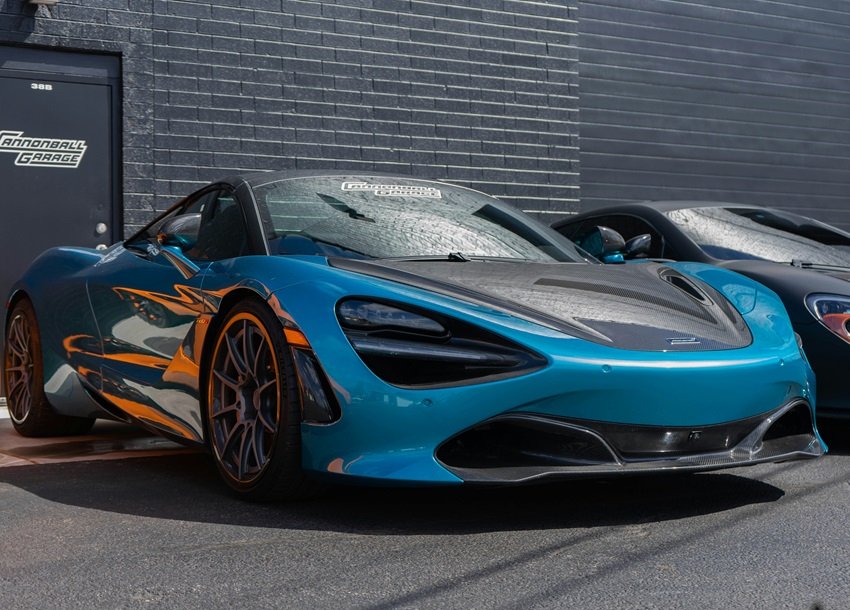
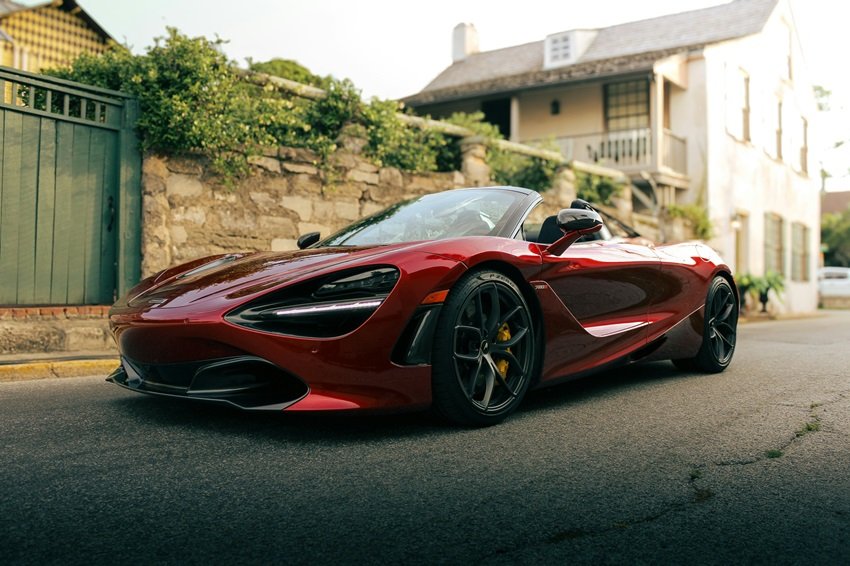
Maintaining a classic car in Florida involves more than keeping up with occasional repairs. A vehicle’s age, previous restoration work, frequency of use, storage environment, and maintenance history all influence the attention it needs.
The challenge becomes more involved when an owner manages several classic vehicles. One may be driven regularly, another may leave the garage only for special occasions, and a third may be waiting for mechanical work or further restoration. Treating all three as though they follow the same maintenance routine can create gaps in their care.
Florida also brings environmental considerations. Heat, humidity, rain, and salt-air exposure can affect vehicles differently depending on where they are kept and how often they are used.
A more reliable approach is to manage each classic car according to its individual condition and ownership pattern, while maintaining one organized view of the entire collection.
Why classic car maintenance in Florida requires a different approach
Classic vehicles do not all age in the same way. Their materials, mechanical systems, replacement-part availability, previous repairs, and restoration history can differ considerably.
A vehicle that has been carefully maintained and driven periodically may have very different needs from one that has recently undergone restoration or spent an extended period inactive.
Florida’s environment adds another variable. A car stored in a dry, enclosed garage has a different exposure profile from one kept in a property garage near the coast or regularly parked outdoors.
For that reason, classic car care should begin with the vehicle itself, not a generic checklist.
The overlooked problem: a collection can look maintained while individual cars fall behind
One of the most common management problems in a multi-car collection is that the owner remembers the major service appointments but loses track of what has happened between them.
A car may have a folder of invoices but no clear record of its last drive. Another may have completed restoration work but still have outstanding recommendations. A third may be ready for an event, yet its current condition has not been reviewed since its last outing.
These are different situations, and they should not be treated as the same maintenance status.
The solution is to give every vehicle its own current status, next required action, and supporting documentation.
A practical four-status system for managing classic cars
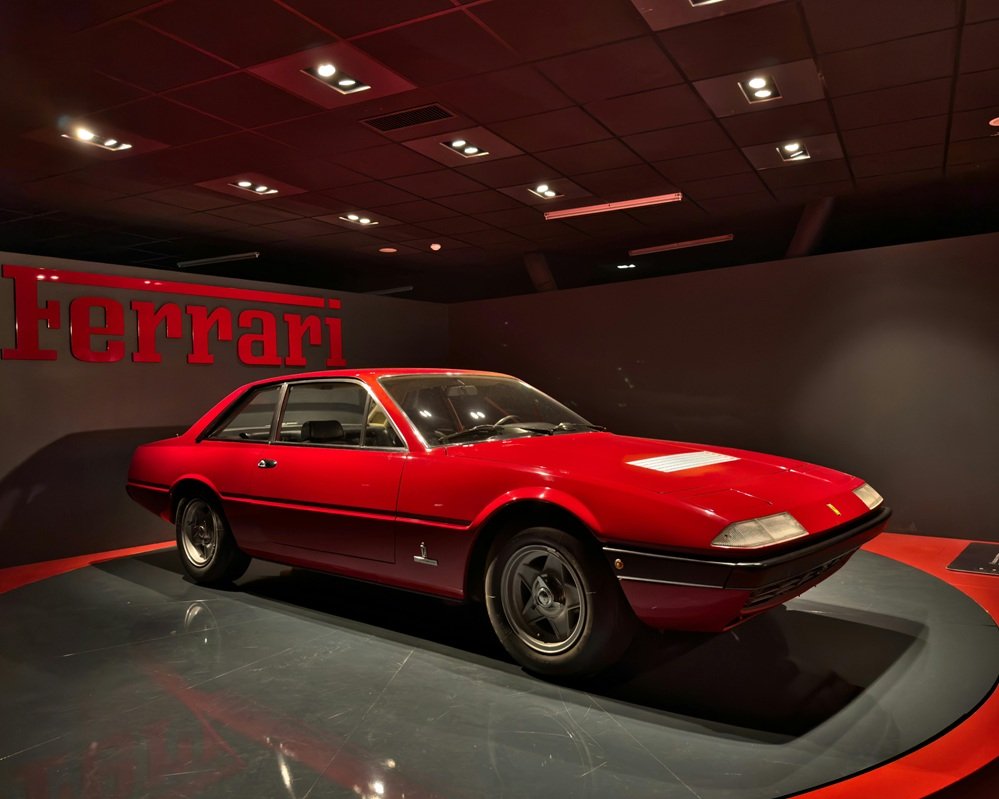
Rather than applying one maintenance calendar to the entire collection, organize each vehicle according to its current ownership and usage situation.
1. Regularly driven
These vehicles are used with some consistency.
Their records should track mileage, manufacturer or specialist service requirements, recent observations, and any work recommended after use.
The purpose is to ensure that routine driving does not cause owners to overlook developing issues or scheduled maintenance.
2. Occasionally driven
These cars may be used for weekend outings, events, or selected occasions.
Low mileage does not automatically mean that a vehicle needs less attention. Time-based requirements and the effects of inactivity should also be considered.
The owner should maintain a record of the last drive, last service, outstanding recommendations, and any preparation required before the next outing.
3. Temporarily inactive or in storage
These vehicles are expected to remain unused for a defined period.
Before storage, the owner should establish a vehicle-specific preparation plan with a qualified specialist. The plan should account for the car’s equipment, mechanical condition, expected storage duration, and storage environment.
It should also identify who is responsible for any agreed monitoring or follow-up during the period of inactivity.
For owners arranging extended absences, seasonal car storage management in Miami addresses the coordination involved before, during, and after a period away.
4. Recently restored or awaiting further work
A recently restored classic should not automatically be treated as a fully settled vehicle.
The restoration scope, parts installed, outstanding work, specialist recommendations, and any required follow-up should be documented. The restoration professional should establish the appropriate inspection and use guidance for that particular vehicle.
A car awaiting further work should also have a clear record of what remains outstanding, rather than being treated as ready simply because it is back at the owner’s property.
This distinction is especially important when several vehicles are being managed at the same time.
How Florida’s climate should influence classic car care
Environmental exposure should be considered as part of each vehicle’s care plan.
Salt air and coastal exposure
Classic cars kept near the coast may experience different exposure from vehicles stored farther inland.
Owners should pay attention to the vehicle’s storage location, the condition of exposed surfaces, and any signs identified during professional inspections. Cleaning and inspection requirements should reflect the actual environment rather than an assumed schedule.
Heat and sunlight
Repeated sun exposure can affect paint, rubber, seals, upholstery, dashboards, and other materials, depending on their age and condition.
Parking arrangements, suitable coverings, and material-specific care should be considered for vehicles that spend time outdoors or in garages exposed to significant heat.
Humidity and moisture
An enclosed garage is not automatically a suitable long-term environment for every classic vehicle.
The actual conditions, including moisture exposure and ventilation, deserve attention. Older vehicles and previously restored cars may also have different material and component considerations.
If a vehicle shows signs of moisture-related deterioration, have the affected area assessed by an appropriate specialist rather than relying on cosmetic treatment alone.
Heavy rain and storm exposure
Florida owners should also consider where a vehicle is kept during periods of heavy rain and severe weather.
Storage location, potential water exposure, access, and the ability to check the vehicle after a weather event are relevant parts of the ownership plan.
There is no single environmental protection routine that applies to every classic car. The vehicle’s condition and actual surroundings should guide the decisions.
The maintenance history every classic car should have
For a classic vehicle, a collection of invoices is useful, but it is not the same as a complete ownership history.
A more useful record connects the work performed with the vehicle’s condition and what should happen next.
For each car, maintain the following information:
| Record | What to keep |
|---|---|
| Vehicle identity | Make, model, year, VIN, and relevant identifying details |
| Ownership history | Available ownership records and supporting documentation |
| Service history | Dates, mileage, invoices, and work completed |
| Restoration history | Restoration scope, parts used, specialists, and supporting photographs |
| Current condition | Dated observations and relevant condition photographs |
| Usage | Last driven date, approximate mileage, and intended use |
| Storage | Current location and relevant environmental considerations |
| Open recommendations | Work proposed, approval status, and next action |
| Supporting documents | Inspection reports, receipts, manuals, and specialist correspondence |
One distinction deserves particular attention: recommended work and completed work must be recorded separately.
An estimate is not proof that a repair was completed. A specialist’s recommendation is not the same as an approved job. Keeping these records separate gives the owner a much clearer understanding of each vehicle’s actual history.
For a more structured approach, see luxury vehicle recordkeeping and history management.
What to review before driving a classic car after an extended period
A vehicle that has been sitting should not be assumed ready for the road simply because it was operating properly before storage.
The appropriate return-to-use checks depend on the car, its condition, the length of inactivity, and the manufacturer’s or specialist’s recommendations.
Before the next outing, establish whether the following areas require attention:
- Battery and electrical condition
- Tires and their condition after the period of inactivity
- Fluid levels and any signs of leakage
- Brake system condition
- Visible changes around hoses, belts, seals, and other accessible components
- Any warning indicators or unusual behavior
- Outstanding recommendations from the previous service or inspection
This is not a substitute for a mechanical inspection or a universal checklist. It is a way to ensure that the relevant items are considered before the vehicle returns to use.
If anything appears unusual, have the vehicle assessed by an appropriately qualified specialist before driving.
Coordinating the specialists involved in classic car ownership
A classic car collection may involve several independent professionals over time.
Depending on the vehicles and the work required, these may include:
- Classic and vintage vehicle mechanics
- Restoration specialists
- Body and paint professionals
- Interior and upholstery specialists
- Detailing providers
- Transport companies
- Storage facilities
The difficulty is not necessarily finding one provider. It is making sure the work of different providers remains connected.
For example, if a restoration specialist recommends follow-up work, the owner should be able to identify whether it was approved, who is responsible for completing it, and whether the final work was documented.
When selecting a mechanic or restoration professional, experience with the particular vehicle and the work required matters more than a general claim of expertise. Mechanic shop selection and management can help owners approach specialist selection and coordination more systematically.
A classic car collection management record you can actually use
The following is a simple way to organize the status of several vehicles without confusing their individual requirements.
| Vehicle | Current status | Last service | Last driven | Outstanding item | Next action |
|---|---|---|---|---|---|
| Vehicle A | Regularly driven | Record date | Record date | None or details | Next scheduled review |
| Vehicle B | Occasionally driven | Record date | Record date | Specialist recommendation | Confirm next step |
| Vehicle C | Inactive | Record date | Record date | Storage preparation | Confirm storage plan |
| Vehicle D | Recently restored | Record date | Record date | Follow-up review | Consult restoration specialist |
These are example categories, not maintenance intervals or mechanical instructions.
The value of this system is that it makes the collection easier to understand at a glance. It shows which cars are ready for their intended use, which require attention, and which have unresolved items.
It also prevents one vehicle’s completed service from creating the impression that the entire collection is up to date.
Common mistakes when maintaining classic cars in Florida
1. Using mileage as the only maintenance measure
A vehicle that travels very few miles can still have time-based service requirements and considerations related to inactivity. Follow the recommendations for the specific vehicle.
2. Treating every classic car the same
A restored car, an original survivor, and a regularly driven classic may have different requirements. Their care plans should reflect their individual histories and condition.
3. Assuming a garage eliminates environmental concerns
Indoor storage can reduce some forms of exposure, but the actual environment still matters. Moisture, ventilation, location, and potential water exposure should be considered.
4. Losing track of unfinished work
A recommendation, estimate, or restoration item can remain unresolved for months if nobody records its status. Keep open items visible until they are completed or formally deferred.
5. Failing to document changes in condition
Dated photographs and written observations can help establish when a condition was first noticed and whether it changed after subsequent work or storage.
6. Confusing a vehicle’s appearance with its overall condition
A clean, polished classic can still have outstanding mechanical or documentation issues. Cosmetic presentation should never be treated as proof that a vehicle is mechanically ready.
Maintaining classic cars in Florida: a practical checklist
- Keep an individual service and ownership record for every vehicle.
- Record the last drive as well as the last service.
- Follow the manufacturer’s and qualified specialist’s recommendations.
- Account for the vehicle’s age, restoration history, and actual usage.
- Consider heat, humidity, salt-air exposure, and storage conditions.
- Establish a vehicle-specific plan before extended inactivity.
- Review the appropriate checks before returning a stored vehicle to use.
- Separate completed work from outstanding recommendations.
- Keep specialist information, invoices, and photographs together.
- Maintain a clear next action for every vehicle in the collection.
Frequently asked questions about maintaining classic cars in Florida
1. Does Florida’s climate affect classic cars?
It can. Heat, humidity, sunlight, rain, and salt-air exposure can affect different vehicles and materials in different ways. Storage location, vehicle condition, and the materials involved should guide the appropriate care.
2. Do classic cars need maintenance if they are rarely driven?
Yes. Low mileage does not eliminate time-based service requirements or the considerations associated with inactivity. The appropriate schedule and preparation depend on the particular vehicle and qualified professional guidance.
3. Is maintaining a classic car different from maintaining a modern exotic?
It can be. Classic vehicles may have older materials, different mechanical systems, discontinued components, and restoration histories that require more specialized knowledge. The appropriate care should reflect the vehicle’s age, design, and condition.
4. What should I check before driving a classic car after storage?
The required checks depend on the vehicle and its storage period. Battery and electrical condition, tires, fluids, brakes, visible leaks, and any outstanding specialist recommendations may need attention before use.
5. Why are restoration records important?
They help establish what was completed, which parts and materials were involved, who performed the work, and what recommendations remain. This information is useful for future maintenance and understanding the vehicle’s history.
6. How do you manage several classic cars with different maintenance needs?
Maintain a separate record and current status for each vehicle. Track service dates, last use, storage arrangements, condition observations, outstanding work, and the next required action. This makes it easier to manage the collection without assuming that every vehicle follows the same schedule.
Managing a classic car collection in Miami
Maintaining one classic car requires attention to its condition and history. Managing several vehicles adds another responsibility: keeping their different service requirements, specialists, storage arrangements, and records organized.
Andromeda Crown provides automotive asset management and oversight for collectors and owners of luxury, exotic, and classic vehicles. We help coordinate appropriate specialists, service requirements, storage arrangements, transportation, and vehicle documentation.
We do not replace the mechanic, restoration professional, detailer, or storage provider. Our role is to help owners organize and oversee the services their vehicles require.
For owners who want a more coordinated approach to their vehicles and collection, explore automotive asset management or contact Andromeda Crown to discuss your requirements.