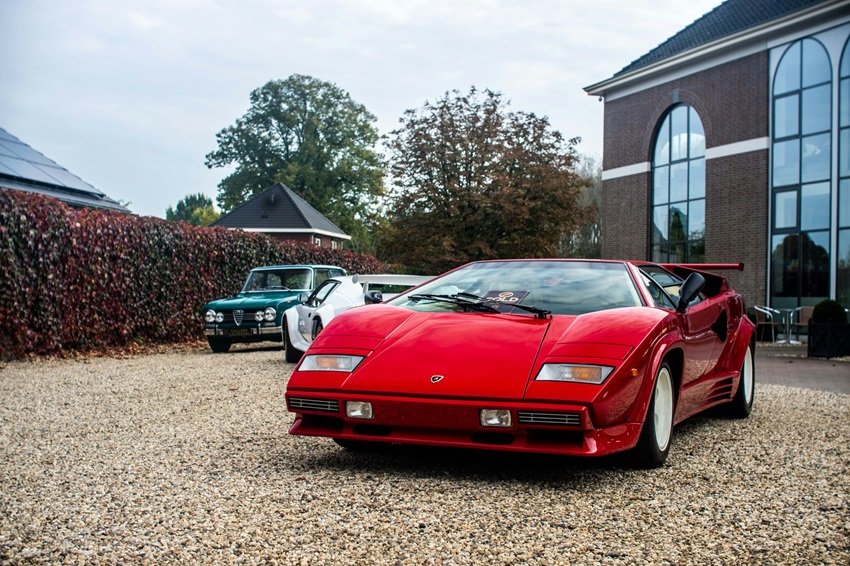
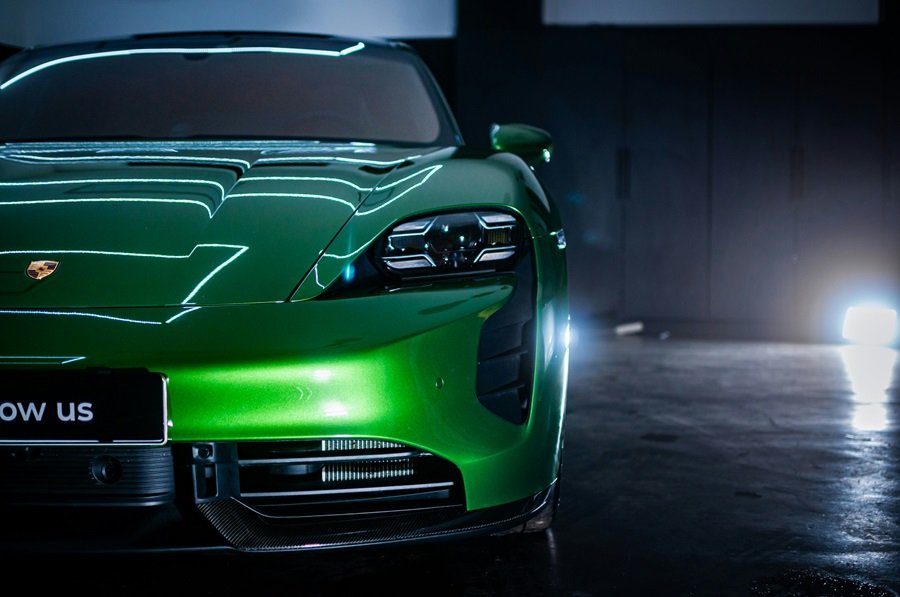
A company vehicle carries a risk an individually owned car doesn’t. It’s seen as a reflection of the business, by clients, by employees, sometimes by the public, and that changes what “well maintained” actually needs to mean.
Why Company Vehicles Are a Different Kind of Asset
An individual’s neglected personal car mainly affects that person. A visibly neglected company vehicle reflects on the business itself. So the standard shouldn’t be set by what keeps the car running. It should be set by what the business can’t afford to have seen.
Key Takeaways
Company vehicles carry brand representation risk that individually owned vehicles don’t. Liability exposure differs when employees or clients are passengers or drivers, which affects both maintenance and documentation priorities. Consistency across every vehicle in a fleet matters more than peak condition in any single one.
A Scenario That Makes the Liability Question Concrete
Picture a company car involved in a minor accident with a client in the passenger seat. The client’s attorney asks for the vehicle’s maintenance history. If the business has scattered receipts and no consistent record, that gap becomes part of the story, whether or not the maintenance itself was actually fine. A business with organized, documented service history tells a different story before a single question is even asked. This isn’t a hypothetical edge case. It’s the exact situation documentation exists to prevent, and most businesses only think about it after something has already gone wrong.
The Personal-Use Blurred Line Most Businesses Miss
Executives often use a company vehicle for personal errands, weekend trips, family use, without much thought to where the line is. That blurring matters more than it seems. Insurance coverage, liability responsibility, and even tax treatment can depend on whether a vehicle was being used for business or personal purposes at a given moment, and a business with no clear policy or log has no way to answer that question if it’s ever asked. This isn’t about restricting how executives use their vehicles. It’s about knowing, and being able to show, which use applied when it mattered.
What Employees Actually Notice
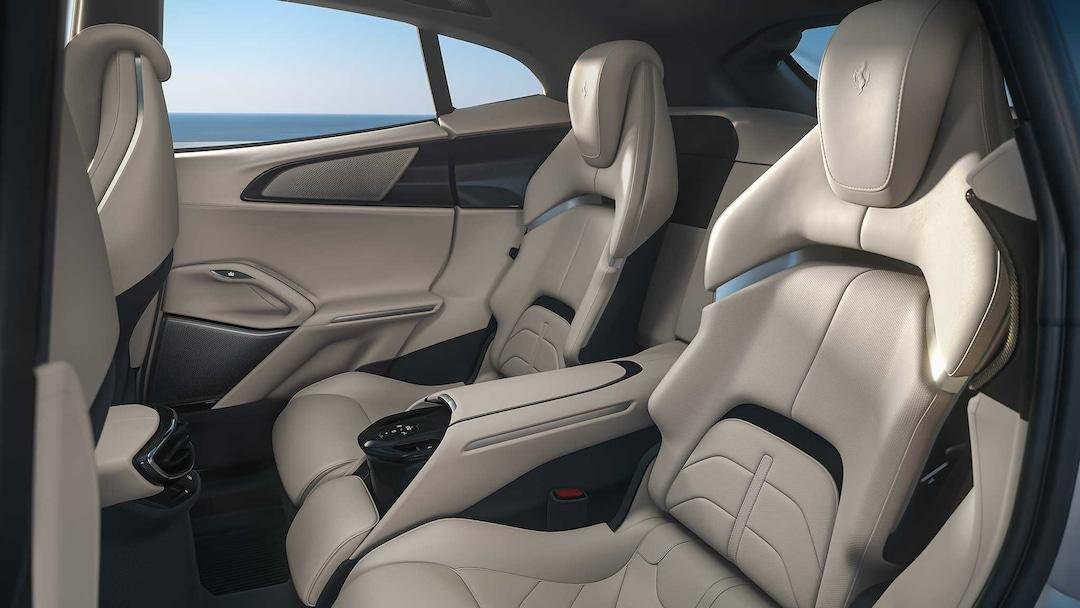
Client perception isn’t the only signal that matters. Employees notice how the company treats its own assets, and a well-maintained fleet says something different than a neglected one about how the business operates generally. This isn’t primarily about morale theater. It’s that inconsistent standards in one visible area tend to reflect, and get read as reflecting, inconsistent standards elsewhere.
Consistency Across a Fleet Matters More Than Any Single Vehicle
One immaculate flagship vehicle and several neglected others sends a worse signal than a fleet held to one consistent, solid standard. People notice the gap, not the peak.
Onboarding a New Vehicle Into an Existing Standard
When a business adds a vehicle, through purchase, lease, or an executive hire who brings one into the fleet, that vehicle needs to be brought up to the same maintenance and documentation standard as the rest immediately, not eventually. A new vehicle that starts on its own timeline rather than the fleet’s existing one is usually the first one to fall out of consistency, and it happens quietly enough that it’s rarely caught until it’s already a problem.
What This Means for Vehicles Used in Client-Facing Situations
A vehicle used to pick up clients or represent the business publicly warrants a proactive readiness standard, not a scramble before a known event. Build it into the schedule, not the panic.
Documentation for Tax and Expense Purposes
Consistent maintenance records also support the business expense and depreciation treatment of company vehicles, a documentation need an individual owner’s personal maintenance records typically don’t have to serve. Organize it as part of regular care, not as a scramble at tax time.
How This Differs From the Build vs. Outsource Question
Whether to build fleet management in-house or bring in outside coordination is a separate decision, covered here. This article addresses a different question: what standards need to apply once vehicles represent the company, regardless of which operational model handles them.
Luxury Car Care for Businesses at a Glance
- Company vehicles carry brand representation risk individually owned vehicles don’t
- Documented maintenance matters for liability when employees or clients are involved
- Personal use of a company vehicle without a clear line creates real insurance and tax ambiguity
- Fleet-wide consistency matters more than peak condition in any single vehicle
- A newly added vehicle should meet the existing standard immediately, not eventually
- Maintenance documentation supports business expense and depreciation treatment
FAQs About Concierge Services for Corporate Car Fleets in Miami
1. Why does a company vehicle need different care standards than a personal vehicle?
Because it reflects on the business, not just the individual using it, which raises both the appearance standard and the liability stakes involved.
2. Does it matter if executives use a company vehicle for personal trips too?
It can, for insurance, liability, and tax purposes. A clear policy or log for business versus personal use protects the business if that distinction is ever questioned.
3. What should happen when a new vehicle joins the fleet?
It should be brought up to the same maintenance and documentation standard as the rest immediately, since a vehicle on its own separate timeline is usually the first to fall out of consistency.
4. Does this replace deciding whether to manage a fleet in-house or outsource it?
No. That’s a separate operational decision. This addresses what standards apply once vehicles represent the business, regardless of which model handles them.
Setting the Right Standard for Vehicles That Represent Your Business
Company vehicles carry brand and liability stakes an individual’s personal car doesn’t. Car management built around consistent, documented care across every vehicle protects both the vehicles and the business behind them. If you’re still deciding how to structure fleet oversight operationally, start there alongside this.
Align your fleet operations with executive-grade standards by contacting Andromeda Crown.
Stay ahead of the game, Subscribe to our newsletter now.