Most owners who notice sticky Ferrari buttons make one of a handful of predictable mistakes before ever calling a specialist, and several of these mistakes make the eventual proper repair harder, not easier.
Common Mistake One: Reaching for Household Cleaners First
Alcohol-based cleaners and other common household solutions can accelerate the coating’s breakdown or strip color unevenly, leaving a surface in worse condition than the original stickiness.
Common Mistake Two: Aggressive Scrubbing or Scraping
Physically scraping at sticky residue can push degraded material into button seams and surrounding trim gaps, spreading the problem into areas that weren’t originally affected.
Common Mistake Three: Using Automotive Interior Wipes Not Designed for This Coating
General-purpose interior wipes aren’t formulated for this specific degraded coating chemistry, and regular use can accelerate the same breakdown process already underway.
Common Mistake Four: Waiting Until Multiple Components Are Affected
Addressing one sticky button while ignoring others showing early signs means returning for repair again shortly after, since the same conditions affecting one component are affecting adjacent ones on the same timeline.
Key Takeaways
Household cleaners and aggressive scrubbing can worsen sticky button damage rather than fix it. Factory-match restoration means matching original color, texture, and finish precisely, not just eliminating stickiness. A comprehensive assessment addressing all affected components at once is more efficient than repairing them one at a time.
What If a DIY Attempt Has Already Been Made?
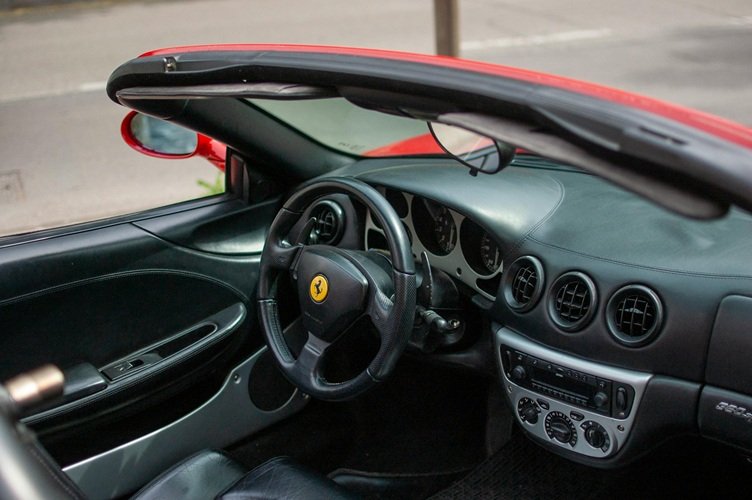
If household cleaners or scrubbing have already been tried before calling a specialist, disclosing exactly what was used and how the surface was handled gives the specialist accurate information to work from. A specialist unaware that a specific chemical was already applied may misjudge how the underlying material will respond to restoration technique, which is why this detail matters more than it might seem.
What Factory Interior Restoration Actually Requires
Restoring a component to genuine factory-match standard means matching original color precisely, replicating original surface texture and sheen level, and ensuring the restored piece is indistinguishable from unaffected adjacent components under normal lighting.
A Scenario Showing What a Failed Match Actually Looks Like
An owner has one console button refinished after it became noticeably sticky, satisfied that the tackiness is gone. Weeks later, comparing it directly against the untouched buttons beside it in daylight, a subtle sheen difference becomes obvious, the repaired button reflects light slightly differently than its neighbors. The stickiness is genuinely fixed. The factory-match standard wasn’t actually met, and now the mismatch is more visually noticeable than the original problem was to the touch. This is exactly why verifying the match matters as much as verifying the fix.
The Factory-Match Test: A Way to Verify Before Accepting the Work
After restoration, comparing the repaired component directly against an unaffected adjacent piece under natural daylight, not just interior lighting, reveals whether color and sheen genuinely match. Viewing from a slight angle, not straight on, often reveals sheen differences that a direct viewing angle can miss entirely. This takes a minute and catches exactly the kind of mismatch described above before considering the job complete.
Why Color and Texture Matching Is Harder Than It Sounds
Ferrari’s original interior coatings were applied at specific factory specifications that can vary subtly between production years and even individual production runs.
Why Addressing Every Affected Component at Once Actually Saves Money
Beyond avoiding repeat visits, restoring multiple components in one session often means matching color and texture across a consistent batch, applied under the same conditions, rather than trying to match a new repair to an older one done separately, which can introduce its own subtle inconsistency between repairs done at different times.
Professional Ferrari Interior Cleaning Miami: Where Cleaning and Restoration Diverge
Standard interior cleaning addresses dirt and general wear. Once a component has progressed to actual coating degradation, this is a restoration problem requiring different technique entirely.
Ferrari Sticky Button Specialist Miami: Verifying Genuine Expertise
A specialist should speak specifically to how they match original factory finish, not just that they “fix sticky buttons.”
When the Issue Has Spread Beyond Buttons Alone
For interiors where degradation has affected larger trim panels or multiple surface types beyond individual buttons, this shifts from a targeted repair into a broader interior restoration conversation, where the same factory-match principle applies but across a larger, more involved scope.
Benefits of Ferrari Button Restoration Service Beyond the Obvious
Beyond restoring the tactile experience, proper factory-match restoration preserves the interior’s overall consistency and supports the vehicle’s documented condition for future appraisal.
Common Mistakes and Restoration Standards at a Glance
- Household cleaners and aggressive scrubbing can accelerate damage rather than fix it
- Disclosing any prior DIY attempt to a specialist helps them accurately assess the material’s condition
- The factory-match test, comparing repaired and unaffected components under daylight, verifies quality before accepting the work
- Addressing all affected components in one batch produces more consistent color and texture matching
- Coating specifications can vary subtly between production years, requiring model-specific expertise
Frequently Asked Questions
1. Can household cleaners actually make sticky Ferrari buttons worse?
Yes, in some cases. Certain cleaners accelerate the coating’s breakdown or strip color unevenly, complicating what a specialist has to work with afterward.
2. How can I tell if a completed restoration actually matches the original factory finish?
Compare the repaired component against an unaffected adjacent piece in natural daylight, viewed from a slight angle, which reveals color and sheen differences a direct, indoor viewing might miss.
3. Should I tell a specialist if I already tried cleaning the buttons myself?
Yes. Disclosing exactly what was used helps the specialist accurately assess how the material will respond to restoration technique.
4. Is it cheaper to restore all affected buttons at once rather than one at a time?
Generally yes, since restoring a consistent batch under the same conditions produces better color matching than trying to match a new repair to an older, separately-done one.
Restoration Done to the Standard That Actually Matters
Sticky Ferrari buttons deserve genuine factory-match restoration, verified against unaffected components before accepting the work, not just a functional fix. Interior detailing coordination with genuine, model-specific restoration expertise, ready to handle broader interior restoration if the issue has spread, and informed by why this develops in Miami’s climate, addresses both the problem and the standard it should be fixed to.
Contact us today to schedule your repair, or join a membership plan here to connect with our expert network for ongoing care and peace of mind.
Thank you for reading! If you enjoyed this post and want to stay updated on the latest in luxury cars, subscribe to our newsletter for exclusive insights, tips, and more. We’d love to hear your thoughts—please leave a comment below with your feedback on this post or let us know what topics you’d like us to cover in the future. Your input helps us create content that truly interests you!