Why Ferrari Buttons Get Sticky in Miami

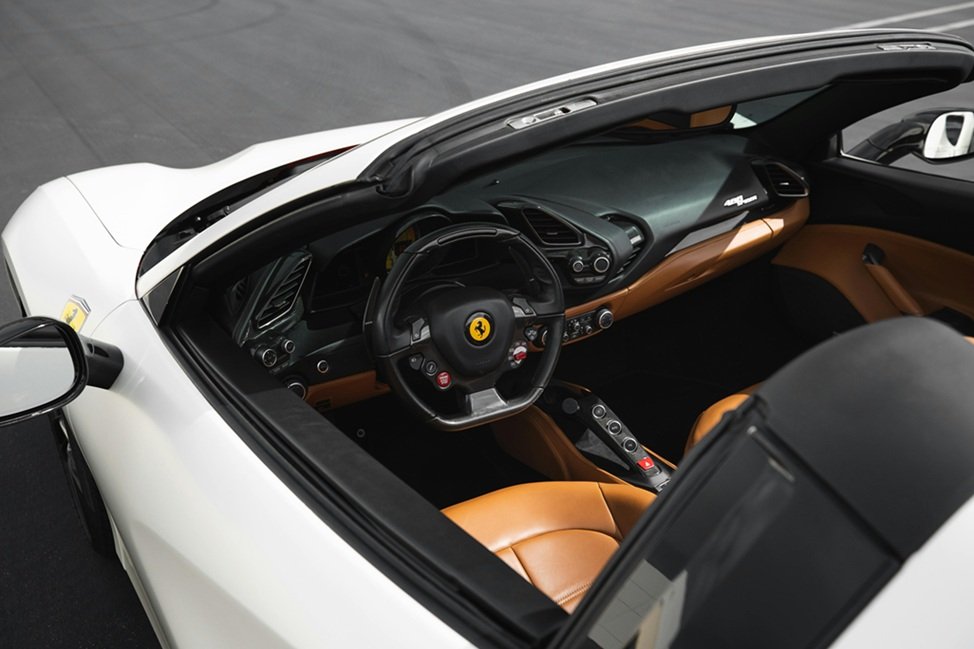
A 458 Italia parked outside a Brickell high rise for three summer months had its start button and climate control toggles turning tacky to the touch, the plastic surface developing a faint film that transferred onto fingertips like old tape residue, while the same model garaged in Aspen showed no such change after two full years. The difference was not the car. It was the climate.

Why Ferrari buttons get sticky in Miami comes down to a specific chemical reaction between the soft-touch coating manufacturers used on interior switchgear during a particular production era and sustained heat and humidity exposure, a reaction that breaks down the coating’s polyurethane binder and leaves a tacky residue on the surface. Left untreated, the degraded coating can transfer to a driver’s hands, attract dust that worsens the tackiness, and in some cases interfere with the button’s tactile function, turning a cosmetic issue into a usability problem.

A specific material fact explains why this happens faster in South Florida than almost anywhere else Ferraris are driven: soft-touch coatings degrade through hydrolysis, a moisture-driven chemical breakdown that accelerates dramatically above certain humidity and temperature thresholds, conditions Miami’s climate sustains for most of the year rather than a few weeks. Understanding hydrolysis as the actual mechanism, rather than assuming the buttons are simply aging or wearing out, changes how an owner should think about prevention and timing repair before the coating fully breaks down.

The interior heat mechanism behind why Ferrari buttons get sticky in Miami

Why Ferrari buttons get sticky in Miami is explained by hydrolysis, a moisture-driven chemical breakdown of the soft-touch polyurethane coating applied to interior switchgear during certain production years, accelerated by sustained heat and humidity. A person asking what actually makes the buttons tacky is really asking whether it’s a manufacturing defect or an environmental reaction, and the honest answer is environmental: the coating itself was never engineered to withstand years of consistent tropical humidity. Prevent Ferrari sticky buttons Florida owners ask about typically involves limiting direct humidity exposure through climate-controlled storage, since the reaction accelerates specifically under sustained moisture rather than occasional exposure.

What to know about the sticky button reaction

  • Soft-touch coating hydrolysis is a chemical breakdown, not physical wear, meaning frequency of button use has little effect on how quickly the tackiness develops.
  • Cost to fix Ferrari sticky buttons Miami work typically involves stripping the degraded coating and refinishing the affected components rather than simple cleaning.
  • Climate-controlled garage storage measurably slows the hydrolysis reaction compared to a vehicle left in an uncontrolled Miami garage or driveway.
  • A Ferrari button restoration specialist Miami owners consult should test the coating type on the specific model year, since not every production run used the same affected material.
  • Attempting to clean tacky buttons with household solvents can worsen the residue rather than remove it, since many solvents react with the degrading coating itself.

Why Ferrari Buttons Get Sticky in Miami – The Science and Statistics

The National Centers for Environmental Information (NCEI) reports that Miami has an average relative humidity of about 74% throughout the year. Due to the high humidity, soft-touch coatings on Ferrari buttons wear out fast, so the buttons start to feel sticky and cause discomfort.

  • The Journal of Coatings Technology and Research found that UV rays can cause the deterioration of automotive interior plastics and coatings by as much as 50% over 3-5 years in South Florida. As a result of this, Ferrari buttons often become sticky and develop a discoloration.
  • The original soft-touch coating used on many of these buttons contains polyurethane-based materials. The high heat and humidity of a climate like Miami’s cause a chemical breakdown of these polymers, leading to the sticky, gooey texture.
  • In a sealed vehicle, ambient temperatures can climb significantly higher than the outside temperature, creating a mini “oven” effect that accelerates the chemical degradation process of the plastic coatings.
  • Frequent use of the buttons, combined with skin oils and sweat, further contributes to the breakdown of the coating, making the issue more prevalent on high-touch surfaces like the window controls, AC panel, and stereo buttons.
  • The sticky button issue affects a wide range of popular Ferrari models from the late 1990s through the 2000s, including the F355, 360 Modena, F430, and 612 Scaglietti, making it a common concern for owners in hot climates.

Step-by-Step Guide to Fixing Sticky Ferrari Buttons

Since Ferrari engines are so impressive, the car’s interior should be equally stunning. However, the real question is: why Ferrari buttons get sticky in Miami? The intense heat, heavy humidity and strong UV rays in South Florida can ruin many Ferrari cars’ soft-touch coatings.

This quick guide will teach you how to fix and prevent Ferrari sticky buttons in Florida.

Step 1: Pinpoint the Problem

Start by identifying which buttons feel sticky or rubbery. Common offenders include:

  • Window switches
  • AC controls
  • Gear selectors
  • Infotainment knobs

These areas degrade quickest due to frequent use and exposure to body oils, sunscreen, and intense Miami sun.

Step 2: Avoid At-Home Remedies

Avoid scrubbing with alcohol, Goo Gone, or acetone-based cleaners. These DIY attempts often make things worse, melting or smearing the finish.

Instead, gently wipe affected buttons with:

  • A dry microfiber cloth
  • A soft detailing brush
  • Warm distilled water (only if necessary)

But remember—this is temporary. If you’re in South Florida, the real fix lies in hiring a Ferrari button restoration specialist in Miami.

Step 3: Book a Professional Restoration

Professional detailers specializing in exotic interiors know exactly why Ferrari buttons get sticky in Miami—and how to fix it properly.

A Ferrari button restoration specialist in Miami will:

  • Strip the degraded soft-touch coating
  • Refinish buttons with OEM-matched or upgraded materials
  • Ensure the new coating resists future humidity damage

This is the most effective solution, offering results that last years.

Step 4: Choose the Right Fix

Depending on your Ferrari’s model and the extent of damage, options include:

  • Full refinishing of the interior trim
  • Individual button replacement
  • Hybrid solutions (refinishing some parts, replacing others)

For most collectors, the cost to fix Ferrari sticky buttons in Miami varies, largely depending on the complexity and detail of the restoration required.

Step 5: Protect Against Future Stickiness

After restoration, take proactive steps to prevent Ferrari sticky buttons in Florida:

  • Park in a climate-controlled garage
  • Use windshield sunshades
  • Avoid touching buttons with sunscreen or oily hands
  • Regularly detail the interior with Ferrari-safe products

These simple habits can extend the life of your newly restored interior.

Step 6: Maintain and Monitor

Keep a close eye on frequently touched controls. Schedule inspections with your restoration specialist annually, especially before summer. Document all work done to preserve resale value.

Your Ferrari deserves more than a sticky-button experience. With proper care and expertise, you can ensure your vehicle’s interior matches the level of luxury under the hood. Don’t let the Miami heat dictate your driving experience—now you know exactly why Ferrari buttons get sticky in Miami, and how to stop it.

How to Prevent Sticky Buttons – Care Tips for Your Ferrari in Miami

Here’s what seasoned collectors and detailing professionals recommend to protect your investment.

1. Never Leave Your Ferrari Baking in the Sun

Miami’s heat is no joke. When interior temps soar past 130°F, your Ferrari’s soft-touch button coatings begin to break down. This is one of the main reasons why Ferrari buttons get sticky in Miami.

Tip:

  • Park in a shaded or covered area whenever possible
  • Use high-quality windshield sunshades
  • Consider investing in a ventilated, climate-controlled garage
2. Don’t Touch Buttons with Oily Hands

Lotions, sunscreens, and even natural skin oils accelerate coating breakdown. This often leads to the dreaded tacky texture Miami Ferrari owners know too well.

Quick fix:

  • Keep microfiber gloves in the glovebox
  • Wipe your hands before driving if you’ve applied lotion or SPF

Remember, when asking why Ferrari buttons get sticky in Miami, the answer often lies in day-to-day habits.

3. Routine Interior Detailing—The Right Way

Luxury cars need luxury care. Skip the $40 car wash and instead:

  • Hire exotic-focused detailers
  • Ensure they use non-abrasive, pH-neutral products
  • Ask specifically for soft-touch-safe cleaning techniques

A qualified Ferrari button restoration specialist in Miami can recommend detailers who understand the delicate materials inside these exotic vehicles.

4. Add Ceramic or UV-Blocking Coatings

Yes, you can coat interior buttons just like you do paint. Advanced protective films and nano-coatings are now available for interiors. These solutions:

  • Block UV rays
  • Prevent soft-touch degradation
  • Make surfaces easier to clean

This is a smart, proactive way to prevent Ferrari sticky buttons in Florida before they ever become a costly issue. Refer to our blog: Best Professional Auto Detailing Services in Miami for Luxury Cars.

5. Avoid Aftermarket Accessories That Generate Heat

Interior gadgets like wireless chargers, heated phone holders, and high-powered LED ambient lights can increase localized temperatures around the console, fast-tracking soft-touch failure.

Pro tip: Stick with Ferrari OEM accessories or consult a Ferrari button restoration specialist in Miami before making modifications.

Following these simple steps can prevent Ferrari sticky buttons in Florida more effectively.

Troubleshooting Common Sticky Button Issues

Ferrari sticky buttons issue

Understanding why Ferrari buttons get sticky in Miami is the first step to solving the problem quickly and effectively. Miami’s hot, humid climate causes the soft-touch coatings on Ferrari buttons to degrade, resulting in that unpleasant sticky or tacky feel. If you notice this, here’s how to troubleshoot the issue before it worsens.

  • Issue: Not every button is sticky, only some of them are.

Solution: Usually, it happens when lotions, sunscreen or spills come in contact with the button. Use a microfiber cloth and distilled water to gently clean the area. Don’t use strong cleaners, as they may affect the coating on your car.

  • Issue: Stickiness is all over the buttons.

Solution: The reason is likely the hot and humid Miami climate which causes the coating to break down over a wide area. Calling professional restoration services is the best way to repair this.

  • Issue: Buttons feel sticky despite regular cleaning.

Solution: The soft-touch coating may have started to break down. Ask a Ferrari button expert in Miami to help you restore your buttons.

In short, knowing why Ferrari buttons get sticky in Miami empowers you to act early, saving time, money, and preserving your Ferrari’s luxurious interior.

Ferrari Sticky Buttons – Fun Facts

  • Ferrari’s soft-touch interiors began in the 90s, originally praised for their luxurious feel.
  • Miami’s average humidity is over 70%, a leading factor in why Ferrari buttons get sticky in Miami.
  • The Ferrari 488 Spider and California T are among the most common models reported with sticky button issues.

FAQs on Ferrari Sticky Button Repair

1. Can I clean sticky Ferrari buttons myself, or do I need a specialist?

A microfiber cloth and distilled water may work for a while, but when the stickiness continues, you should consult a Ferrari button restoration expert in Miami.

2. Does regular interior detailing prevent Ferrari buttons from getting sticky?

Regular professional detailing with the right products can significantly help prevent stickiness by removing contaminants and protecting coatings.

3. How much does it typically cost to fix Ferrari sticky buttons in Miami?

The cost for professional Ferrari sticky button repair in Miami varies significantly based on the number of buttons affected and the overall complexity of the restoration. Prices can range from a few hundred to multiple thousands of dollars.

4. What products should I avoid to prevent damaging my Ferrari’s buttons?

Don’t use alcohol or rough chemical cleaners, since they can increase stickiness and harm the coatings.

5. How can I prevent Ferrari sticky buttons in Florida’s climate?

Try to find a shaded spot or park in air-conditioned garages, not touch anything with greasy hands and use UV-protective coatings suggested by experts.

6. Are sticky buttons a sign of a bigger problem with my Ferrari interior?

Most sticky buttons mean the coating on leather is degrading, but if left unattended, they could point to a more general deterioration inside the vehicle.

7. How long does a professional Ferrari button restoration take in Miami?

Depending on the situation, it can take 3 – 7 days to fix the sticky buttons.

8. Can aftermarket interior accessories cause Ferrari buttons to get sticky?

Yes, some aftermarket accessories generate heat or use chemicals that accelerate coating breakdown, leading to stickiness.

9. Is it possible to fully restore sticky Ferrari buttons to their original condition?

Yes, a trained technician in Miami can often make your Ferrari buttons look as good as new.

Top Mistakes to Avoid with Ferrari Sticky Button Repair

Understanding why Ferrari buttons get sticky in Miami is crucial, but knowing what pitfalls to avoid is just as important to keep your luxury car’s interior pristine. Many owners unintentionally accelerate button deterioration by making common errors, which can quickly lead to costly repairs. Here are some common pitfalls:

1. Ignoring the climate impact: Not understanding why Ferrari buttons get sticky in Miami leads to neglecting proper care and faster deterioration.

2. Leaving the car exposed to direct sunlight: Miami’s intense sun accelerates button coating breakdown, always park in shade or a covered garage.

3. Using harsh cleaning chemicals: Many cleaners damage soft-touch surfaces, worsening stickiness instead of fixing it.

4. Skipping professional help: Trying to fix sticky buttons without expert knowledge can cause permanent damage and increase the cost to fix Ferrari sticky buttons in Miami.

5. Neglecting regular interior detailing: Dirt and oils accumulate, speeding up stickiness. Regular, professional cleanings prevent buildup.

Preserve Your Ferrari’s Pristine Interior

The Miami environment defined by intense heat, persistent humidity, and strong UV exposure—is a primary contributor to the degradation behind sticky Ferrari buttons. Over time, these conditions break down the soft-touch interior coatings, turning refined tactile surfaces into visibly worn or tacky controls.

This issue is preventable when addressed early. Applying guidance from a Ferrari button restoration specialist in Miami, avoiding improper cleaning methods, and engaging qualified professionals can significantly extend the life of your interior finishes and maintain factory-level presentation.

It is important to understand that the cost to fix Ferrari sticky buttons in Miami can increase if early signs of deterioration are ignored. Proactive maintenance is not cosmetic—it is a preservation strategy that protects both interior condition and long-term vehicle value.

Do not let interior wear diminish the driving experience. When addressed correctly, Ferrari interiors can be restored to a condition that reflects the original design intent and craftsmanship.

To begin restoration, contact our team to evaluate your vehicle’s interior condition or explore membership options for ongoing support and preservation services.

For a full overview of available services, view our Luxury Car Detailing Packages & Pricing in Miami.

Thank you for reading! If you enjoyed this post and want to stay updated on the latest in luxury cars, subscribe to our newsletter for exclusive insights, tips, and more. We’d love to hear your thoughts—please leave a comment below with your feedback on this post or let us know what topics you’d like us to cover in the future. Your input helps us create content that truly interests you! 

Source

Share:

Search

Generic selectors
Exact matches only
Search in title
Search in content
Post Type Selectors

Leave A Comment

Leave a Comment

Your email address will not be published. Required fields are marked *

Read more Articles