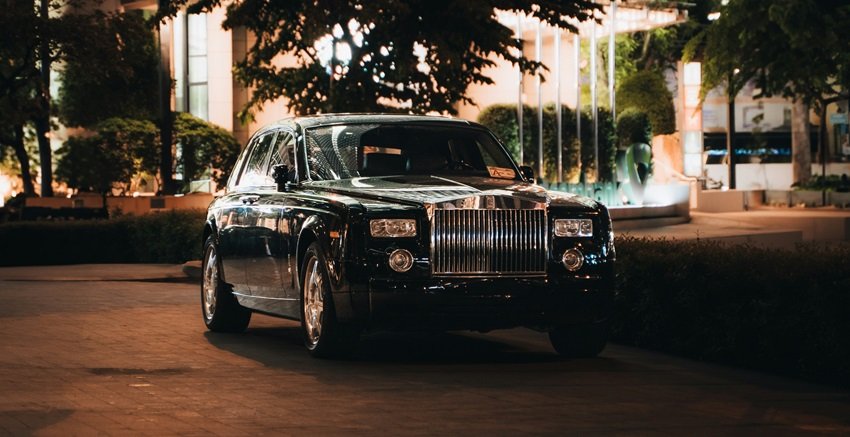
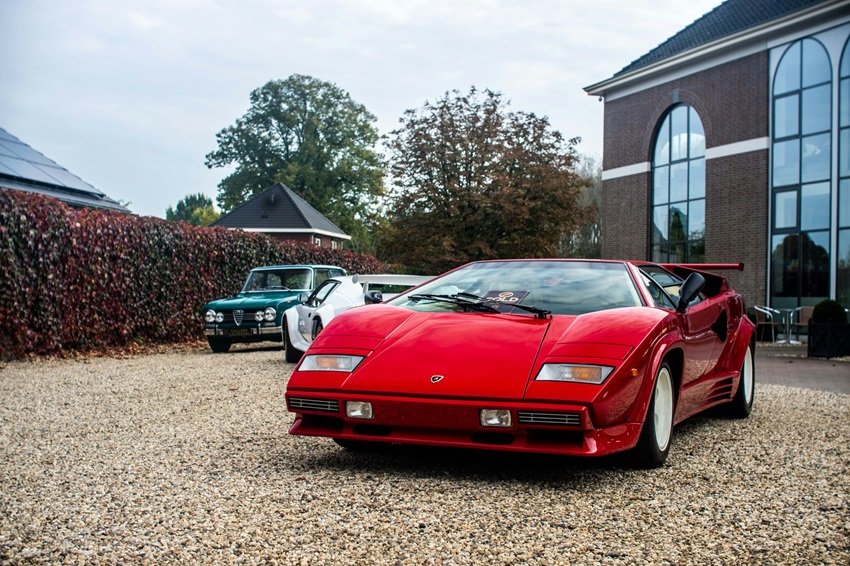
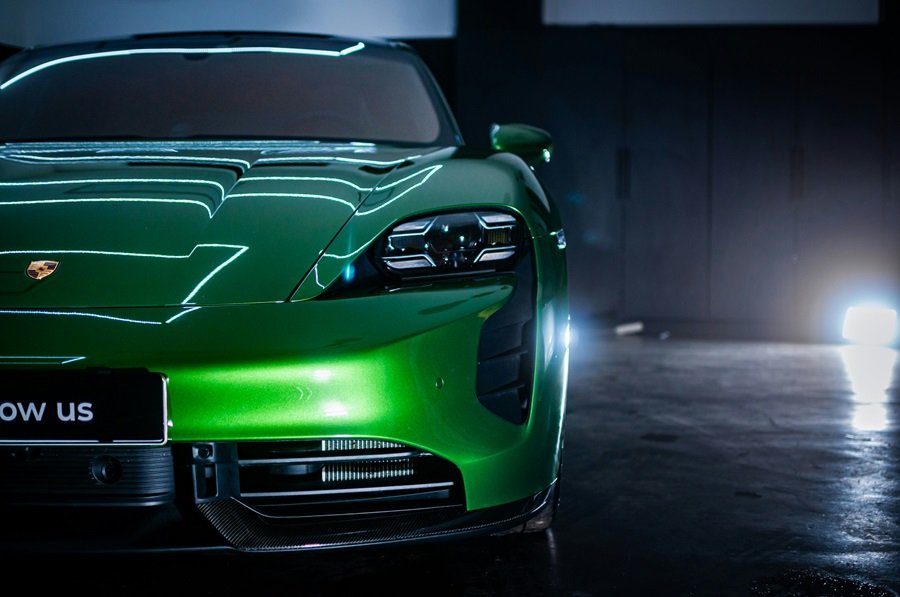
Not every reconditioning expense pays for itself at sale. Some fixes reliably return more than they cost. Others satisfy the seller’s pride without moving the buyer’s offer at all.
Why This Question Matters More Than a General Prep Checklist
A generic “get your car ready to sell” list treats every recommendation as equally worthwhile. Buyers respond strongly to some fixes and barely notice others, regardless of what a seller assumes matters most.
Key Takeaways
Cosmetic and functional issues buyers notice immediately generally return more value per dollar than deep mechanical reconditioning a buyer can’t see. Documentation of reconditioning work supports the asking price more than the work itself in isolation. Luxury car restoration and reconditioning are different scopes, and confusing them leads to overspending.
Why Buyers Actually Behave This Way
It’s not that buyers are shallow. It’s that cosmetic condition is the one thing they can fully verify with their own eyes in the time they have, while mechanical condition requires trusting either the seller’s word or a professional inspection they may or may not commission. A buyer standing in front of the car weighs what they can confirm right now more heavily than what they’d have to take on faith, which is why pristine paint moves an offer faster than a recent, expensive, but invisible drivetrain service.
What Reliably Returns Value
Exterior paint condition and interior cleanliness are what nearly every buyer evaluates first, often before test-driving. Addressing visible cosmetic issues, paint correction, interior detailing, odor elimination, tends to return more of its cost than comparable spending on mechanical items a buyer would need a professional inspection to even notice.
What Usually Doesn’t Pay for Itself
Deep mechanical reconditioning beyond what’s needed to run and pass inspection, replacing components that are functional but not pristine, often costs more than it adds to a buyer’s offer. This isn’t an argument against proper maintenance. It’s the difference between baseline maintenance a buyer expects and reconditioning a buyer will actually pay extra to see.
When the Conventional Wisdom Reverses
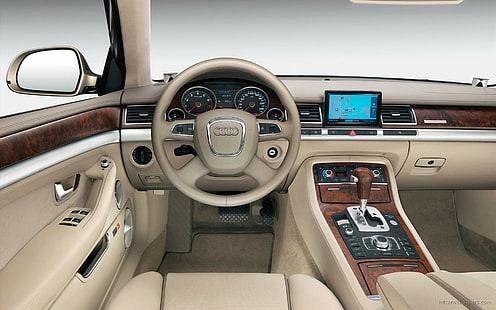
For a small subset of buyers, specifically collectors evaluating a vehicle for its long-term mechanical soundness rather than immediate curb appeal, documented mechanical reconditioning can matter more than cosmetic polish. If the likely buyer pool for a specific vehicle is enthusiast collectors rather than general resale buyers, mechanical documentation shifts from a low-return expense to a genuine differentiator. Knowing which buyer pool applies to your specific vehicle matters more than following a universal rule.
What Happens When a Seller Over-Reconditions
A savvy buyer who notices extensive, expensive-looking cosmetic work paired with an incomplete or absent maintenance history sometimes reads that combination as a red flag rather than a selling point, wondering what the polish might be covering for. Reconditioning that looks disproportionate to the vehicle’s documented history can undermine buyer trust rather than build it, which is a real cost of over-investing in appearance without matching documentation underneath.
The Difference Between Restoration and Reconditioning, and Why It Matters for Cost
Luxury car restoration typically means returning a vehicle closer to original condition across multiple systems. Reconditioning for resale is narrower: addressing what affects a buyer’s immediate impression and the vehicle’s ability to sell at the asking price. Treating resale prep as full restoration when reconditioning would suffice is a common way sellers overspend without a matching increase in offers.
Optimize your vehicle’s market value with targeted auto restoration and customization from Andromeda Crown.
A Concrete Budget Example
Consider a seller with a fixed reconditioning budget for a vehicle expected to sell in the mid six figures. Allocating most of that budget to paint correction, interior detailing, and documented resolution of any visible wear, while leaving mechanical spending to only what’s necessary for proper function, typically returns more per dollar than splitting the same budget evenly across mechanical and cosmetic work. The uneven allocation isn’t a shortcut. It reflects where buyer perception actually forms.
Documentation as Part of the Reconditioning Itself
Whatever work is actually done, keeping a specific record, what was addressed, when, by whom, supports the asking price more effectively than the same work performed without documentation.
A Practical Order of Priority
Address anything mechanically necessary for the vehicle to run properly first, since this is baseline rather than optional. Then cosmetic and interior detailing, since this shapes the buyer’s immediate impression most directly. Then targeted repairs to anything visibly damaged. Full restoration-level work comes last, and often not at all, unless the specific vehicle’s market genuinely commands a premium for that level of condition, or the likely buyer is a collector prioritizing mechanical soundness over polish.
Reconditioning Priorities at a Glance
- Cosmetic and interior condition generally return more value per dollar than deep mechanical reconditioning
- Buyers weigh what they can personally verify more heavily than mechanical claims they’d have to trust
- Documentation supports the asking price more than the work alone, and its absence can make heavy cosmetic work look suspicious
- Collector-focused buyer pools sometimes reverse the usual cosmetic-first priority
- Restoration and reconditioning are different scopes, and confusing them leads to overspending
Frequently Asked Questions
1. Is it worth doing a full mechanical overhaul before selling a luxury vehicle?
Usually not, unless something is genuinely non-functional. Buyers respond more strongly to visible cosmetic and interior condition than to mechanical work they can’t see or verify.
2. What’s the actual difference between restoration and reconditioning for resale purposes?
Restoration means returning a vehicle closer to original condition across multiple systems. Reconditioning for resale addresses what affects a buyer’s immediate impression and sale price, a narrower and usually more cost-effective scope.
3. Does documenting reconditioning work actually affect what buyers will pay?
Yes. A documented, verifiable record supports a buyer’s confidence in the asking price more than the same work described without evidence, and its absence can make extensive cosmetic work look like it’s hiding something.
4. Are there situations where mechanical reconditioning matters more than cosmetic work?
Yes, when the likely buyer is a collector prioritizing long-term mechanical soundness over immediate curb appeal. Knowing your vehicle’s actual buyer pool matters more than following a universal rule.
Spending Where It Actually Matters
The value of pre-sale reconditioning comes from spending on what buyers actually notice and verify, matched with documentation that supports rather than undermines that spending. If you’re also weighing which sale path fits your vehicle, that decision framework is covered here.
Maximize your vehicle’s market return with targeted pre-sale management by contacting Andromeda Crown.
Thanks for reading! For all the latest luxury car care insights, Subscribe to our newsletter now!