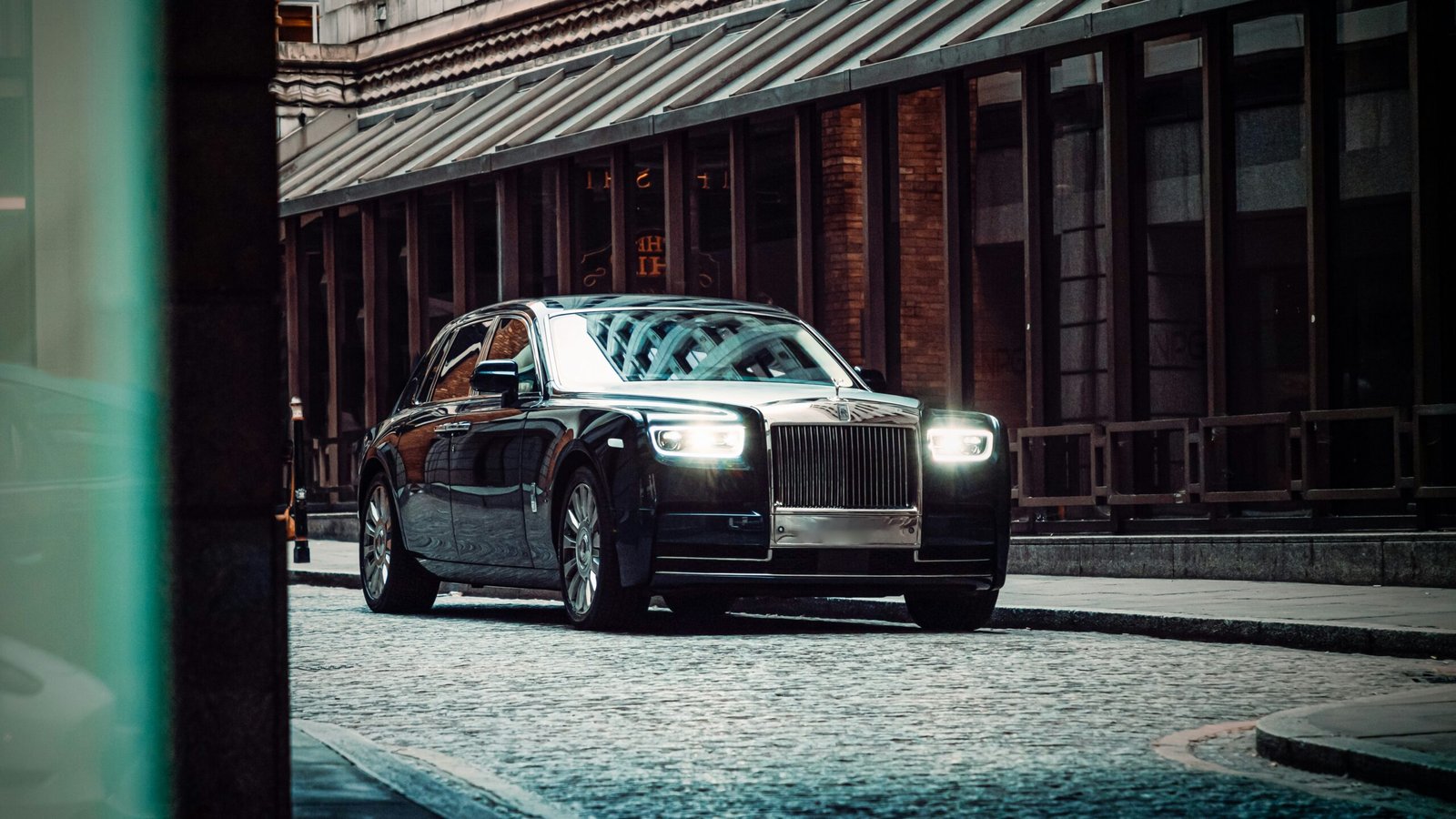
Selling a luxury or exotic vehicle involves more than choosing an asking price and finding a buyer. The right approach depends on the vehicle, its condition, documentation, market demand, the owner’s timeline, and how much involvement the owner wants throughout the process.
A private sale, consignment arrangement, dealer trade-in, or auction can each serve a different purpose. Understanding the differences helps owners evaluate their options before committing to a sales route.
A car sales concierge can help coordinate the process, organize information, communicate with prospective buyers and service providers, and manage the practical details involved in bringing a vehicle to market.
Key Considerations Before Selling a Luxury or Exotic Car
Before deciding how to sell, consider the factors that will influence the process:
- Vehicle and market: The make, model, year, specification, condition, mileage, rarity, and current buyer demand.
- Documentation: Ownership records, service history, repair invoices, original equipment, restoration information, and other supporting paperwork.
- Sale timeline: Whether the priority is a timely transaction, reaching a specialized audience, or exploring different sales channels.
- Owner involvement: How much time the owner can dedicate to inquiries, viewings, negotiations, and transaction coordination.
- Costs and responsibilities: Fees, commissions, preparation expenses, transport arrangements, and the responsibilities assigned to each party.
These considerations provide a starting point for comparing the available sales methods.
Four Ways to Sell a Luxury or Exotic Vehicle

There is no single sales method that is best for every vehicle. Each option involves different levels of control, exposure, coordination, and cost.
1. Private Sale
A private sale involves marketing the vehicle directly to prospective buyers and managing the transaction without a dealer or consignment intermediary.
Potential advantages:
- Greater control over the asking price and negotiation.
- Direct communication with prospective buyers.
- Flexibility in how and where the vehicle is marketed.
Considerations:
- The owner or appointed representative must manage inquiries and buyer screening.
- Viewings, test drives, documentation, and transaction arrangements require coordination.
- Reaching the right audience can take time, particularly for specialized vehicles.
A private sale may suit owners who want direct control and are prepared to manage the process.
2. Dealer Consignment
Under a consignment arrangement, a dealer or specialist sales business markets the vehicle on the owner’s behalf under agreed terms.
Potential advantages:
- Access to the consignment provider’s sales channels and prospective buyers.
- Assistance coordinating inquiries, viewings, and negotiations.
- Less direct involvement for the owner in day-to-day sales activity.
Considerations:
- Commission, fees, and other costs must be understood in advance.
- The agreement should explain pricing authority, marketing responsibilities, vehicle custody, and payment arrangements.
- The owner should clarify how offers and negotiations will be communicated.
Consignment can be useful when an owner prefers professional sales support but wants to retain ownership until the vehicle is sold.
3. Dealer Trade-In or Direct Purchase
A dealer may offer to purchase the vehicle directly or accept it as a trade-in toward another vehicle.
Potential advantages:
- A potentially simpler transaction.
- Fewer responsibilities for the owner in marketing and buyer coordination.
- A practical option when the owner is purchasing another vehicle.
Considerations:
- The proposed purchase or trade-in value should be assessed against relevant market information.
- Trade-in figures may be influenced by the vehicle being purchased, dealer inventory needs, and transaction structure.
- The owner should compare the complete financial terms rather than looking only at the trade-in figure.
This route may be appropriate when convenience and transaction simplicity are more important than managing an independent sale.
4. Auction
An auction introduces the vehicle to registered bidders through a scheduled sale. Depending on the auction house and format, the audience may include collectors, dealers, and other interested buyers.
Potential advantages:
- Exposure to an audience interested in particular vehicle categories.
- A defined sale event and bidding process.
- Potential competition between bidders when demand is strong.
Considerations:
- Seller fees, buyer premiums, reserves, and sale conditions vary.
- A vehicle may not meet its reserve or attract the expected level of bidding.
- Preparation, photography, documentation, and auction scheduling require advance coordination.
Auction results depend on the vehicle, its presentation, the audience, timing, and market conditions. An auction does not guarantee a particular sale price.
How to Evaluate the Right Sales Route
The best route is the one that aligns with the owner’s objectives and the vehicle’s circumstances. Consider the following comparison:
| Sales method | Owner involvement | Important consideration |
|---|---|---|
| Private sale | Generally higher | Direct control and responsibility for the process |
| Consignment | Shared with the provider | Commission, agreement terms, and sales responsibilities |
| Dealer purchase or trade-in | Generally lower | Compare the complete offer and transaction terms |
| Auction | Varies by arrangement | Fees, reserve, timing, and bidder interest |
Before making a decision, compare the expected costs, responsibilities, timing, and level of control associated with each option. A higher advertised asking price does not necessarily mean a higher final amount received by the seller.
Why Vehicle Documentation Matters
Organized documentation helps prospective buyers understand a vehicle’s ownership and maintenance history. It also allows questions to be addressed with supporting information rather than relying solely on verbal descriptions.
Depending on the vehicle, useful records may include:
- Title and ownership documentation.
- Service and maintenance history.
- Repair invoices and parts records.
- Restoration documentation and photographs.
- Records of originality, specification, or significant options.
- Previous sales documentation, where available.
- Manuals, accessories, keys, and other items supplied with the vehicle.
Not every vehicle will have a complete history. Missing records should be identified accurately rather than assumed or reconstructed. Owners should also confirm that the title and other transaction documents are in order before proceeding with a sale.
Preparing the Vehicle for the Market
Presentation and preparation should be appropriate to the vehicle and its intended audience. A recently maintained modern exotic, an original classic, and a restored collector car may require different approaches.
Before marketing the vehicle, consider:
- Reviewing its current condition and identifying any items that should be disclosed.
- Organizing available service, ownership, and restoration records.
- Confirming which original accessories, keys, and equipment are included.
- Arranging appropriate photography and a clear vehicle description.
- Coordinating detailing or other preparation when suitable.
- Establishing how inquiries, viewings, and test drives will be handled.
Preparation should not conceal defects or misrepresent the vehicle’s history. Clear descriptions and accurate records help establish realistic expectations between seller and prospective buyer.
What Does a Car Sales Concierge Coordinate?
A car sales concierge helps the owner manage the practical work involved in preparing and coordinating a vehicle sale. The scope depends on the owner’s requirements and the agreed service arrangement.
This may include:
- Reviewing the owner’s objectives and preferred sales approach.
- Helping organize available vehicle information and documentation.
- Coordinating independent specialists when condition assessments or preparation services are needed.
- Assisting with communication between the owner, sales providers, and prospective buyers.
- Coordinating vehicle presentation, transportation, and viewing arrangements through selected third parties.
- Tracking outstanding tasks and keeping the owner informed during the process.
The concierge’s role should be clearly defined. Some providers sell vehicles directly, while others act as coordinators or the owner’s representative. Owners should confirm who is responsible for marketing, negotiations, custody, transaction documents, and payment.
Questions to Ask Before Appointing a Sales Concierge
Before engaging a provider, clarify the scope of work and how the arrangement will operate.
- What services are included? Ask which activities are handled directly and which are coordinated through outside providers.
- How are sales channels selected? Understand how private sale, consignment, dealer purchase, or auction options are evaluated.
- How are fees structured? Request details of retainers, commissions, preparation costs, and other potential expenses.
- Who controls the asking price and negotiations? Establish whether the provider can make offers or pricing decisions on your behalf.
- Who handles the vehicle and its documentation? Clarify custody, access, transportation, records, and transaction responsibilities.
- How will progress be reported? Agree on communication frequency and how offers, inquiries, and important decisions will be presented.
A written agreement should set out the responsibilities of the owner and provider before work begins.
How Andromeda Crown Supports Luxury and Exotic Car Sales
Andromeda Crown assists collectors and luxury vehicle owners with the coordination of vehicle sales and acquisitions in Miami.
Our role is to help organize the process around the owner’s objectives, from reviewing the available sales routes and coordinating vehicle preparation to managing communication and related logistics through selected third-party providers.
The scope is tailored to the vehicle and the requirements of each engagement. Andromeda Crown is not a dealership and does not maintain vehicle inventory for retail sale. We work in a coordinating and advisory capacity, helping owners manage the details involved in a sale.
For owners who also require ongoing oversight of their vehicles or collections, our automotive asset management services provide a broader approach to coordinating vehicle-related requirements.
Frequently Asked Questions
1. What is a luxury car sales concierge?
A luxury car sales concierge helps an owner coordinate the process of selling a high-value vehicle. Depending on the agreement, this can include evaluating sales routes, organizing documentation, coordinating preparation, communicating with sales providers, and managing related logistics.
2. Is it better to sell a luxury car privately or through a dealer?
It depends on the vehicle, market demand, sale timeline, and the owner’s priorities. A private sale offers more direct control but requires more involvement. A dealer transaction may be simpler, while consignment or auction can provide access to different buyer audiences. Compare the full costs and terms before deciding.
3. Does consignment guarantee a higher selling price?
No. Consignment provides a sales arrangement and access to a provider’s marketing channels, but it does not guarantee a particular result. The final outcome depends on the vehicle, asking price, market conditions, buyer demand, and agreement terms.
4. What documents should I prepare before selling my exotic car?
Gather the title and ownership documents, service records, repair invoices, restoration information, manuals, keys, and details of included equipment. The records available will vary by vehicle. Be transparent about missing or incomplete documentation.
5. Can a car concierge coordinate an auction or private sale?
A concierge may help compare sales routes and coordinate the related arrangements, depending on the agreed scope. The auction house, dealer, consignment provider, or other sales intermediary remains responsible for the activities assigned to it under its agreement.
6. Does Andromeda Crown buy or sell cars directly?
Andromeda Crown is not a dealership and does not maintain retail vehicle inventory. We assist owners by coordinating sales-related requirements and working with relevant third-party providers.
Coordinating the Sale of Your Luxury or Exotic Car
Selling a collector’s or exotic vehicle involves decisions about pricing, presentation, documentation, sales channels, and transaction logistics. Having a clearly defined process can make those responsibilities easier to manage.
Andromeda Crown works with luxury vehicle owners and collectors in Miami to coordinate sales and acquisition requirements around their individual objectives.
To discuss your vehicle and the assistance you may need, contact Andromeda Crown.