A classic car collection built around a specific model, era, or theme tells a coherent story a scattered assortment of unrelated classics doesn’t, and that coherence affects both the collecting experience and the collection’s eventual value.
Why a Themed Collection Differs From a Restoration Project
Restoring one classic vehicle is a bounded project with a clear endpoint. Building a themed collection is an ongoing curatorial decision that shapes which vehicles get acquired and which get passed over.
Key Takeaways
A cohesive classic car model collection tells a specific story rather than accumulating unrelated vehicles. Restoration decisions for a themed collection should preserve meaningful distinctions between examples. Themed collections are often easier to value, present, and eventually sell as a unit than a scattered assortment.
A Concrete Example of the Difference
Three examples of the same model spanning a manufacturer’s key production changes, an early version, a mid-cycle refresh, a final iteration, tell a specific, documentable story about how that model evolved. Three unrelated classics from different marques and eras, each individually excellent, tell no story at all beyond “these were all available for purchase at some point.” Both represent real financial investment. Only one represents a collection someone can meaningfully explain, present, and eventually sell as a coherent unit rather than three separate transactions.
Choosing a Theme Before Acquiring
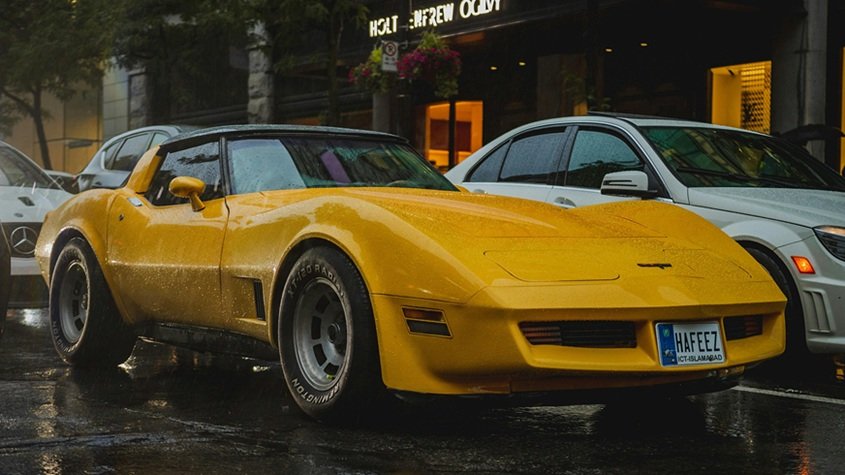
A model-year progression, an era focus, or a marque-specific arc are three common organizing approaches. Deciding this before acquiring makes each subsequent acquisition decision genuinely easier rather than another isolated judgment call.
The Trade-Off Most Collectors Don’t Anticipate
Theme discipline has a real cost: passing on a genuinely excellent, appealing vehicle simply because it doesn’t fit the collection’s organizing theme. This is harder in practice than it sounds, since the vehicle in front of you is concrete and the future coherence you’re protecting is abstract. Collectors who maintain this discipline consistently tend to end up with more valuable, more presentable collections. Collectors who don’t tend to end up with something that reads, honestly, more like an accumulation than a collection, regardless of how good any individual vehicle is.
When Breaking Theme Discipline Might Actually Be Worth It
Occasionally a vehicle appears that’s genuinely significant enough, rare enough, historically important enough, that it’s worth acquiring even outside the collection’s stated theme. The honest test isn’t whether the vehicle is excellent. It’s whether its significance stands entirely on its own, independent of the collection, such that it would justify a separate, standalone acquisition rather than needing to be justified as part of the existing theme. If it only makes sense within the collection’s framing, that’s a sign the appeal is opportunistic, not a genuine exception.
Restoration Choices That Serve the Collection, Not Just the Vehicle
For a themed collection, restoration decisions should consider what makes each specific example distinct within the larger story. Restoring every vehicle to an identical, generic standard can undermine a collection built around showing genuine variation across model years.
Why Gaps Matter as Much as What You’ve Already Acquired
Identifying which specific examples are missing from a model-year progression, and being deliberate about acquiring toward those gaps, is what separates an intentional collection from an accumulation that happens to share a rough theme.
Coordinating Acquisition Timing Across Multiple Vehicles
Building toward a themed collection often happens over years, not a single buying spree, since specific examples become available on their own timeline, not the collector’s. Tracking which gaps remain and staying patient for the right example, rather than settling for an available but imperfect fit just to fill a gap faster, generally produces a stronger collection than rushing acquisition to complete the story sooner.
What Happens If a Themed Collection Is Later Broken Up
A collection built around a coherent story is often worth more sold as a documented, intact unit than broken apart and sold vehicle by vehicle, since the story itself, the completeness, the documented relationship between examples, disappears the moment the pieces are separated. This is worth considering even at the acquisition stage, since it affects how much of the collection’s eventual value depends on staying together.
Documenting the Collection as a Whole, Not Just Each Vehicle
Beyond individual vehicle records, a themed collection benefits from documentation explaining the collection’s organizing logic itself. This supports value at appraisal or sale in a way individually-documented but thematically unconnected vehicles don’t.
Classic Car Collection Building at a Glance
- A themed collection tells a coherent story, unlike a scattered assortment of unrelated classics
- Theme discipline means occasionally passing on excellent vehicles that don’t fit the story
- A genuine exception to theme discipline should stand on its own significance, not need the collection to justify it
- Patient, gap-driven acquisition generally outperforms rushing to complete the story
- A themed collection is often worth more intact than broken up and sold piecemeal
Frequently Asked Questions
1. Does a classic car collection need a specific theme to have value?
Not strictly, but a coherent, themed collection is often easier to value, present, and sell as a unit than an unrelated assortment.
2. Should I ever buy a vehicle that doesn’t fit my collection’s theme?
Occasionally, if the vehicle’s significance stands entirely on its own rather than needing the collection to justify the purchase. If it only makes sense within the collection’s framing, that’s usually a sign to pass.
3. Is it better to complete a themed collection quickly or acquire patiently over time?
Patient, gap-driven acquisition generally produces a stronger result than rushing to fill gaps with an available but imperfect fit.
4. Does breaking up a themed collection for individual sales affect its value?
Often yes. A collection’s documented story and completeness typically add value that disappears once the vehicles are separated and sold individually.
Building With Intention, Not Just Accumulating
A classic car collection organized around a genuine theme tells a story that adds value beyond any individual vehicle’s condition. Restoration and customization oversight that preserves meaningful variation across a themed collection, mechanical coordination suited to each specific example’s era, and storage and documentation practices that capture the collection’s organizing logic together support both the collecting experience and its long-term value as a coherent whole.
Thank you for reading! If you enjoyed this post and want to stay updated on the latest in luxury cars, subscribe to our newsletter for exclusive insights, tips, and more. We’d love to hear your thoughts—please leave a comment below with your feedback on this post or let us know what topics you’d like us to cover in the future. Your input helps us create content that truly interests you!
Source
- Luxury Car Auctions: https://www.luxurycarauctions.com/most-expensive-cars