Paint protection film manufacturers typically warranty their premium products for eight to ten years, but that number assumes ideal conditions most Miami vehicles don’t actually experience. Real-world lifespan depends on film quality tier, installation quality, and how much UV and heat exposure a vehicle sees.
Why the Warranty Number Isn’t the Real Answer
A manufacturer’s warranty period reflects expected performance under standard conditions, not Miami’s combination of intense, near-constant UV exposure and high heat. A film warrantied for ten years may show visible yellowing well before that point on a vehicle parked outdoors daily.
Key Takeaways
Film quality tier affects longevity more than most owners realize. Miami’s UV and heat exposure accelerates degradation compared to less intense climates. Self-healing properties in premium films have real limits and don’t mean the film is indestructible.
What “Top Rated” Should Actually Mean, Not a Ranking

Rather than a list of recommended installers, the more useful version of “top rated” is a set of verifiable criteria: which specific film brand and product line is being used, what the manufacturer’s documented warranty terms actually are, and whether the installer can produce recent examples of work on a vehicle with comparable curves and panel complexity. A provider who answers these specifically is demonstrating real quality. One who offers only a general reputation claim isn’t.
What PPF Reviews Actually Tell You, and What They Don’t
Online reviews can confirm basic professionalism and customer service, but they rarely reveal how a specific film performs three or four years in, since most reviews are written shortly after installation when every job looks flawless. A more useful signal is asking a provider directly to see examples of their work on vehicles installed several years ago, not just recent jobs, since that’s where quality differences in both film and installation actually become visible.
How Film Quality Tiers Actually Differ in Real-World Performance
Premium films generally use more advanced polymer formulations that resist yellowing and maintain clarity longer than economy alternatives, which can show visible degradation within just a few years.
What Choosing Economy Film Actually Costs Over Time
An economy film installation costs less upfront, but visible yellowing or lifting within two to three years typically means a full removal and reinstallation, which costs nearly as much as the original premium film would have, plus the labor of removing degraded film first. Across a five-to-eight-year ownership period, the economy choice frequently costs more in total than paying for premium film once and having it actually last.
Signs Your PPF Is Actually Reaching End of Life
Yellowing, particularly noticeable in direct sunlight, is usually the first visible sign. Reduced self-healing capability and edge lifting, especially around curves, often develop before overall film failure.
Self-Healing Properties and Their Real Limits
Premium PPF’s self-healing coating allows light swirl marks to disappear with heat exposure, but this property diminishes as the film ages and doesn’t apply to deeper scratches or actual punctures.
What a Warranty Claim Actually Requires
Filing a warranty claim for premature film failure typically requires proof of professional installation by an approved installer, dated documentation of when the film was applied, and often photographic evidence of the specific degradation. An owner without this documentation may find a legitimate warranty claim difficult to support, regardless of whether the failure was genuinely the product’s fault.
Full-Body vs. Partial Coverage: A Different Longevity Conversation
Partial coverage, front bumper, hood, mirrors, concentrates wear on the highest-impact areas while leaving the rest of the vehicle’s paint unprotected and subject to its own separate aging timeline. Full-body coverage means the entire painted surface ages on the same film timeline, which can simplify replacement planning since the whole vehicle reaches end-of-life together rather than requiring patchwork replacement of just the originally covered sections.
Why Miami’s Climate Specifically Accelerates the Timeline
Intense, near-daily UV exposure breaks down film polymers faster than in less sunny climates, and sustained heat accelerates this further.
Rolls-Royce and Curved-Panel Installation: Why Application Quality Matters More Here
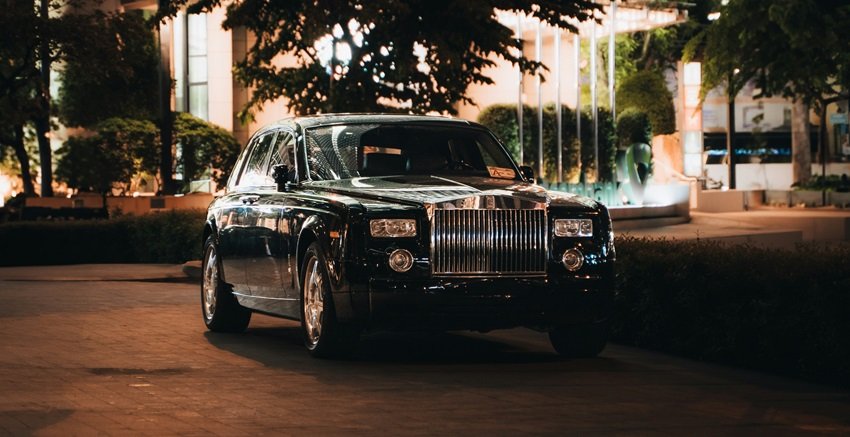
For vehicles with complex curves, as covered for Rolls-Royce specifically, proper installation around compound curves requires more precise cutting and stretching than a flat panel does.
What Actually Extends PPF’s Useful Life
Garaging or shaded parking reduces UV exposure directly. Avoiding harsh chemical cleaners not formulated for PPF preserves the surface coating. Periodic professional inspection of edges and high-stress areas catches lifting before it requires replacing an entire panel’s film.
PPF Longevity at a Glance
- Manufacturer warranties reflect ideal conditions, not Miami’s specific UV and heat exposure
- “Top rated” should mean verifiable film brand, warranty terms, and years-later work examples, not a general reputation claim
- Choosing economy film often costs more in total over time than paying for premium film once
- A warranty claim typically requires proof of approved installation and dated documentation
- Full-body coverage ages as one unit, while partial coverage creates a patchwork replacement timeline
Frequently Asked Questions
1. Does PPF actually last as long in Miami as the manufacturer’s warranty suggests?
Often not quite as long, since Miami’s intense UV and heat exposure accelerates degradation compared to the more moderate conditions warranty periods typically assume.
2. Is economy PPF actually a good value if it costs less upfront?
Often not over time. Visible degradation within a few years typically means a full reinstallation that, combined with the original cost, can exceed what premium film would have cost once.
3. What do I need to keep in order to file a PPF warranty claim later?
Proof of professional installation by an approved installer and dated documentation of the application, ideally with photos, since claims are difficult to support without this.
4. Should I choose full-body or partial PPF coverage?
Partial coverage costs less initially but ages unevenly with the rest of the vehicle’s paint. Full-body coverage means the whole vehicle reaches replacement time together, which some owners find simpler to plan around.
Protection Built for Miami’s Actual Conditions
PPF’s real lifespan in Miami depends on film quality, installation precision, documentation, and how much direct sun exposure a vehicle actually sees, not just a manufacturer’s warranty number. Detailing coordination that accounts for these factors realistically, backed by consistent on-site storage practices and overall car management, sets expectations that actually match Miami’s climate.
Source
- Andromeda Crown: https://www.andromedacrown.com/paint-protection-film-miami-for-collectors/
- Market Growth Reports: https://www.marketgrowthreports.com/market-reports/paint-protection-film-market-107610