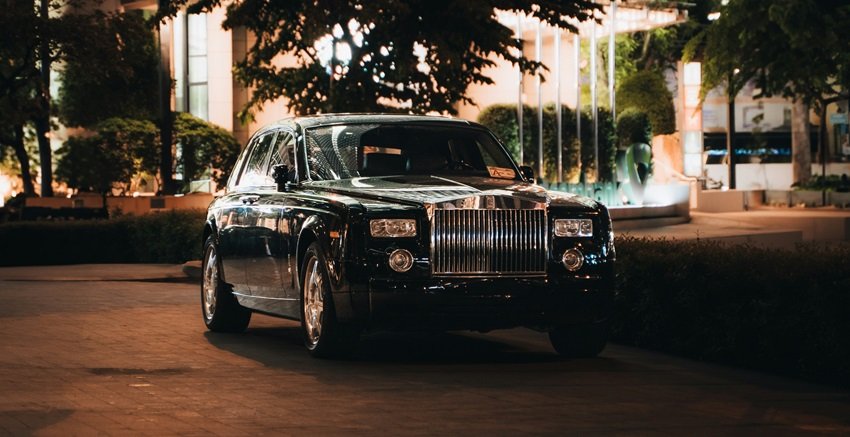
Exotic vehicle management addresses risks that don’t apply the same way to standard luxury cars: heightened visibility that increases security exposure, insurance underwriting that treats these vehicles differently than typical high-value cars, and mechanical needs that require access to specialized, often manufacturer-restricted expertise.
Why Exotic Vehicles Are a Different Category
A luxury sedan and a low-production exotic can both be expensive, but they don’t face the same risks. An exotic’s rarity and visibility make it a more attractive target for both opportunistic and targeted theft, its parts and diagnostic requirements are often restricted to specialized networks rather than general repair shops, and its insurance profile typically involves more scrutiny than a common luxury model. Treating an exotic like a standard high-value car misses each of these.
Key Takeaways
Exotic vehicles carry a distinct visibility and security profile compared to standard luxury cars, which affects storage and access decisions. Insurance underwriting for exotics often requires documentation and security measures a typical luxury vehicle policy doesn’t. Manufacturer-specific diagnostic and parts access matters more for exotics than for luxury vehicles with wider service networks.
Security and Visibility Exposure
An exotic vehicle’s rarity works against it in one specific way: it’s memorable. A distinctive vehicle seen at a location, posted on social media, or discussed in an owner community creates a visibility trail a common luxury sedan doesn’t. This changes practical considerations around where a vehicle is kept, how its location is discussed publicly, and what security measures actually matter, since a locked garage that would deter a random opportunist may not deter someone who specifically knows what’s inside and where.
Insurance Underwriting for Exotics

Insurers often apply more specific requirements to exotic vehicles than to standard luxury cars, agreed value policies tied to documented appraisals, security system requirements, and sometimes storage condition documentation as part of underwriting. A policy written as if for a standard luxury vehicle can leave real gaps for an exotic, particularly around agreed value accuracy and the documentation required to support a claim.
Specialized Mechanical and Parts Access
Many exotic manufacturers restrict diagnostic tools, technical documentation, and parts distribution to a limited, often manufacturer-authorized network. A general luxury vehicle mechanic, however skilled, may simply not have access to what a specific exotic actually requires for proper diagnosis or repair. Coordinating with the right specialized network, rather than the nearest capable-sounding shop, is a distinct and often overlooked part of exotic vehicle management specifically.
What This Means for Storage and Access Decisions
Given the visibility and security factors involved, storage decisions for an exotic warrant more specific consideration than for a standard luxury vehicle: who knows the vehicle’s location, how access is logged and limited, and whether the property’s security measures match the vehicle’s actual risk profile rather than a generic standard. This connects directly to broader storage decisions, but the underlying risk calculation starts from the vehicle’s exotic status specifically.
Documentation That Supports Both Insurance and Value
Beyond the general documentation that supports any high-value vehicle’s condition history, exotic vehicles benefit from records that specifically support agreed value insurance claims and market positioning: professional appraisals, security system verification, and service records from manufacturer-authorized specialists rather than general shops. This documentation does double duty, supporting an insurance claim if needed and supporting resale value later.
The Real Luxury Auto Care Perks of Coordinated Exotic Management
The genuine, practical benefits of coordinated exotic vehicle management aren’t abstract convenience. They’re specific: faster access to manufacturer-authorized service when a specialized issue arises, insurance documentation already in place rather than assembled reactively after a claim, and security decisions grounded in the vehicle’s actual risk profile rather than generic advice built for standard luxury cars.
Exotic Vehicle Management at a Glance
- Visibility and security exposure are genuinely higher for exotics than for standard luxury vehicles
- Insurance underwriting for exotics often requires documentation a typical policy doesn’t
- Manufacturer-restricted parts and diagnostics matter more than general mechanical skill
- Storage and access decisions should start from the vehicle’s specific risk profile
- Documentation supports both insurance claims and future resale value
Frequently Asked Questions About Exotic Vehicle Management
1. Why does an exotic vehicle need different security consideration than a standard luxury car?
Because rarity and visibility increase the odds of a targeted rather than opportunistic security concern. A distinctive, well-known vehicle carries a different risk profile than a common luxury model, even one of similar value.
2. Does standard luxury vehicle insurance cover exotics adequately?
Not always. Exotic vehicles often require agreed value policies with specific documentation and security requirements that a standard high-value vehicle policy may not include.
3. Can any luxury car mechanic properly service an exotic vehicle?
Not necessarily. Many exotic manufacturers restrict diagnostic tools and parts to authorized networks, so general mechanical skill doesn’t always translate to proper access for a specific exotic model.
4. What documentation matters most for an exotic vehicle specifically?
Professional appraisals supporting agreed value insurance, security system verification, and service records from manufacturer-authorized specialists, since these support both insurance claims and future resale value.
Managing What Makes Exotic Vehicles Different
Exotic vehicles carry risks and requirements that generic luxury car advice doesn’t address: visibility, insurance underwriting, and specialized mechanical access. Car management from Andromeda Crown accounts for these specifically, including on-site storage decisions grounded in a vehicle’s actual risk profile rather than generic advice. If you’re weighing what coordinated management actually involves more broadly, that’s covered here.
Considering professional management for your vehicles?
If you own a single exotic vehicle or manage a larger collection, Andromeda Crown can help assess where professional oversight would provide the most value.
Schedule a private consultation with Andromeda Crown
-
Ready to get started? Join a Management Plan Here and let us handle every detail.
-
Stay informed: Subscribe to Our Newsletter for exclusive luxury automotive insights.