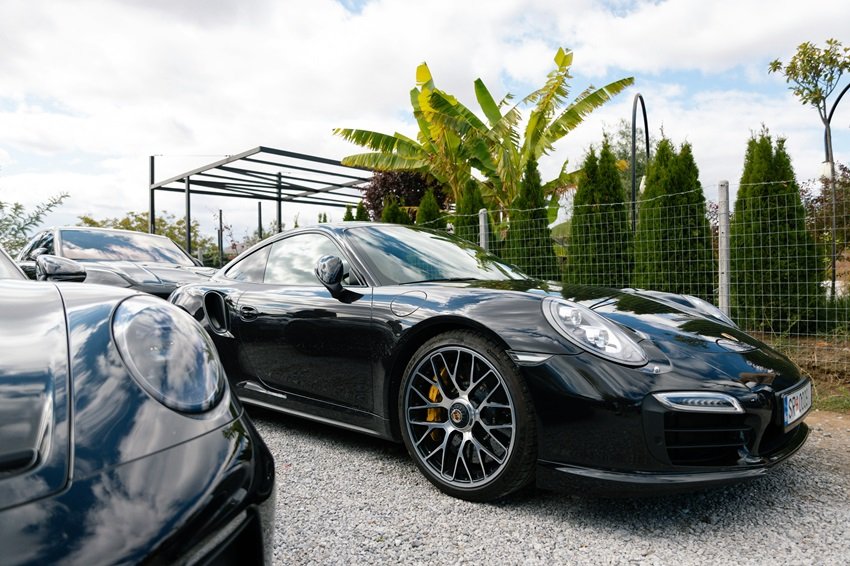
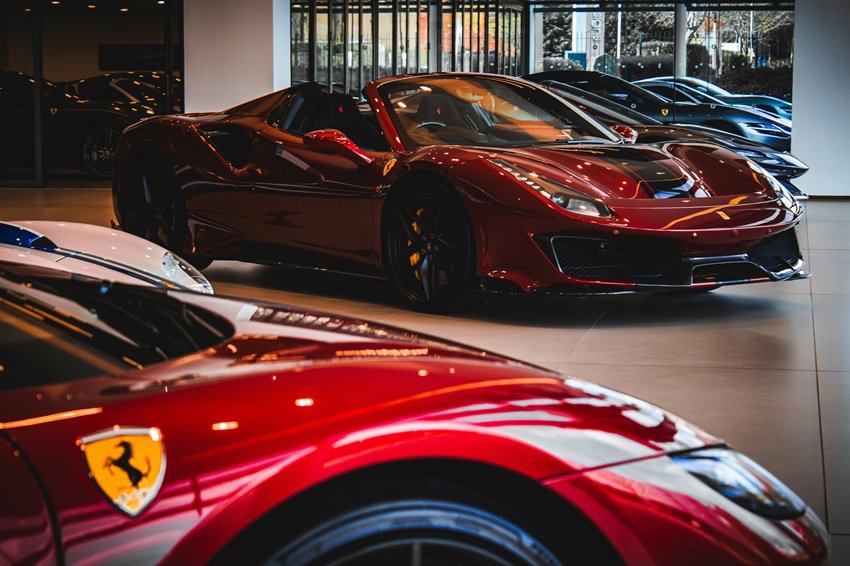
International exotic car shipping is a coordination problem more than a transport problem: the physical shipping is often the easier part compared to customs documentation, import regulations that vary by destination country, and timing that depends on compliance steps most owners have never navigated before.
Why International Shipping Differs From Domestic Transport
Domestic transport within the U.S. is largely a logistics question: enclosed versus open carrier, timing, insurance. International shipping adds a compliance layer domestic transport doesn’t have: export documentation, destination country import requirements, and customs clearance on both ends. Missing or incorrect documentation is a far more common cause of delay than anything related to the physical vehicle itself.
Key Takeaways
Customs documentation and destination country import requirements are usually the actual bottleneck in international shipping, not the physical transport. Customs brokerage is a licensed function that should be handled by qualified export specialists, not assumed to be part of general transport coordination. Import requirements vary significantly by destination country, which affects both timeline and total cost.
What the Documentation Process Actually Involves
Exporting a vehicle typically requires a bill of lading, proof of ownership, and export declaration paperwork on the U.S. side, along with whatever import documentation the destination country requires, which can include emissions compliance, safety certification, or import duty payment depending on the country. This is not a step to handle informally. Errors here are the most common source of shipment delays.
Why This Requires a Licensed Customs Specialist, Not Just a Transport Coordinator
Customs brokerage is a regulated, licensed profession. Coordinating international vehicle shipping well means working with qualified customs and export specialists who handle this documentation correctly, rather than treating it as a minor add-on to standard transport logistics. Getting this wrong doesn’t just cause delays. It can result in a vehicle held at customs, additional fees, or in some cases, the shipment being refused entirely.
How Import Requirements Vary by Destination
Every destination country has its own vehicle import rules, and they vary substantially. Some countries impose significant import duties on vehicles above a certain value. Others require specific emissions or safety compliance modifications before a vehicle can be registered. A vehicle that ships without issue to one country may face real complications entering another, which is why destination-specific research needs to happen before shipping begins, not after the vehicle has already left.
Enclosed Shipping Considerations for International Transit
Beyond customs, the physical shipping itself for international routes typically involves longer transit times and different handling than domestic transport, often via enclosed shipping containers rather than standard carrier trucks. This affects both insurance considerations and how far in advance a shipment needs to be planned, since international transit windows are generally longer and less flexible than domestic routes.
Realistic Timeline Expectations
International shipping timelines depend heavily on the destination and the completeness of documentation going in. A shipment with all documentation prepared correctly in advance moves through customs far more predictably than one where paperwork is assembled reactively once the vehicle has already arrived. Building in real time for documentation preparation, not just the shipping transit itself, is what separates a predictable timeline from an open-ended one.
Insurance Considerations for International Transit
Standard domestic transport insurance often doesn’t extend to international shipping, which typically requires marine cargo insurance or a similar policy specific to international transit. Confirming what’s actually covered, and for what value, before a vehicle ships internationally is worth doing directly rather than assuming domestic coverage carries over.
International Shipping at a Glance
- Customs documentation, not physical transport, is the most common source of delay
- Customs brokerage should be handled by licensed export specialists, not general transport coordination
- Import requirements vary significantly by destination country and should be researched before shipping begins
- International transit typically requires different insurance coverage than domestic transport
- Advance documentation preparation is what makes timelines predictable
Frequently Asked Questions
1. What’s the biggest cause of delay in international exotic car shipping?
Customs documentation and destination country import requirements, far more often than issues with the physical transport itself.
2. Does domestic vehicle transport insurance cover international shipping?
Usually not. International transit typically requires marine cargo insurance or a similar policy specific to international shipment, which is worth confirming directly before a vehicle ships.
3. Why does this require a licensed customs specialist rather than just a shipping company?
Customs brokerage is a regulated, licensed profession. Documentation errors here can result in delays, additional fees, or a shipment being held or refused at customs.
4. Do all countries have the same vehicle import requirements?
No. Import duties, emissions compliance, and safety certification requirements vary significantly by destination country, which is why destination-specific research matters before shipping begins.
Coordinating a Shipment That Actually Goes Smoothly
International exotic car shipping succeeds or fails on documentation and compliance more than on the physical transport itself. Coordinated vehicle transport that connects you with qualified, licensed customs and export specialists, rather than treating international compliance as an afterthought, is what actually prevents the delays and complications that catch most owners off guard.
Request a Confidential Quote →
Subscribe to our newsletter for exclusive updates on luxury vehicle care.