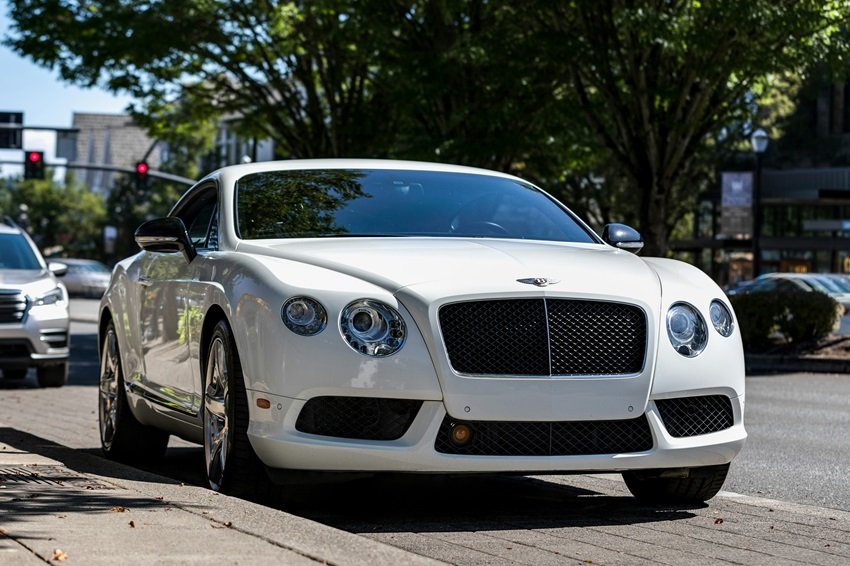
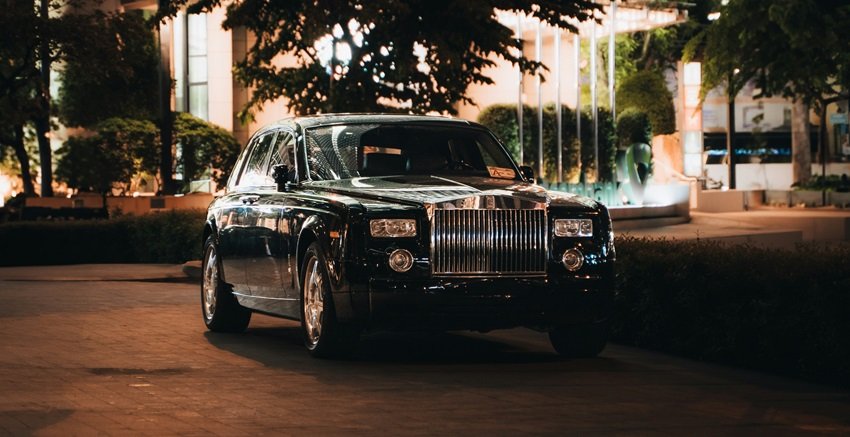
A classic car show creates a specific moment where a vehicle’s value gets tested publicly, judged, compared, and discussed by people who know the model well. What most owners miss is that this moment has a shelf life, and understanding that shelf life changes how a show result should actually be used.
Why Show Judging and Market Value Aren’t the Same Thing
Concours judging evaluates a vehicle against specific criteria, originality, presentation, mechanical correctness, scored relative to other entries at that event. Market value reflects broader buyer demand across the full population of potential purchasers.
Key Takeaways
Show judging results and market value are related but distinct. A show result’s usefulness to a buyer decays predictably over time, following what’s worth thinking of as a documentation decay curve. Restoration decisions made purely for judging criteria don’t always serve broader market value the same way.
Introducing the Documentation Decay Curve
A show result’s evidentiary value to a future buyer isn’t constant. It’s highest immediately after the event, when the documented condition closely matches the vehicle’s actual current state, and it declines as time passes and the vehicle’s real condition inevitably diverges from what was documented. Think of it as a curve rather than a cliff: a result from six months ago still carries real, if slightly reduced, evidentiary weight. A result from six years ago carries very little, not because the achievement wasn’t real, but because it no longer tells a buyer much about the car sitting in front of them today.
A Worked Example of the Decay in Practice
A vehicle wins Best in Class at a respected regional show. In the following three months, that result carries strong evidentiary weight for a buyer, since almost nothing has changed. At the one-year mark, the result still matters, but a buyer reasonably wants confirmation the vehicle hasn’t developed new issues since. At three years, the win is a nice historical note but does very little to answer the buyer’s actual question: what condition is this car in right now. The underlying achievement doesn’t disappear from the vehicle’s history, but its usefulness as current evidence has largely decayed.
Why an Older Show Win Can Occasionally Matter More Than a Recent One

This is the counterintuitive part. For a vehicle with a long, consistent history of strong show results across many years, a documented pattern spanning a decade or more, the value shifts from any single result’s freshness to something different: proof of sustained, consistent quality over time. A buyer evaluating this kind of vehicle isn’t asking “what did it look like three years ago.” They’re asking “has this level of care been consistent,” and a long documented pattern answers that better than any single recent result could.
What Resets the Decay Clock
Any subsequent show appearance, and its documentation, effectively resets the clock, since it re-establishes current evidence of condition. This is why a vehicle actively campaigned across multiple events over time maintains stronger evidentiary value than one shown once and then left alone for years, regardless of how impressive that single result originally was.
Building a Documentation Strategy Across Multiple Shows, Not Just One
Rather than treating each show appearance as an isolated event, tracking results across several shows over time builds the kind of sustained pattern described above. This means keeping consistent, comparable documentation, similar photo angles, similar condition notes, across each appearance, so the pattern itself becomes evidence, not just each individual result in isolation.
The Risk of Preparing for Judging at the Expense of Market Value
Restoration and preparation decisions optimized purely for concours judging criteria don’t always align with what the broader buyer market actually values. Understanding which restoration decisions serve both goals matters before committing significant budget to show preparation specifically.
What Actually Transfers From a Show Result to Future Value
The most durable value from a strong show result is the documentation it generates, which becomes part of the vehicle’s provenance file supporting future appraisal, separate from whatever trophy or ranking resulted, and subject to the decay curve described above.
A Pre-Sale Checklist Built Around the Decay Concept
Before listing a vehicle for sale, checking how recently its most current show documentation was generated, and whether that documentation has meaningfully decayed, indicates whether a fresh show appearance or updated condition photos are worth arranging before listing, rather than relying on an older result that’s lost most of its evidentiary value. Maximize your vehicle’s market value before listing with targeted luxury auto detailing.
Timing a Vehicle’s Show Debut Relative to a Planned Sale
A notable show result shortly before a planned sale sits at the top of the decay curve, giving a prospective buyer the most current, relevant evidence possible.
Classic Car Collections and the Portfolio Perspective
For an owner with a themed collection, a single vehicle’s show performance can also reflect on the broader collection’s reputation, particularly within a specific community.
Classic Car Show Valuation at a Glance
- Show judging and market value are related but measure genuinely different things
- A show result’s evidentiary value follows a decay curve, highest immediately after, declining over time
- A long, consistent pattern of results across many years can matter more than any single recent win
- Each subsequent show appearance resets the decay clock and re-establishes current evidence
- Checking documentation freshness before a sale reveals whether a new show appearance is worth arranging
Frequently Asked Questions
1. Does winning at a classic car show actually increase a vehicle’s resale value?
Not directly through the placement itself, but the documentation it generates supports future appraisal and buyer confidence, with that value declining over time as the vehicle’s actual current condition diverges from what was documented.
2. How long does a show result actually stay useful to a future buyer?
It follows a gradual decline rather than a hard cutoff. A result from months ago still carries real weight. One from several years ago carries comparatively little unless it’s part of a longer, consistent pattern.
3. Is an old show win from a decade ago still worth mentioning to a buyer?
On its own, its evidentiary weight has mostly decayed. As part of a documented pattern of consistent results across many years, it can matter more than a single recent win would.
4. Should I arrange a new show appearance right before selling a vehicle?
If the vehicle’s most recent documentation has meaningfully decayed, fresh show results or updated condition photos shortly before listing give a buyer more current, relevant evidence.
Understanding the Moment Before It Happens
A classic car show creates a genuine public test of a vehicle’s condition, and understanding that this evidence has a shelf life, not permanent, static value, changes how an owner should actually use it. Restoration and customization oversight that serves both show presentation and broader market value, paired with a documentation strategy built around this decay curve, protects the investment well beyond any single event.
Preserve your vehicle’s presentation standards and market value over time by contacting Andromeda Crown.
Thank you for reading! If you enjoyed this post and want to stay updated on the latest in luxury cars, subscribe to our newsletter for exclusive insights, tips, and more. We’d love to hear your thoughts—please leave a comment below with your feedback on this post or let us know what topics you’d like us to cover in the future. Your input helps us create content that truly interests you!
Source
- Classic Driver – https://www.classicdriver.com