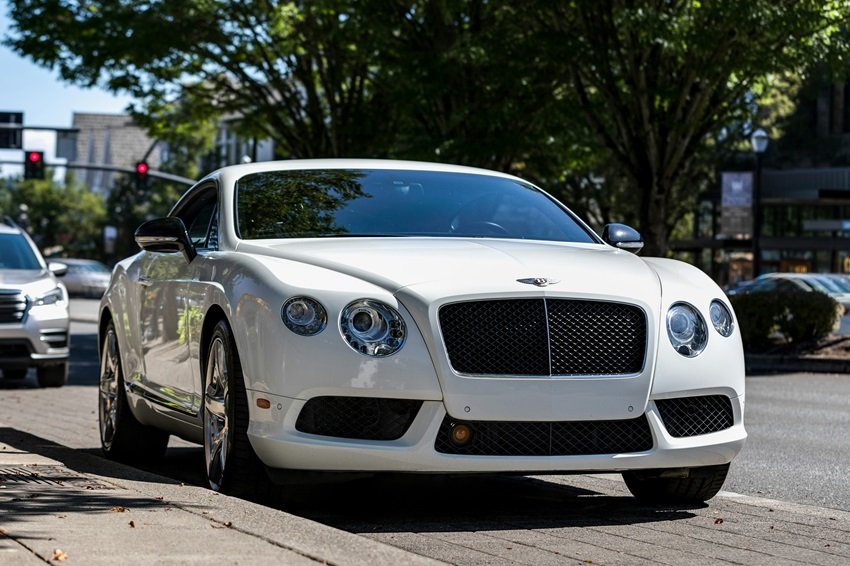
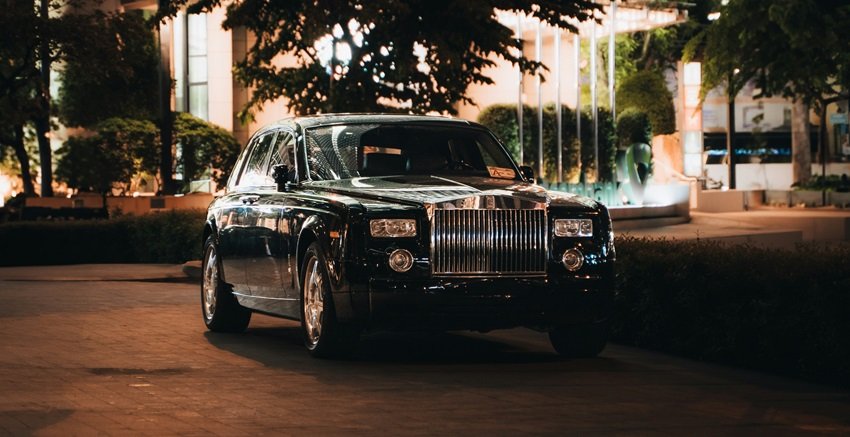
Moving a valuable vehicle is different from moving an ordinary car.
For a collector, exotic, classic, or heavily modified vehicle, the important questions are not simply how far the car is traveling or how much the transport costs. The equipment, loading method, carrier, insurance, documentation, and handling process all matter.
That is especially true when a vehicle is moving between Miami and a second residence, going to an auction or event, being delivered after a purchase, or traveling between collection locations.
The right vehicle transport in Miami starts with matching the transport method to the vehicle.
What to evaluate before booking vehicle transport
Before comparing providers, look at five things:
- How the vehicle needs to be loaded
- Whether enclosed transport is appropriate
- Who will physically transport the vehicle
- What insurance applies to the shipment
- How the vehicle’s condition will be documented
Price should be considered, but it should not be the only comparison.
A lower quote does not necessarily provide the right equipment, insurance, or handling process for a high-value vehicle.
Schedule enclosed, hydraulic-ramp flatbed shipping with our dedicated car transport in Miami concierge
Choose the transport method based on the vehicle
Open transport
Open carriers are commonly used for standard vehicles and can make sense when exposure and loading requirements are not major concerns.
For a rare, freshly restored, highly customized, or particularly valuable vehicle, however, the additional exposure to weather and road debris may make enclosed transport the more appropriate choice.
Enclosed transport
Enclosed transport provides greater protection from weather, road debris, and public exposure during transit.
It is often the more appropriate option for collector and exotic vehicles, particularly when paint condition, originality, custom finishes, or overall vehicle value make unnecessary exposure undesirable.
The decision should still be based on the individual vehicle and route rather than treating enclosed transport as automatically necessary for every luxury car.
Flatbed transport
Flatbed equipment can be particularly useful for vehicles with very low ground clearance, modified suspension, extended front splitters, or unusual loading requirements.
The important issue is the loading angle.
A standard ramp may create an approach angle that puts a low vehicle’s front lip or underbody at risk. A flatbed or specialized loading system can reduce that exposure.
Before booking, ask exactly how the vehicle will be loaded and what equipment will be used.
Verify the actual carrier and its insurance

One of the most important distinctions in vehicle transport is the difference between a broker and the carrier.
A broker arranges transportation but does not necessarily operate the truck or physically move the vehicle. The motor carrier is the company responsible for the actual transportation. FMCSA provides a system for checking operating authority and insurance information.
That distinction matters when transporting a high-value vehicle.
If a broker is arranging the shipment, ask:
- Which carrier will physically transport the vehicle?
- What is the carrier’s USDOT or MC information?
- What insurance applies to the vehicle while it is in transit?
- What are the policy limits?
- Are there exclusions that could affect a collector, modified, or unusually valuable vehicle?
- Can the insurance information be provided before pickup?
Do not assume that a transport company mentioning “fully insured” tells you everything you need to know.
FMCSA’s insurance requirements vary according to the type of transportation authority and operation, and the agency’s public systems allow owners to review carrier information.
For a valuable vehicle, the relevant question is not simply whether insurance exists. It is whether the coverage and terms are appropriate for the vehicle being transported.
Document the vehicle before it leaves
A detailed condition record should be part of the transport process.
Before loading, document:
- Exterior condition
- Wheels and tires
- Glass
- Interior
- Existing scratches or chips
- Modifications
- Low-clearance components
- Custom bodywork
- Any other condition that could become relevant at delivery
Take clear photographs from multiple angles and keep them with the transport documentation.
The same inspection should be reviewed at delivery.
This is particularly important for collector vehicles because condition can matter far beyond ordinary cosmetic concerns. A documented pre-transport condition gives both the owner and carrier a clear reference point if there is a disagreement about damage.
Collector vehicles require more planning
Certain transport situations deserve additional attention.
Seasonal relocation
Owners who regularly move between Miami and another residence may transport the same vehicles several times each year.
For recurring moves, consistency can be valuable. Keeping accurate vehicle records and working with a transportation provider or coordinator familiar with the collection can simplify future scheduling and reduce repeated administrative work. Centralize seasonal movement schedules, insurance filings, and vehicle logs using complete car management.
Auctions and events
A vehicle traveling to an auction, concours, exhibition, or private event has a specific deadline.
The transport plan should account for:
- Pickup timing
- Loading requirements
- Delivery window
- Venue access
- Condition documentation
- Any preparation being completed before or after transport
A vehicle that arrives late or requires unexpected handling immediately before an event creates an avoidable problem. Unlock priority transport scheduling and dedicated event logistics through our private membership plans.
Low-clearance and modified vehicles
Do not assume that an enclosed trailer automatically means the vehicle can be loaded safely. A lowered Ferrari, Lamborghini, Porsche, vintage car, or custom build may require specific loading equipment even when enclosed transport has already been selected. Ask about the loading method before the vehicle is scheduled.
Multiple vehicles
Moving one car is different from coordinating a collection. For multiple vehicles, transportation becomes part of a larger logistics process involving storage, maintenance, detailing, restoration, events, and seasonal scheduling. That is where broader automotive asset management can become useful.
Common mistakes to avoid
1. Choosing the lowest quote without comparing equipment
A transport quote is only one part of the decision.
Compare the equipment, carrier, insurance, loading method, communication process, and documentation requirements.
2. Assuming the broker is the carrier
Always identify the company that will physically transport the vehicle.
3. Assuming all enclosed transport is equivalent
Ask about the actual trailer, loading equipment, tie-down method, and experience with vehicles similar to yours.
4. Waiting until the last minute
Special equipment and specific delivery windows can limit availability.
Planning ahead gives you more control over the carrier and transport method, particularly around seasonal moves, auctions, and events.
5. Failing to document the vehicle
Photographs and condition notes take relatively little time and create a valuable record before the vehicle leaves your possession.
Vehicle transport Miami at a glance
For collector and exotic vehicles, focus on:
- Vehicle: What are its value, ground clearance, modifications, and condition?
- Transport: Is open, enclosed, or flatbed equipment appropriate?
- Loading: Can the vehicle be loaded without creating unnecessary clearance risk?
- Carrier: Who will physically transport it?
- Insurance: What coverage applies, and are the limits and exclusions appropriate?
- Documentation: Is the condition recorded before and after transport?
- Timing: Does the schedule account for the destination, event, seasonal move, or collection requirements?
The best transport decision is the one that matches these factors to the vehicle rather than simply selecting the cheapest available option.
Expert Answers to Your Luxury Car Transport Miami FAQs
1. What is the difference between enclosed transport and open transport?
The enclosed transport offers more protection, while the open transport exposes the vehicle to the elements.
2. How long does vehicle transport take?
For local vehicle transport within the Miami area, delivery often takes just a few hours due to close proximity and efficient routes. In contrast, nationwide vehicle transport typically ranges from 3 to 7 days or more, depending on distance, route, and transport type—whether flatbed transport or enclosed carrier services. Selecting the right option ensures your luxury vehicle arrives securely and on time.
3. Is it possible for me to insure my car during shipping?
Yes, the most vehicle transport Miami services provide insurance coverage during transit.
4. Is enclosed transport worth the extra cost for a collector or exotic vehicle?
For vehicles where paint condition, interior materials, or overall value make road exposure a meaningful risk, enclosed transport is generally worth the additional cost, particularly on longer routes through Miami’s interstate corridors where road debris and sun exposure are more significant factors than on short local moves. Owners weighing the decision should consider the vehicle’s value and the length of the route rather than treating enclosed transport as an unnecessary upgrade.
5. How do I verify a transport company can safely handle a low-clearance vehicle?
Ask specifically whether the company uses flatbed equipment with a winch or hydraulic tilt loading system rather than a standard angled ramp, and ask for examples of similar vehicles they have transported. A transporter with real experience in this niche will answer these questions specifically and without hesitation, since ramp damage to low-clearance vehicles is a well-known risk within the industry.
6. What should I do to prepare my car before the transport?
Clean your vehicle and remove any personal belongings before a car is transported. Clean exterior finishes and log pre-transit condition reports with on-site mobile car detailing.
7. Is there any surcharge on luxury car shipping?
Some services charge extra for shipping, especially for high-end or exotic vehicles.
8. Is it possible to choose the day of delivery?
The delivery dates are flexible but need to be arranged in advance.
9. Is my car protected during the transport?
That’s true, mainly if you opt for enclosed transport or flatbed transport for extra safety. Here are some top benefits associated with flatbed transport.
10. What is the difference between a car shipping broker and an actual carrier?
A broker arranges the transport and typically subcontracts the physical driving to an independent carrier, while the carrier is the company whose driver and equipment actually move the vehicle. The insurance coverage that matters for a claim belongs to the carrier, so owners should ask any broker directly which carrier will handle the vehicle and request that carrier’s certificate of insurance before booking.
A better way to approach high-value vehicle transport
For a collector, transportation is only one part of vehicle ownership.
A vehicle may need to move from a residence to a specialist, from a dealership to a private garage, from one storage location to another, or between seasonal homes. When multiple vendors and vehicles are involved, coordination becomes as important as the transport itself.
Andromeda Crown coordinates luxury and exotic vehicle transport through vetted carriers, helping owners manage the logistics around pickup, delivery, scheduling, and related vehicle needs.
For owners managing multiple vehicles or recurring transportation needs, the broader approach can extend into automotive asset management, where transport is coordinated alongside other aspects of vehicle care and ownership.
If you are planning a move for a collector or exotic vehicle, the right starting point is to assess the vehicle, route, equipment, carrier, and coverage before booking.
Explore Miami car transport services
Thank you for reading! If you enjoyed this post and want to stay updated on the latest in luxury cars, subscribe to our newsletter for exclusive insights, tips, and more. We’d love to hear your thoughts—please leave a comment below with your feedback on this post or let us know what topics you’d like us to cover in the future. Your input helps us create content that truly interests you!
Source
- uShip – uship.com