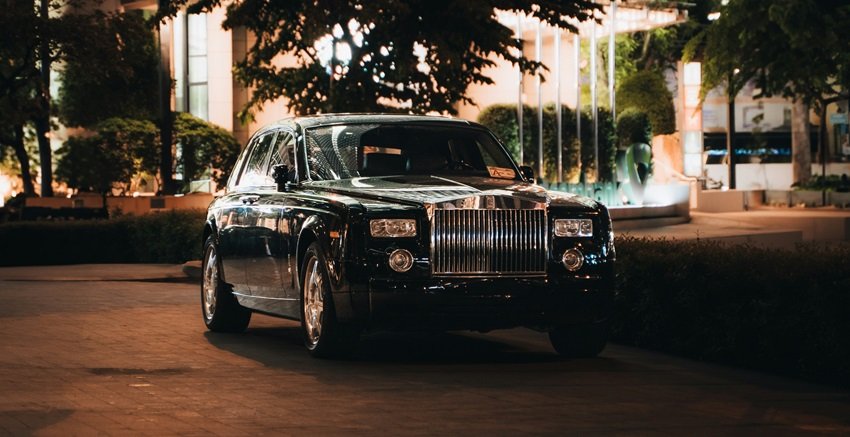
A good customization project follows a specific sequence, consultation, design development, then execution, and skipping steps in that sequence is a more common source of disappointing results than choosing the wrong specialist.
Why Process Matters as Much as the Design Center Itself
Two design centers with equally skilled craftspeople can produce very different results if one follows a disciplined process and the other jumps straight to execution.
Key Takeaways
A structured consultation and design phase should precede any physical work on the vehicle. Digital pre-visualization catches design problems before they’re expensive to fix. Luxury car design centers vary significantly in whether they follow this disciplined process or work more reactively.
The Consultation: What Should Actually Happen
A proper first conversation covers goals, vision, and budget range specifically. Photos, material references, and color swatches exchanged at this stage give both the owner and the design center a concrete starting point rather than relying on verbal description alone.
What Each Phase Actually Costs
Consultation and design development, including digital pre-visualization, typically represent a modest fraction of a project’s total cost, but skipping this phase to save that fraction is where most expensive mistakes originate. A rendering that reveals a color choice doesn’t read correctly costs little to adjust on screen. The same mistake discovered after paint or material application costs the full price of redoing that work, sometimes more if it requires undoing other completed steps first. The design phase is cheap insurance against the most expensive phase’s mistakes.
Why Digital Pre-Visualization Is Worth Insisting On
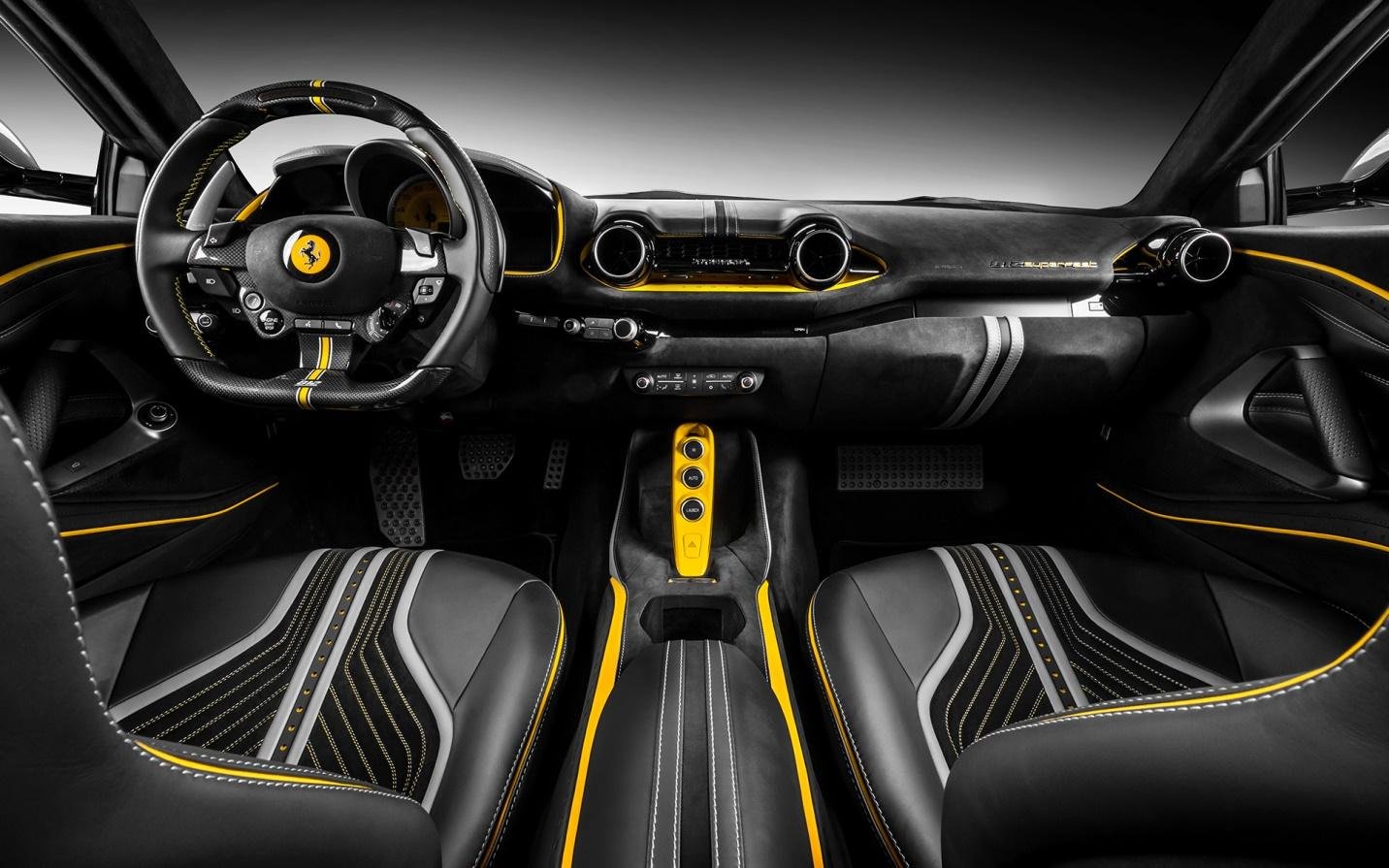
For anything beyond minor changes, seeing a digital mock-up before physical work begins catches problems while they’re still just pixels rather than expensive completed work.
A Real Version of What Skipping This Step Looks Like
Consider a project where an owner approves an interior material choice based on a small physical swatch alone. Applied across the full interior, the material’s tone shifts under the cabin’s actual lighting in a way the small sample didn’t reveal, and by the time this is apparent, the material is already installed. A digital rendering, or at minimum a larger sample viewed in conditions matching the actual installation, would have caught this before the work was irreversible. This is a common, specific way “trusting the swatch” becomes an expensive lesson.
The Assessment Most Owners Don’t Realize Comes First
Before customization work begins, a proper process includes checking the vehicle for existing damage, rust, or mechanical issues unrelated to the customization itself.
Material Sourcing: The Overlooked Step Between Design and Execution
Once a design is approved, sourcing the actual materials, specific leather, particular trim finishes, custom-matched paint, takes real time that owners often don’t factor into their timeline expectations. A design center that quotes a project timeline without accounting for material lead times, particularly for anything requiring custom sourcing, is often working from an optimistic estimate rather than a realistic one.
A Realistic Timeline, Not an Optimistic One
Between consultation, design approval, material sourcing, and execution, a substantive customization project commonly takes considerably longer than an owner’s first estimate, largely because material sourcing and execution quality both resist being rushed without compromising the result. A design center promising a notably faster timeline than others quoting for comparable scope is worth asking directly what’s being compressed.
Why Understated Execution Often Outperforms Aggressive Modification
Subtle, well-executed refinements frequently create a more polished result than extensive, attention-grabbing modification, since restraint tends to age better than a maximalist approach.
Coordinating With Other Specialists, Not Working in Isolation
A customization project frequently intersects with other vehicle needs, detailing to finish and protect new work, body shop involvement if the project includes paint or structural changes, or mechanical coordination if performance elements are involved. A design center working in isolation from these other specialists can produce excellent individual work that doesn’t integrate cleanly with the rest of the vehicle’s care.
Wheel and Tire Choices: More Than an Aesthetic Decision
Wheel and tire combinations affect handling and ride comfort in ways that go beyond how they look, a consideration worth weighing against resale implications too.
What to Ask Before Committing to a Design Center
- “Will I see a digital mock-up or rendering before any physical work begins?”
- “How are material lead times factored into my project timeline?”
- “Do you coordinate directly with detailing or body shop specialists if my project needs them?”
Customization Process at a Glance
- Consultation and design development are the cheapest phase to catch mistakes in, execution is the most expensive
- Digital pre-visualization catches problems that small physical swatches often miss
- Material sourcing timelines are frequently underestimated and should be factored in upfront
- A design center should coordinate with detailing, body, and mechanical specialists, not work in isolation
- Understated execution often outperforms aggressive modification, though not universally
Frequently Asked Questions
1. Why does the design phase matter if it’s a small part of the total cost?
Because mistakes caught during design cost little to fix, while the same mistakes discovered after physical work is complete cost the full price of redoing that work.
2. How long does a substantive customization project typically take?
Longer than most owners initially expect, largely due to material sourcing lead times that are easy to underestimate before a project begins.
3. Should a design center coordinate with other specialists like detailers or body shops?
Yes, particularly if the project involves paint, structural changes, or elements needing protection afterward. A design center working in isolation can produce work that doesn’t integrate cleanly with a vehicle’s broader care.
Choosing a Process, Not Just a Design Center
The best customization outcomes come from a disciplined process, consultation, pre-visualization, material sourcing, coordinated execution, followed consistently. Restoration and customization oversight manages this end to end, coordinating with detailing, body shop, and mechanical specialists as one project rather than isolated engagements.
Thanks for reading! For more tips and updates, Subscribe to our newsletter now!