Bubbling under paint protection film has several distinct causes, contamination during installation, moisture trapped at the edges, and for a recently painted vehicle specifically, applying film before the paint has fully cured. Each cause points to a different fix.
Why Bubbling Isn’t One Problem With One Cause
A bubble appearing the day of installation usually means something got trapped underneath. A bubble appearing weeks later after rain usually means moisture worked its way in at an edge. A bubble on a recently repainted panel points to the paint itself still curing underneath the film.
Key Takeaways
Installation-day bubbles typically trace back to dust or debris trapped during application. Bubbles appearing after rain or washing usually indicate moisture intrusion at an edge, not a manufacturing defect. Applying PPF to paint that hasn’t fully cured is a documented cause distinct from installation technique.
What Happens When a Small Contamination Bubble Goes Unaddressed
A pinpoint bubble noticed right after installation is easy to dismiss as cosmetic and minor. Left alone, the trapped contamination can create a stress point where the film doesn’t bond evenly to the surrounding area, and normal flexing from temperature changes and vibration can gradually enlarge that initial small bubble into a more noticeable, harder-to-repair section months later. What would have been a quick, localized fix at the two-week mark becomes a full panel section replacement by month six, simply from being left alone rather than flagged immediately.
A Simple Inspection Owners Can Do After Installation

Running a hand gently across the treated surface at a low angle, rather than just looking at it under normal light, catches small bubbles by feel that aren’t always visually obvious, especially on darker paint colors where subtle imperfections are harder to see. Doing this check within the first week after installation, and again after the first significant rain, catches both contamination and early moisture issues while they’re still small and simple to address.
Contamination Bubbles: What Happens During a Poor Installation
Dust, dirt, or debris trapped during application creates a small bump or bubble at that exact spot, preventable through a genuinely clean, controlled installation environment.
Moisture Bubbles: A Different Cause, Appearing Later
Bubbles developing after rain or washing usually indicate moisture working its way in at a film edge, generally resolvable by a professional releasing the trapped moisture without full reinstallation.
Why Miami’s Rainy Season Specifically Raises This Risk
Scheduling PPF installation during Miami’s rainy season, roughly summer through early fall, means the vehicle faces its first significant weather exposure sooner, before any minor edge-sealing imperfections have had time to be caught and addressed in dry conditions. Installing during a drier stretch, when practical, gives more opportunity to inspect and address any edge issues before they’re tested by rain, though this isn’t always controllable around a specific timeline need.
The Fresh Paint Problem: Why Timing Matters for Recently Painted Vehicles
Paint continues releasing solvents as it cures, and applying PPF before this completes traps those solvents beneath the film, commonly causing bubbling unrelated to installer technique or film quality.
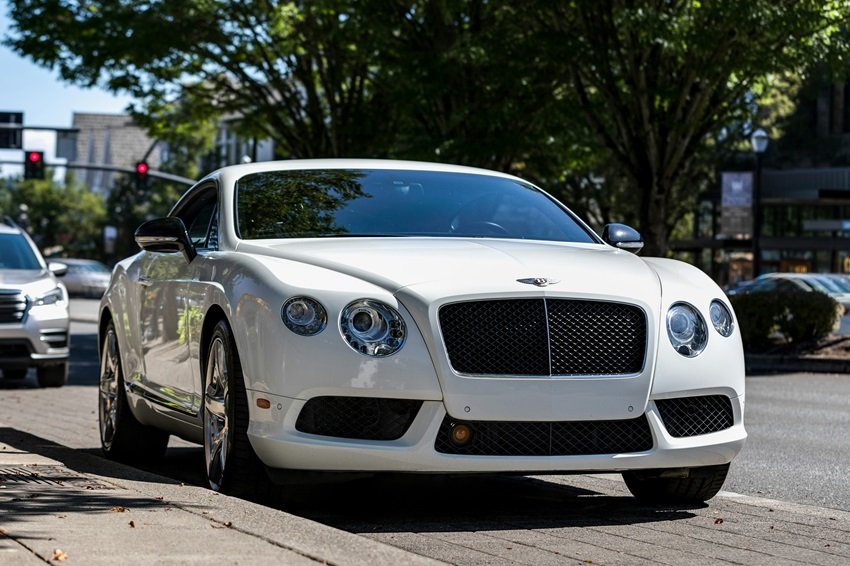
Why This Matters More for Bentley’s Specific Paint System
Bentley’s multi-layer paint structure means any imperfection sealed underneath PPF becomes effectively permanent and highly visible. A pre-installation paint inspection, confirming adequate cure time on any vehicle with recent bodywork, is worth insisting on specifically for this reason.
Does PPF Bubbling Fall Under Warranty Coverage?
This depends specifically on the cause. Manufacturer film warranties generally cover a genuine product defect, but bubbling traced to installation contamination or applying film over insufficiently cured paint is typically treated as an installation or timing issue rather than a film defect, and may not be covered the same way. This is worth clarifying with the installer specifically before installation, not after a bubble appears and the cause becomes a point of dispute.
How to Choose a PPF Installer With Bubbling Risk in Mind
Ask specifically about installation environment, surface preparation, and whether they check paint cure status on vehicles with recent bodywork. A provider addressing all three specifically is managing bubbling risk deliberately.
Full Body PPF Miami: Why Curve Complexity Raises the Stakes
On a vehicle with compound curves, mirrors, complex fender contours, the technique required to avoid trapping air or contamination is more demanding than on a flat panel, which is why full-body installation quality varies more between installers than partial coverage does.
Collector Car Film Miami: An Added Consideration for Older Paint
For a collector vehicle with single-stage or older paint systems, confirming the installer understands how that paint type responds to film application and removal matters as much as bubbling prevention itself.
Scheduling Multiple Vehicles in a Collection Around This Risk
For an owner installing PPF across several vehicles, staggering installations rather than doing them all in one session allows the first vehicle’s post-install inspection to inform the process for the rest, catching any environmental or technique issue with the installer before it’s repeated across the entire collection.
What to Do If Bubbling Has Already Occurred
A contamination bubble discovered shortly after installation can often be corrected by lifting that section and reapplying, without replacing the entire panel. A bubble tied to inadequate paint cure time may require waiting for the paint to finish curing before a permanent fix is possible.
PPF Bubbling at a Glance
- Contamination bubbles trace back to dust or debris trapped during installation, a preventable process issue
- Moisture bubbles appearing after rain point to edge intrusion, not a defect in the original install
- Applying PPF over paint that hasn’t fully cured causes bubbling unrelated to installer skill
- A hand-feel inspection within the first week and after the first rain catches issues while still small
- Warranty coverage for bubbling depends on cause, worth clarifying before installation, not after
Frequently Asked Questions
1. What’s the most common cause of PPF bubbling right after installation?
Dust or debris trapped during application, generally preventable through a clean, controlled installation environment.
2. Why would bubbles appear weeks after a clean installation?
Usually moisture working its way in at a film edge after rain, which a professional can typically resolve without full reinstallation.
3. Is it safe to apply PPF to a recently repainted vehicle right away?
Not immediately. Paint continues releasing solvents as it cures, and applying film too soon traps those solvents, causing bubbling unrelated to the installer’s skill.
4. Is PPF bubbling covered under warranty?
It depends on the cause. Genuine product defects are typically covered, but bubbling from installation contamination or insufficient paint cure time is often treated differently, worth clarifying before installation.
Protection Installed the Right Way, the First Time
Bubbling has specific, identifiable causes, contamination, moisture, or fresh paint that hasn’t finished curing, and each one is preventable with the right process. Detailing coordination that confirms installation environment, surface prep, and paint cure status, backed by broader vehicle management for owners coordinating a full collection, protects against the most common and avoidable cause of a compromised installation.
Thank you for reading! If you enjoyed this post and want to stay updated on the latest in luxury cars, subscribe to our newsletter for exclusive insights, tips, and more. We’d love to hear your thoughts—please leave a comment below with your feedback on this post or let us know what topics you’d like us to cover in the future. Your input helps us create content that truly interests you!
Source
- GlobeNewswire: https://www.globenewswire.com/news-release/2025/02/03/3019653/0/en/Paint-Protection-Film-Market-Projected-to-Reach-USD-894-80-Million-by-2032-Growing-Demand-for-Vehicle-Protection-and-Enhanced-Aesthetic-Appeal-Drive-Market-Growth.html
- Market Growth Reports: https://www.marketgrowthreports.com/market-reports/paint-protection-film-market-107610