Bentley doesn’t have one answer to “is modification safe for my car’s value.” It has three, depending on where a specific vehicle falls on what’s best understood as a Bentley Modification Spectrum, a range from performance-built models on one end to Mulliner-anchored bespoke vehicles on the other.
Introducing the Bentley Modification Spectrum
Rather than treating Bentley as one uniform brand for modification purposes, it’s more accurate to place any specific vehicle into one of three categories: Performance-Pure models, built primarily around motorsport-adjacent engineering with minimal bespoke customization; Hybrid-Heritage models, which combine performance-oriented engineering with meaningful factory customization choices that aren’t full Mulliner commissions; and Mulliner-Anchored vehicles, where a significant, documented bespoke commission is central to the car’s identity and value. Each category has a genuinely different relationship to modification risk.
Key Takeaways
The Bentley Modification Spectrum, Performance-Pure, Hybrid-Heritage, and Mulliner-Anchored, classifies modification risk more precisely than treating Bentley as one brand. Hybrid-Heritage vehicles carry more modification risk than either end of the spectrum, not less, a genuinely counterintuitive point. Vehicle appraisal for a Mulliner-Anchored Bentley should specifically verify commission documentation.
Performance-Pure: The Lowest-Risk Category
A Continental GT Speed or similar model configured close to factory-standard performance specification, without significant bespoke customization layered on top, sits at the low-risk end. Its value is driven primarily by performance capability and condition, categories where thoughtful modification is broadly accepted and doesn’t compete with a documented originality story.
Mulliner-Anchored: The Highest-Documentation-Sensitivity Category
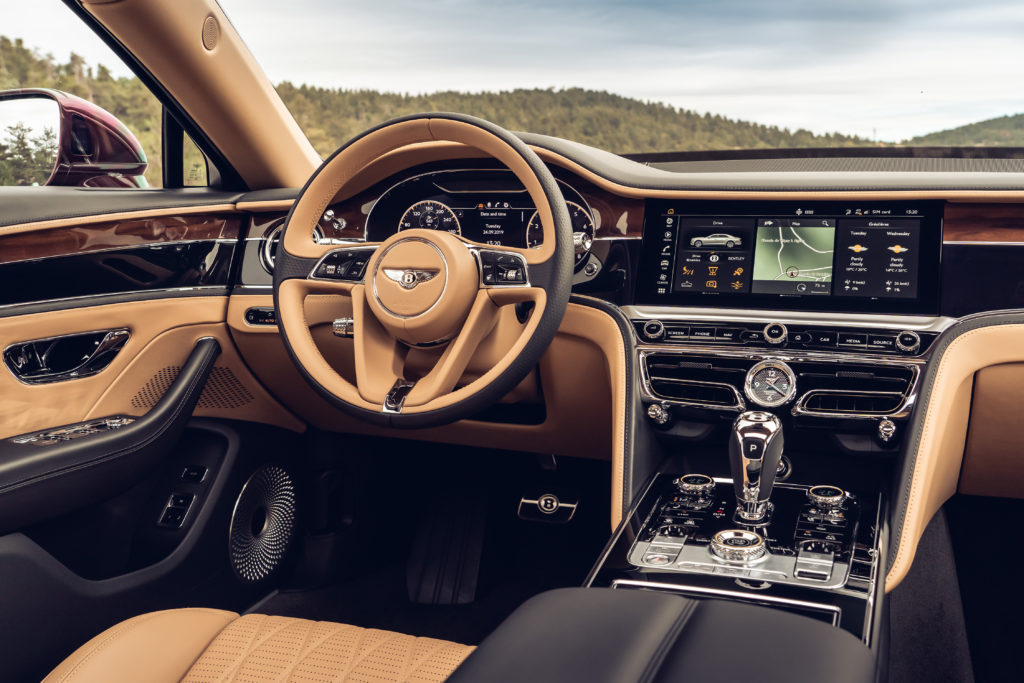
A vehicle with a substantial, documented Mulliner commission sits at the other end. Here, the specific factory-original configuration is itself the value driver, and modification directly competes with the documented originality a buyer or appraiser is actually paying for.
Hybrid-Heritage: The Category Most Owners Misjudge
This is the genuinely counterintuitive part. A vehicle with meaningful factory customization that falls short of a full Mulliner commission, distinctive but not extensively documented options, a notable color or trim choice, isn’t automatically safer to modify than a Mulliner vehicle, and it isn’t as safe as a Performance-Pure model either. It occupies an ambiguous middle where the existing customization has some value to a specific buyer pool, but that value is less clearly documented than a full Mulliner commission would provide, meaning modification here can quietly erode value that was never as clearly established as either end of the spectrum in the first place. Owners often assume “not full Mulliner” means “safe to modify,” which misreads the actual risk.
A Worked Example Applying the Spectrum
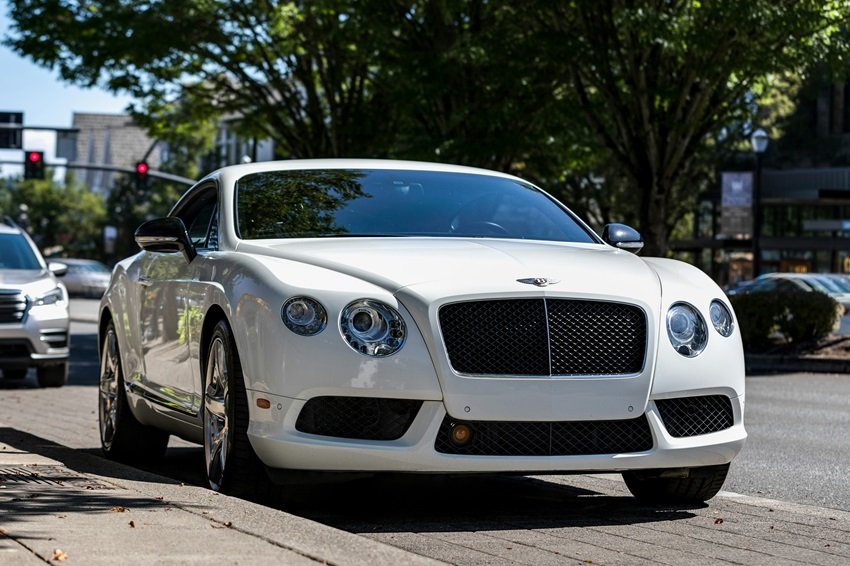
Consider three Continental GT variants: a standard Speed configuration with factory options only, sits Performance-Pure. The same Speed with a distinctive factory color and upgraded interior trim, but no documented Mulliner commission, sits Hybrid-Heritage. A Continental GT Mulliner with documented bespoke stitching, wood veneer, and a client-specified color match, sits Mulliner-Anchored. Modification decisions that would be routine on the first car deserve real scrutiny on the second, and should generally be avoided entirely on the third.
How to Self-Assess Where Your Vehicle Falls
Check the original build sheet or window sticker for factory options beyond standard trim levels, and separately confirm whether any documentation references a formal Mulliner commission specifically, not just an unusual color or optional package. A distinctive vehicle without formal Mulliner documentation is Hybrid-Heritage. One with documented commission paperwork is Mulliner-Anchored.
Why Bentley’s Motorsport Heritage Matters to This Framework
Bentley’s real racing history is what makes the Performance-Pure category legitimate within the brand’s own identity, a modification that would feel out of place on a marque without that heritage fits naturally here, provided the specific vehicle doesn’t cross into Hybrid-Heritage or Mulliner-Anchored territory instead.
What Happens When a Vehicle Moves Between Categories Over Time
A Performance-Pure vehicle that later receives significant customization work shifts toward Hybrid-Heritage, changing its modification risk profile going forward even though its original configuration was low-risk. This is worth reassessing periodically rather than assuming a vehicle’s category is fixed at the point of purchase, particularly for an owner who’s added meaningful customization since acquiring it.
Bentley Vehicle Appraisal: What Mulliner Provenance Actually Requires
Appraising a Mulliner-Anchored vehicle requires documentation beyond general condition and market factors: specifically, verification of what the original commission included and whether current configuration still matches it.
Bentley Performance Tuning: What to Confirm Before Modifying
Before any performance modification, placing the specific vehicle on the spectrum, Performance-Pure, Hybrid-Heritage, or Mulliner-Anchored, clarifies which risk profile actually applies, rather than defaulting to generic “Bentley” advice.
Luxury Bentley Services Miami: Matching the Provider to the Question
A provider who asks where a vehicle falls on this spectrum before recommending an approach understands Bentley’s actual positioning. One applying uniform advice regardless of category is missing the distinction that matters most here.
Bentley Modification Spectrum at a Glance
- Performance-Pure vehicles carry the lowest modification risk, driven by motorsport-adjacent value rather than originality
- Mulliner-Anchored vehicles carry the highest documentation sensitivity, since factory-original configuration is the value itself
- Hybrid-Heritage vehicles are the most commonly misjudged category, carrying real risk despite lacking full Mulliner documentation
- A vehicle’s category can shift over time as customization is added, warranting periodic reassessment
- Checking build sheets and commission documentation determines which category actually applies
Frequently Asked Questions
1. How do I know if my Bentley is Hybrid-Heritage rather than Mulliner-Anchored?
Check whether any documentation references a formal Mulliner commission specifically. Distinctive factory options without that formal documentation place a vehicle in Hybrid-Heritage, not Mulliner-Anchored.
2. Why is Hybrid-Heritage riskier to modify than owners typically assume?
Because its existing customization has real but less clearly documented value than a full Mulliner commission, meaning modification can erode value that was never as firmly established as either end of the spectrum.
3. Can a vehicle’s category change after purchase?
Yes. Significant customization added after acquiring a Performance-Pure vehicle can shift it toward Hybrid-Heritage, changing its modification risk profile going forward.
4. What does appraising a Mulliner-Anchored Bentley actually require?
Verification of what the original commission specifically included and whether the vehicle’s current configuration still matches it.
Modification Decisions Matched to Where Your Vehicle Actually Sits
Bentley’s performance-tuning calculus depends on where a specific vehicle falls on the Performance-Pure to Mulliner-Anchored spectrum, not a single rule for the marque overall. Mechanic and repair coordination with genuine understanding of this distinction, informed by proper appraisal of Mulliner documentation when relevant, protects value regardless of which category a specific vehicle falls into.
Considering a Bentley performance upgrade? If you are evaluating a Bentley modification or need help coordinating the specialists involved, contact Andromeda Crown to discuss the vehicle, your objectives, and the appropriate next steps.
We hope you enjoyed this post! For exclusive luxury car care insights, subscribe. Let us know your suggestions—they help us craft content just for you.