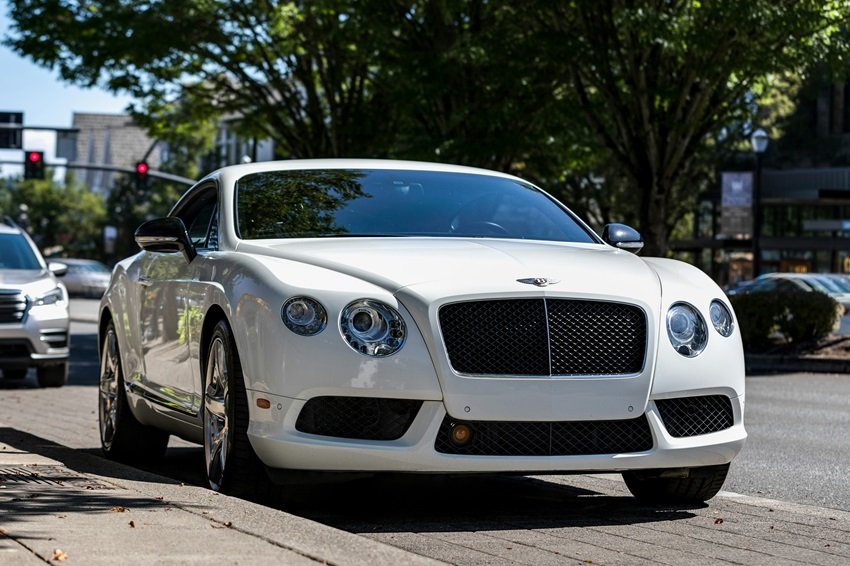
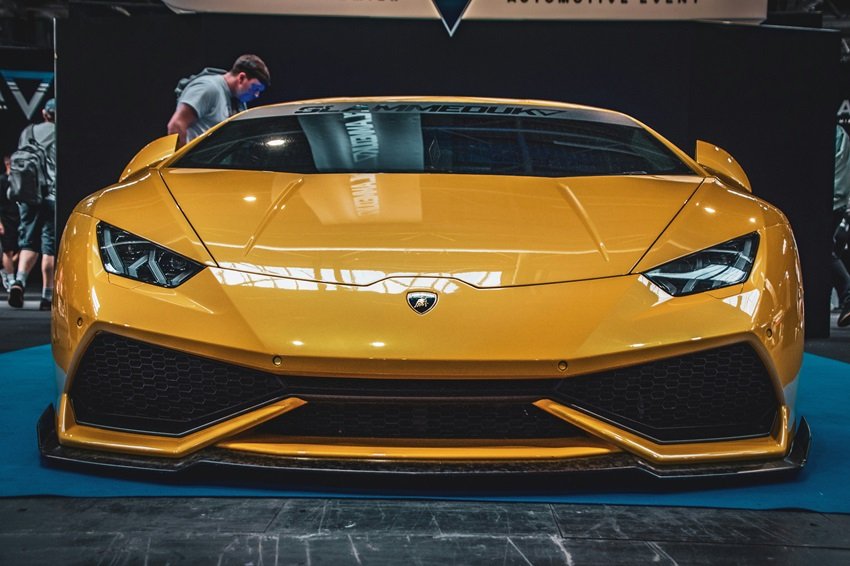
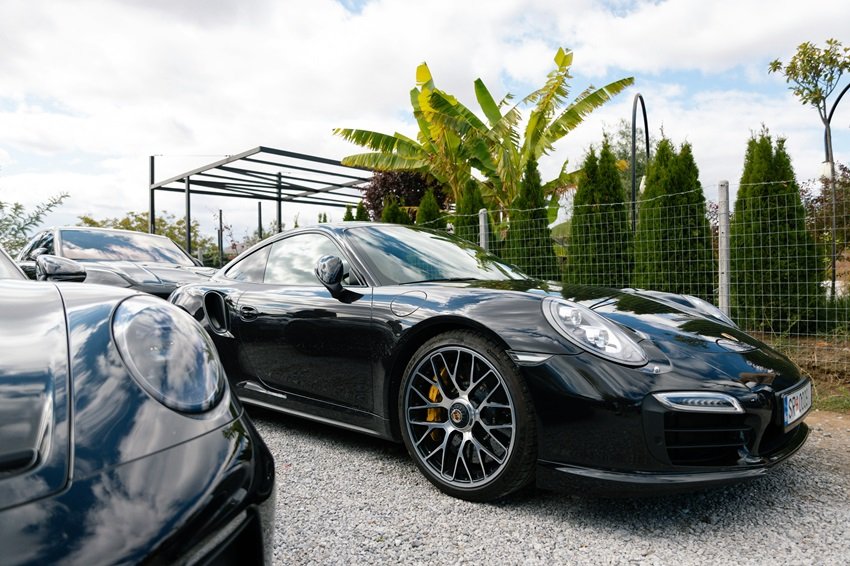
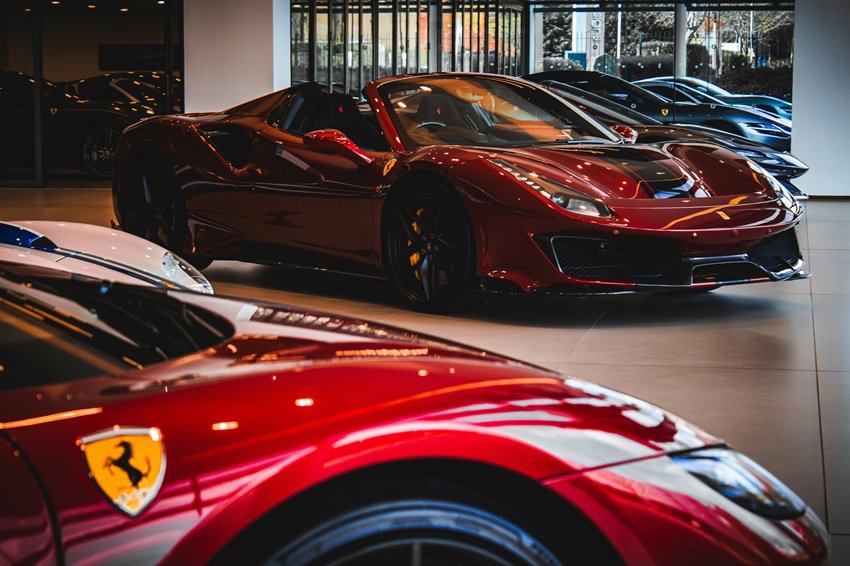
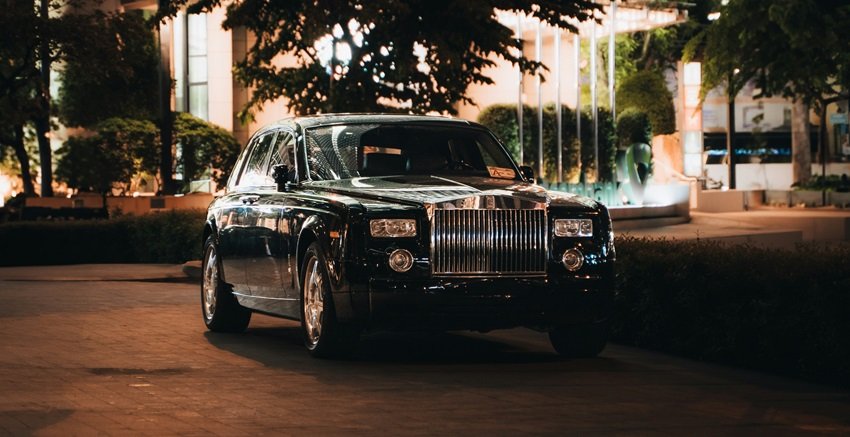
Along Ocean Drive and through the private garages of Coral Gables, a Ferrari, McLaren, or vintage Porsche represents far more than transportation. Every drive, every storage decision, and every unexpected weather event carries financial consequences that standard automobile policies were never designed to address.
Selecting the right exotic car insurance requires more than comparing premiums. Policy language determines whether agreed value protection, OEM replacement parts, diminished value exposure, storage requirements, mileage limitations, and specialized repair networks preserve an owner’s investment or leave costly coverage gaps after a claim. South Florida owners who overlook these distinctions often discover the limitations only after damage has already occurred.
Meaningful comparison begins with understanding how specialty coverage differs from conventional auto insurance. Knowing when agreed value outperforms actual cash value, why working with auto insurance specialists matters for high-performance vehicles, and how Miami’s specific risk factors should shape policy selection allows collectors to evaluate options with confidence before placing a valuable vehicle at risk.
What Is Exotic Car Insurance?
Exotic car insurance is specialized coverage built for high-value, limited-production, and collectible vehicles whose market value and repair requirements differ significantly from ordinary passenger cars. It exists because standard auto policies typically pay actual cash value, a depreciated figure, rather than the agreed, appraised value a genuinely rare or appreciating vehicle actually commands, and because these vehicles often require original manufacturer parts and specialty repair networks that standard insurers don’t maintain relationships with. South Florida owners benefit most when coverage accounts for both a vehicle’s rarity and the region’s specific exposure to severe weather and coastal risk.
Key Takeaways
Exotic car insurance differs from standard auto coverage primarily through agreed value protection, specialty repair network access, and policy terms built around collector ownership rather than daily commuting. The biggest financial consideration is that standard actual cash value coverage pays out a depreciated figure that rarely reflects what a rare or appreciating vehicle is actually worth, which makes agreed value coverage close to essential for genuinely valuable vehicles. Experienced owners match their coverage priorities to how the vehicle is actually used, garage-kept, regularly driven, or track-driven, while common assumptions treat all exotic car policies as interchangeable regardless of use pattern. Underinsuring a vehicle to reduce premium cost is the mistake most likely to leave an owner exposed to a significant financial loss precisely when coverage matters most.
Fundamentals: What Actually Separates This Coverage Category
Before comparing specific providers, it helps to understand the core distinctions that define genuine exotic car insurance.
Agreed value coverage locks in a payout amount before a loss occurs. Rather than calculating a depreciated actual cash value after a total loss, agreed value coverage pays the previously agreed figure, which protects against the gap between a vehicle’s real market value and what a standard depreciation formula would produce.
Protect your portfolio against market depreciation and valuation gaps through structured automotive asset management.
Specialty repair networks protect both value and warranty standing. Access to shops equipped for original manufacturer parts and factory-specification repair work helps preserve a vehicle’s condition, resale value, and in some cases warranty compliance, in ways a general auto body shop referral often cannot.
Ensure your vehicle is repaired exclusively by factory-certified specialists with our auto body shop selection and management.
Modification disclosure directly affects claim outcomes. Aftermarket wheels, exhaust systems, or performance upgrades typically aren’t covered automatically, insurers generally require these to be disclosed and added to the policy explicitly, or a claim involving that component can be denied.
Safeguard custom upgrades and maintain full documentation for insurance compliance through our luxury car customization & auto restoration management services.
Usage pattern, not just vehicle value, should drive coverage priorities. A vehicle driven occasionally on public roads has different risk exposure than one used for track days or one kept almost exclusively in storage, and policy terms should reflect that actual usage rather than a generic assumption.
Keep your collection secure and maintained between drives with dedicated, climate-controlled onsite car storage.
Matching Coverage Priorities to How You Actually Use the Vehicle
A vehicle kept primarily in storage and driven only occasionally benefits most from confirming the policy explicitly covers storage conditions and doesn’t impose mileage restrictions that penalize infrequent use, since some policies price around expected annual mileage. A vehicle driven regularly on public roads needs standard comprehensive, collision, and liability coverage layered with agreed value protection, and should carry uninsured and underinsured motorist coverage given Miami’s traffic density. A vehicle used for track days requires explicit confirmation of track use coverage, since most standard exotic car policies exclude racing or competitive event damage entirely, and a separate motorsports policy or endorsement is often necessary for owners who track their vehicles regularly. Matching your actual use pattern to policy terms, rather than assuming a single exotic car policy covers every scenario equally, is what prevents a coverage gap from surfacing at the worst possible moment.
What Actually Affects Exotic Car Insurance Cost and Coverage
1. Vehicle Value and Rarity Drive Both Premium and Repair Complexity
High-value vehicles are inherently more expensive to insure, and rarity compounds this cost since fewer shops and technicians are equipped to service them, which pushes both parts and labor costs upward. This is precisely why agreed value coverage and specialty repair network access matter more here than for a mainstream vehicle.
2. Modifications Require Explicit Disclosure, Not Assumption of Coverage
Custom wheels, exhaust systems, or performance tuning typically fall outside standard coverage unless specifically disclosed and added to the policy. Owners who modify a vehicle after securing coverage should update their policy immediately rather than assuming the existing policy automatically extends to the new components.
3. Miami’s Specific Risk Factors Should Directly Shape Policy Selection
Miami’s high-income, high-visibility environment increases theft exposure for exotic vehicles specifically, which affects premium calculation and makes secure storage documentation valuable for both risk reduction and, in some cases, premium discounts. The region’s hurricane exposure makes comprehensive weather-related coverage, flooding, wind, hail, essential rather than optional. Dense traffic and a meaningful population of underinsured drivers make uninsured and underinsured motorist coverage particularly important in this market.
4. Driving Habits and Track Use Affect Both Premium and Claim Eligibility
Aggressive driving patterns or unreported track use can affect premiums and, in some cases, claim eligibility if a loss occurs during an excluded activity. Confirm directly with your insurer whether track day use requires a separate endorsement or policy, since assuming standard coverage extends to competitive or track driving is a common and costly misunderstanding.
What to Verify Before Choosing a Provider
Confirm the insurer specifically offers agreed value coverage rather than standard actual cash value, and ask how the agreed value figure is established and how often it can be updated as the vehicle’s market value changes. Verify access to a specialty repair network capable of original manufacturer parts and factory-specification work, rather than a general referral list. Ask directly about claims handling reputation for high-value vehicles specifically, since responsiveness and expertise matter more here than with routine auto claims. Clarify storage coverage terms if the vehicle spends significant time in a garage or storage facility, and confirm track day coverage explicitly if that’s part of how you use the vehicle.
Common Mistakes to Avoid
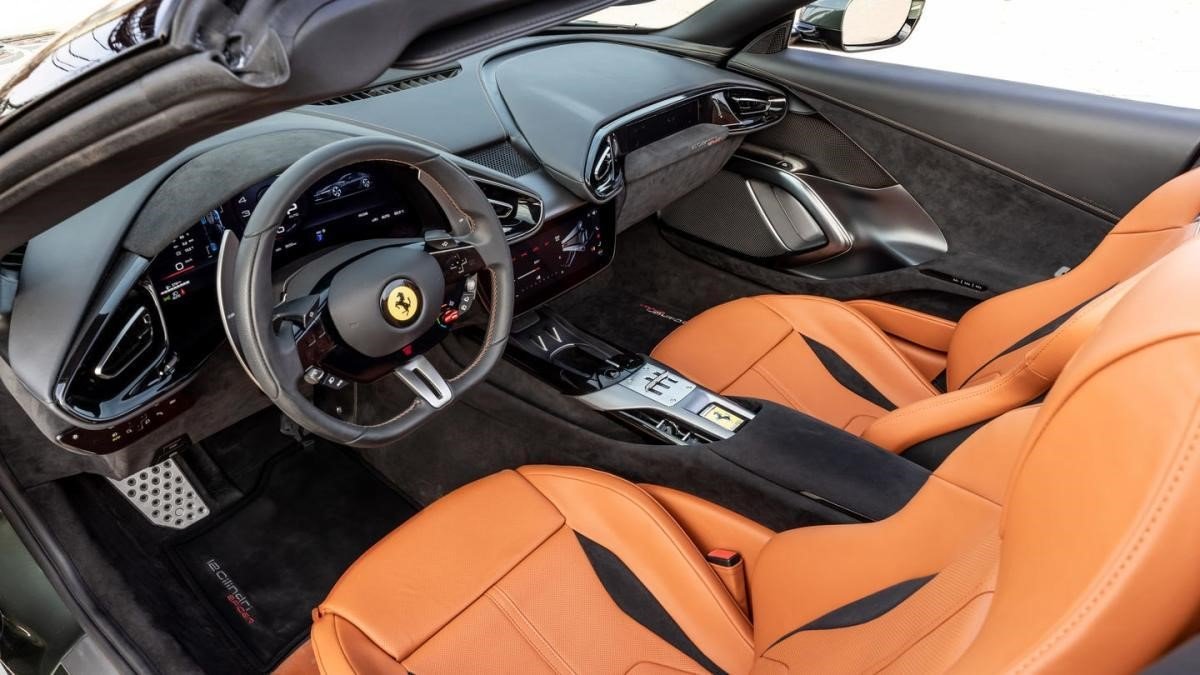
Underinsuring a vehicle to reduce premium cost is the most common and costly mistake, since it leaves an owner exposed to a significant gap between coverage and actual value if a total loss occurs. Failing to update a policy after modifications means aftermarket upgrades may not be covered in a claim, even if they were installed in good faith. Assuming standard coverage extends to track or competitive driving, when most policies explicitly exclude it, can result in a denied claim after an otherwise covered-seeming incident. Neglecting to review and update policy details periodically, as a vehicle appreciates, gets modified, or usage patterns change, leaves coverage misaligned with the vehicle’s actual current situation.
Protect custom finishes and delicate paint protection films with specialized care from our luxury car detailing team brought directly to your garage.
Exotic Car Insurance At a Glance
Best suited for: Owners of high-value, rare, or appreciating vehicles who need coverage reflecting true market value rather than standard depreciation, and anyone whose usage pattern, storage, regular driving, or track use, requires specific policy terms a standard auto policy doesn’t address.
Key benefits: Agreed value protection that closes the gap between actual cash value and true market worth, access to specialty repair networks that preserve both condition and resale value, and coverage terms that can be matched to actual usage rather than generic assumptions.
Important considerations: Whether the policy offers genuine agreed value coverage and how that figure gets established and updated, whether modifications are disclosed and explicitly covered, and whether track day or competitive use requires a separate endorsement.
Common mistakes: Underinsuring to save on premium cost, failing to disclose modifications after the fact, and assuming standard coverage extends to track or competitive driving without confirming this directly.
Professional recommendation: Prioritize agreed value coverage and specialty repair network access over premium cost alone, and match your policy’s specific terms, storage provisions, mileage terms, track coverage, to how you actually use the vehicle rather than assuming a standard exotic car policy covers every scenario.
Navigating Coverage: Clear Answers to Crucial Questions Regarding Exotic Car Insurance
1. How is agreed value insurance different from standard actual cash value coverage?
Agreed value insurance pays a predetermined amount established before a loss occurs, while actual cash value coverage calculates a payout based on depreciation at the time of loss, which can result in a significantly lower payout for a rare or appreciating vehicle. For most exotic and collector vehicles, agreed value coverage is worth the difference in premium since it protects against this depreciation gap entirely.
2. Is exotic car insurance mandatory in Miami?
Yes. Florida law requires every registered vehicle, including exotic cars, to carry the minimum insurance required by the state. Most owners of high-value vehicles choose additional specialty coverage because standard policies may not provide adequate protection for expensive repairs, agreed value, or collectible vehicle ownership.
3. Does my policy cover exotic car modifications?
Not automatically. Most standard exotic car insurance policies exclude damage occurring during racing or competitive events, so owners who track their vehicle regularly typically need a separate track day endorsement or a dedicated motorsports policy. Confirm this directly with your insurer before assuming standard coverage extends to track use..
4. Do I need to update my insurance after modifying my exotic car?
Yes. Aftermarket modifications like custom wheels, exhaust systems, or performance upgrades typically aren’t covered automatically, and most insurers require these to be disclosed and added to the policy explicitly. Failing to update your policy after a modification can result in a denied claim for that specific component if a loss occurs.
5. How is agreed value different from actual cash value insurance?
Agreed value insurance pays the predetermined value of the vehicle if it is declared a total loss, provided the policy terms are met. Actual cash value coverage considers depreciation, which can result in a significantly lower payout for rare, collectible, or appreciating vehicles.
6. How much does exotic car insurance cost in Miami?
Exotic car insurance costs in Miami depend on factors such as the vehicle’s value, driving history, annual mileage, storage conditions, and coverage selections. High-performance and collectible vehicles typically require customized policies, making personalized quotes more accurate than average price estimates.
7. Do I need agreed value coverage for an exotic car?
Agreed value coverage is recommended for many exotic and collector vehicles because it establishes the insured value before a loss occurs. This type of coverage helps protect owners from depreciation and provides greater confidence during the claims process.
8. Does exotic car insurance cover vehicles kept in storage?
Many specialty policies provide coverage for exotic vehicles stored in secure private garages or climate-controlled facilities. Coverage terms vary by insurer, and storage location, security features, and vehicle usage may affect eligibility and premiums.
9. Can I insure a classic or collector car under an exotic car insurance policy?
Many specialty insurance providers offer policies that insure both exotic and classic vehicles. Eligibility depends on factors such as the vehicle’s age, market value, intended use, condition, and ownership history.
10. How do I choose the best exotic car insurance provider in South Florida?
The best exotic car insurance provider offers agreed value coverage, access to specialty repair facilities, knowledgeable claims handling, flexible mileage options, and experience with high-value automobiles. South Florida owners should also compare hurricane-related coverage, storage requirements, and the insurer’s experience with rare and collector vehicles.
Safeguarding Performance: Final Insights on Selecting Your Exotic Car Insurance Policy
Exotic car insurance is a delicate balancing act of measuring the value of the vehicle, risk, and exclusivity. In the right coverage, your investment is secured and you can luxuriate in the horsepower and luxuries of your car without a speck of worry. When you are the owner of a Ferrari, Lamborghini, or other exotic sports car, it is sensible to learn the ins and outs of exotic car insurance so that you can be assured. Luxury should be simple. Join a plan here to access a seamless car buying and selling experience. Need guidance? Contact us for support.
Stay ahead of the curve—Subscribe to our newsletter now.